Heavy Metals and Diverticulosis

album-art
00:00

Heavy Metals and Diverticulosis

How Toxic Burden May Weaken the Gut Wall

Diverticulosis is one of the most common digestive conditions seen in clinical practice, especially in individuals over the age of 50.

It is often considered a simple “mechanical” issue—weak spots in the colon wall forming small pouches (diverticula).

But when you look deeper, especially through the lens of functional and environmental medicine, a more complex picture begins to emerge.

In my experience, diverticulosis is not just about fiber intake or aging. It is often linked to chronic low-grade inflammation, gut wall integrity, and systemic toxic burden—including exposure to heavy metals.

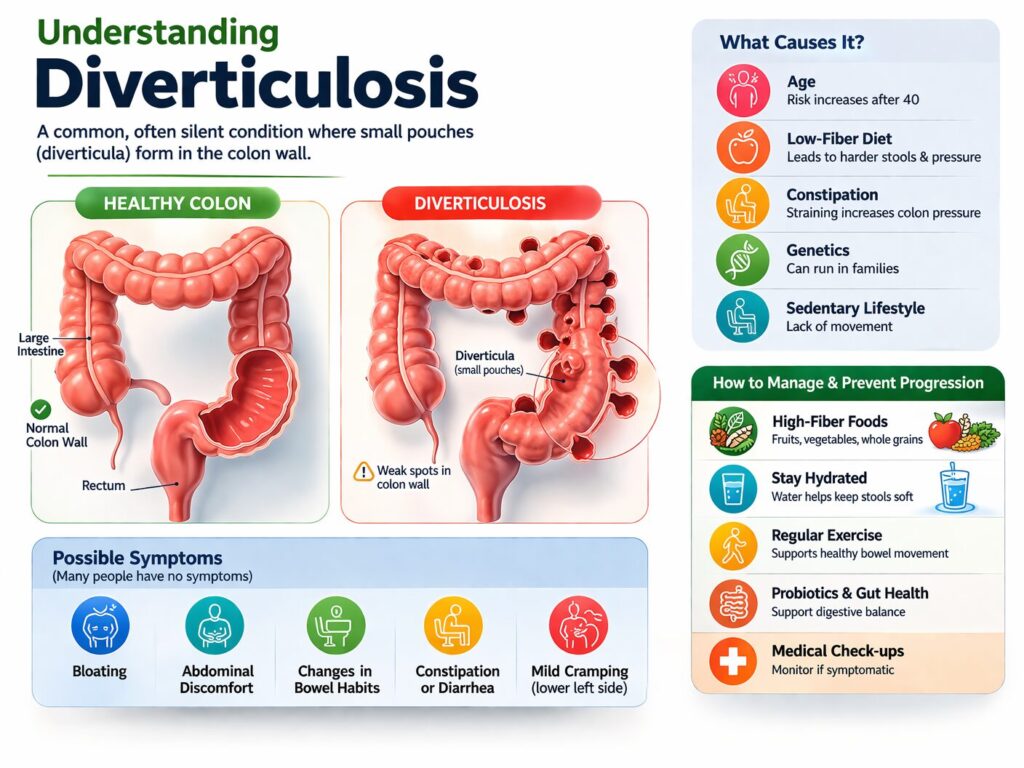
What Is Diverticulosis?

Diverticulosis refers to the formation of small pouches (diverticula) in the wall of the large intestine, particularly in the sigmoid colon.

These pouches develop at weak points in the intestinal wall and may remain asymptomatic—or progress to:

  • diverticulitis (inflammation/infection)
  • chronic abdominal discomfort
  • altered bowel habits

While traditionally linked to:

  • low fiber diets
  • increased pressure in the colon

This explanation alone does not fully account for why the intestinal wall becomes weakened in the first place.
A Deeper Perspective: The Gut Wall Under Stress

To understand how diverticulosis develops, we need to consider:

👉 the structural integrity of the colon wall
👉 the inflammatory environment of the gut
👉 the health of the microbiome

Heavy metals can influence all three.

The Heavy Metal–Gut Connection

Heavy metals such as mercury, lead, cadmium, and arsenic are not inert. They actively interact with biological systems.

Research shows that heavy metals:

  • disrupt gut microbiota
  • damage the intestinal barrier
  • increase inflammation
  • promote oxidative stress

Let’s break down how these mechanisms may contribute specifically to diverticulosis.

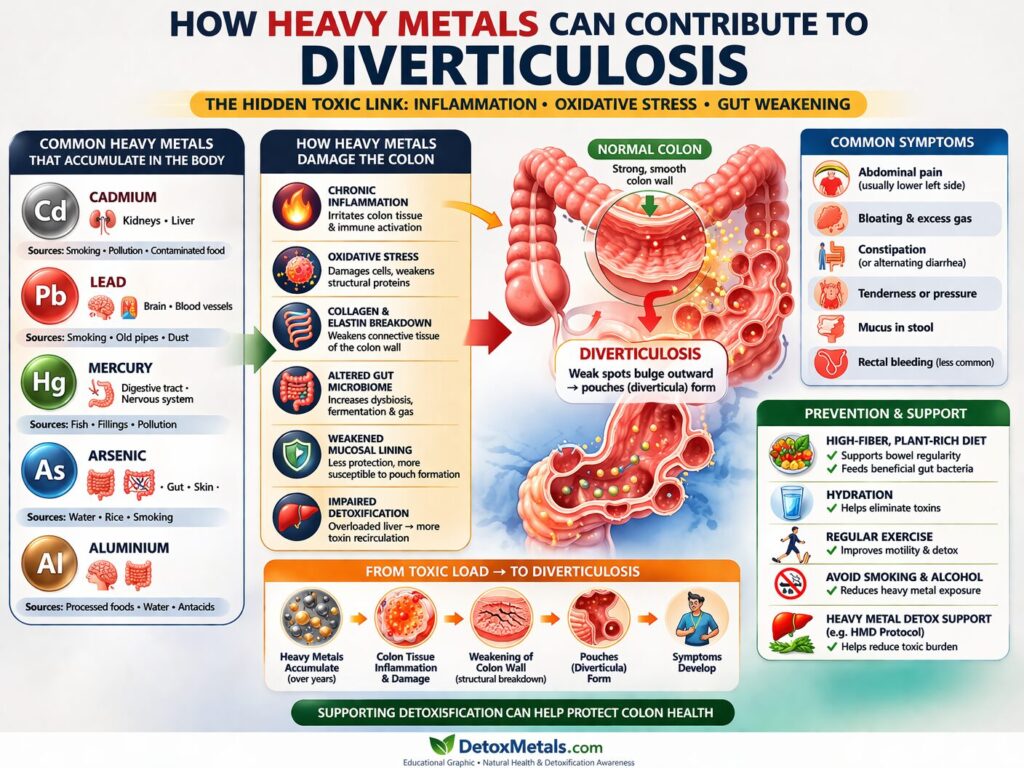
Key Mechanisms: How Heavy Metals May Contribute to Diverticulosis

  1. Disruption of the Gut Microbiome (Dysbiosis)

The gut microbiome plays a central role in maintaining intestinal integrity.

Heavy metals can:

  • alter bacterial diversity
  • reduce beneficial species
  • promote pathogenic organisms

This imbalance (dysbiosis) has been shown to:

  • impair digestion
  • increase inflammation
  • weaken gut structure

👉 Over time, this creates a less resilient intestinal environment.

  1. Damage to the Intestinal Barrier (“Leaky Gut”)

Heavy metals can directly damage the epithelial cells lining the intestine.

They:

  • disrupt tight junctions
  • increase intestinal permeability
  • allow toxins and bacteria into circulation

This leads to:

  • chronic immune activation
  • local inflammation in the colon
  • weakening of tissue integrity

👉 A weakened intestinal wall is more prone to forming diverticula.

  1. Chronic Inflammation of the Colon

Heavy metals promote the production of inflammatory cytokines and oxidative compounds.

Studies show that heavy metal exposure is associated with:

  • increased intestinal inflammation
  • tissue injury
  • immune activation

Chronic inflammation:

  • degrades connective tissue
  • weakens structural proteins
  • increases vulnerability to outpouching
  1. Oxidative Stress and Collagen Breakdown

Heavy metals generate reactive oxygen species (ROS), leading to oxidative stress.

This has several effects:

  • damages intestinal cells
  • impairs collagen synthesis
  • weakens the extracellular matrix

The colon wall depends on strong connective tissue.
When collagen integrity declines:

👉 structural weakness increases
👉 diverticula formation becomes more likely

  1. Impaired Smooth Muscle Function

The colon relies on coordinated muscular contractions (peristalsis).

Heavy metals can:

  • interfere with enzyme systems
  • disrupt cellular signaling
  • affect neuromuscular control

This may contribute to:

  • abnormal pressure within the colon
  • irregular motility
  • localized strain on weak points
  1. Altered Immune–Microbiome Interaction

The gut is not just digestive—it is an immune organ.

Heavy metals disturb the balance between:

  • microbiota
  • immune system
  • intestinal barrier

This leads to:

  • persistent low-grade inflammation
  • impaired healing
  • ongoing tissue stress

How Heavy Metals Cause Diverticulosis

Putting It Together

Diverticulosis may not be caused by a single factor.

Instead, it often reflects a combination of stresses:

  • mechanical pressure
  • microbiome imbalance
  • inflammation
  • tissue weakness

Heavy metals can influence all of these simultaneously.

Symptoms That May Suggest a Deeper Component

In individuals with diverticulosis and toxic burden, you may also see:

  • bloating
  • irregular bowel habits
  • abdominal discomfort
  • fatigue
  • sensitivity to foods

These reflect a broader systemic imbalance.

Why This Is Often Overlooked

Most conventional approaches focus on:

However:

👉 toxic burden is rarely assessed
👉 microbiome disruption is often ignored
👉 root causes remain unaddressed

Supporting Gut Health and Reducing Toxic Load

The body has natural detox pathways:

  • liver
  • gut
  • kidneys
  • lymphatic system

However, heavy metal exposure can overwhelm these systems.

Supporting detoxification may help:

  • reduce inflammation
  • improve microbiome balance
  • support tissue repair

A Clinical Perspective: The HMD Protocol

In clinical practice, a structured approach is essential.

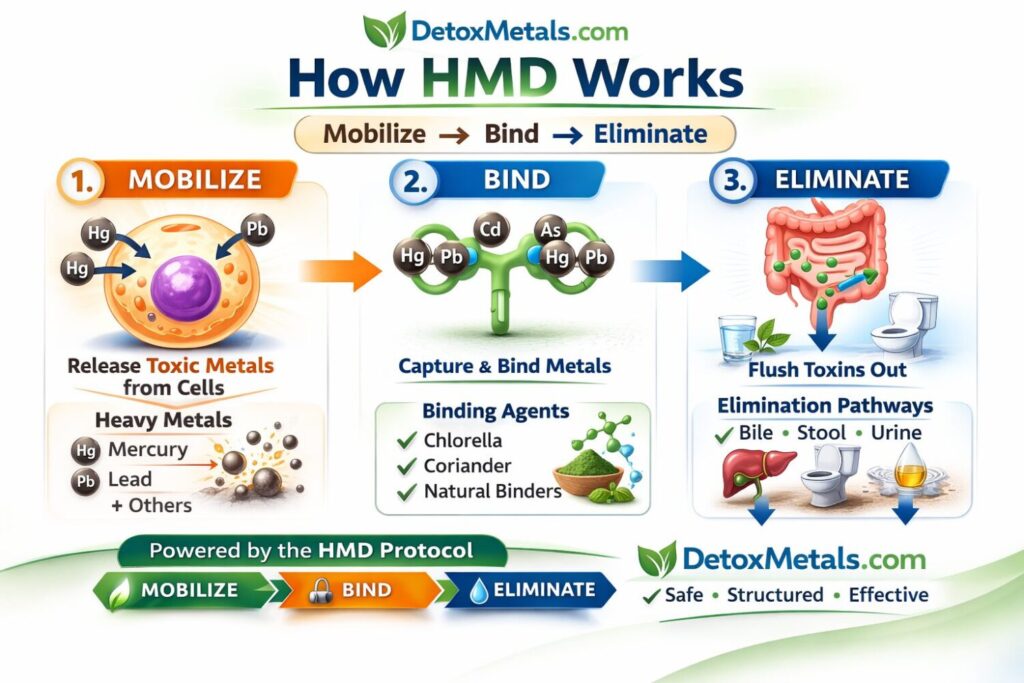
The HMD (Heavy Metal Detox) protocol developed by Dr. George J. Georgiou is designed to support detoxification in a controlled and physiological way.

Rather than forcing detox, it focuses on:

  1. Mobilization

Gently supporting the release of stored toxins

  1. Binding

Helping prevent reabsorption in the gut

  1. Elimination

Supporting natural detox pathways

This approach aims to:

  • reduce oxidative stress
  • support gut integrity
  • assist the body’s natural healing processes

In conditions such as diverticulosis—where the gut wall is already vulnerable—a gentle and structured approach is particularly important.
Final Thoughts

Diverticulosis is often seen as a simple structural condition.

But when we look deeper, it reflects:

  • chronic inflammation
  • gut imbalance
  • tissue weakness

Heavy metals may play a contributing role through:

  • microbiome disruption
  • intestinal barrier damage
  • oxidative stress
  • immune activation

Addressing these underlying factors does not replace conventional care—but it may provide a missing piece in supporting long-term gut health.

References (Scientific Literature)
  • Heavy metals and gut microbiota disruption
  • Heavy metals and intestinal inflammation
  • Heavy metals and intestinal barrier dysfunction
  • Heavy metals and oxidative stress mechanisms
  • Heavy metals and cellular/protein interference
  • Microbiome–immune interactions in heavy metal toxicity

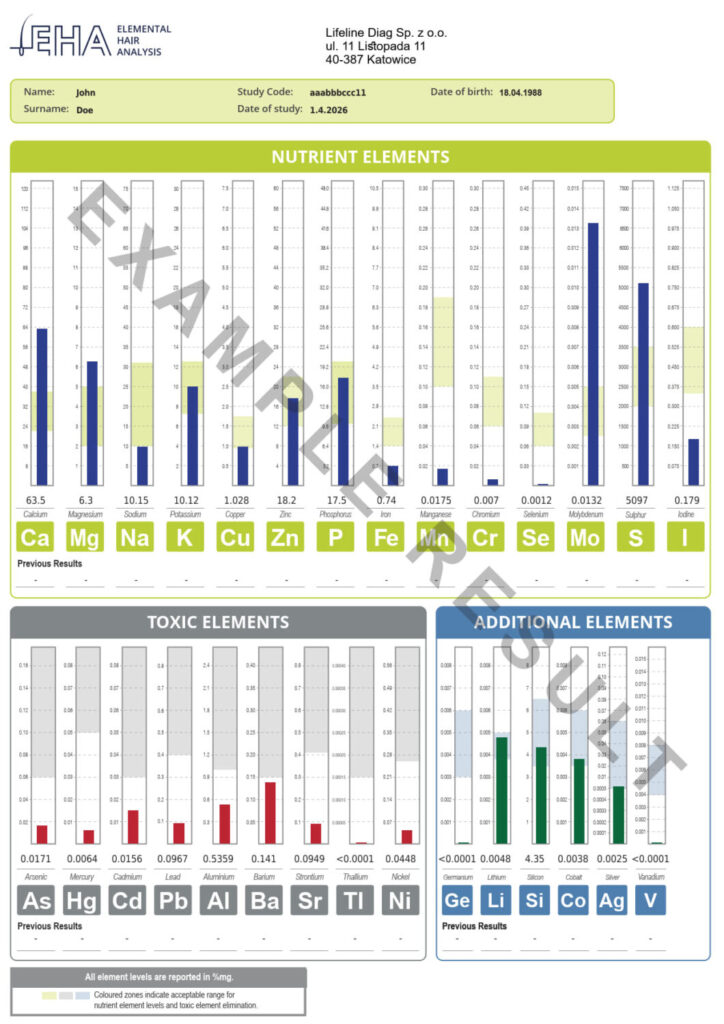
STEP 1: Test, Don't Guess.

Before you detox, test first. Discover your toxic metal burden and mineral balance with the HMD® Hair Mineral Analysis & Toxic Metals Test.

Hair Analysis Sample

(3 customer reviews)

What Does the Tissue Hair Mineral Analysis measure?

125.00 €

    Processed by a certified laboratory using ICP-OES Spectrometry                                           

Already have your lab results? Skip to Step 2 and choose your clinical HMD® Protocol below.

STEP 2: Choose Your Detox Wellness Plan

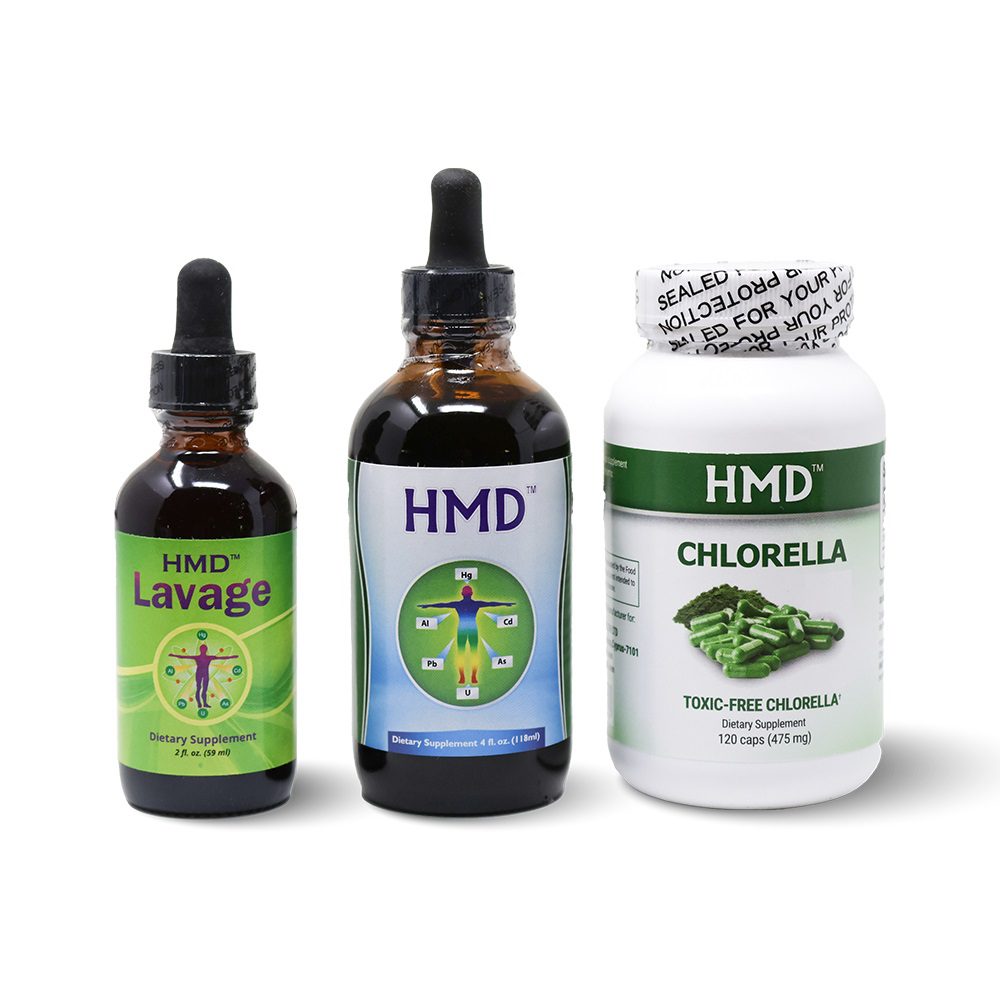
HMD® Packs work on the principle of the Triple Action System – Mobilize – Bind – Eliminate.

A good starting point to detoxing

$142  $114

(Save 30%)

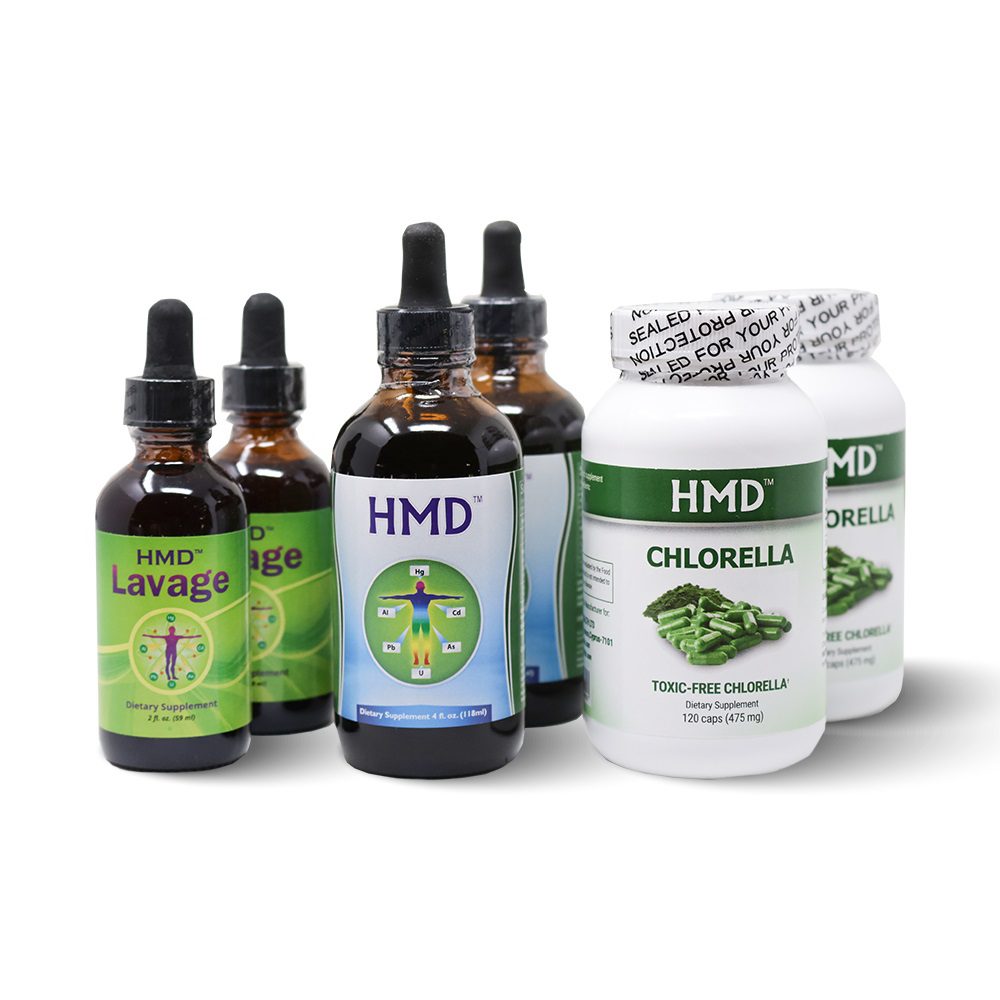
More prolonged to remove deeper toxins

$285  $213.75

(Save 35%)

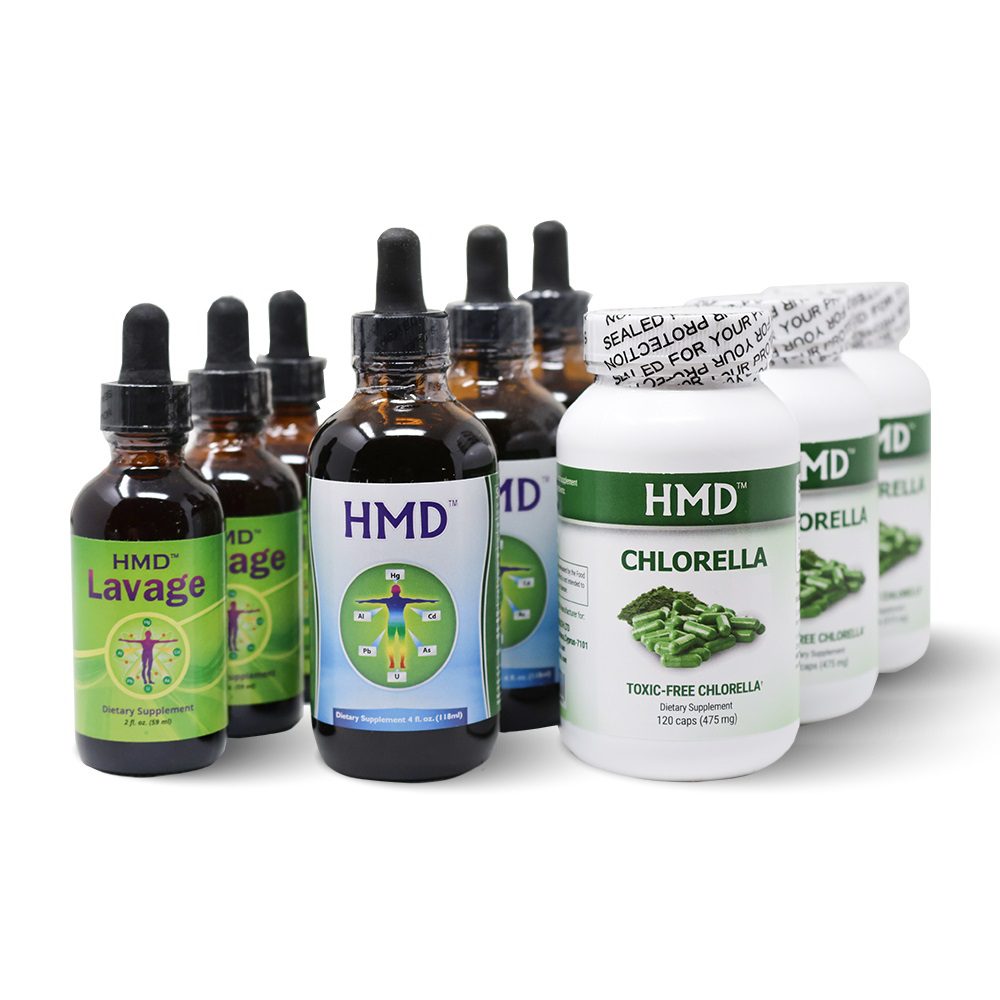
This 90-Day detox will help to eliminate a considerable load from the body.

$427  $256.20

(Save 45%)

Many people continue for 60 or 90 days depending on symptom history and exposure levels.

Important Links

Picture of Dr George

Dr George

Dr. George J. Georgiou, Ph.D., N.D., D.Sc (AM), M.Sc., B.Sc, is a world-renowned expert in the field of holistic medicine and detoxification. As the inventor of the highly acclaimed Dr. Georgiou's Heavy Metal Detox Protocol, and the main product, HMD™ (Heavy Metal Detox), he has revolutionized the approach to natural heavy metal detoxification. With over 35 years of experience in natural medicine, he has authored 23 books, including the comprehensive guide 'Curing the Incurable with Holistic Medicine,' which offers invaluable insights and over 700 scientific references. Dr. Georgiou's groundbreaking work is sought after by individuals and practitioners worldwide through his Da Vinci Institute of Holistic Medicine and Da Vinci Holistic Health Center based in Larnaca, Cyprus.
Share the Post:

Join the Discussion

Your email address will not be published.

Related Posts

When the Parrot Goes Quiet
HEAVY METALS & LIFESTYLE
Dr George

When the Parrot Goes Quiet

A Conversation on Inner Detox Today I want to speak about a different kind of healing. Many people know Dr. Georgiou for his work in the field of physical detox

Read More »
Diverticulosis and heavy metals
HEAVY METALS AND DISEASES
Dr George

Heavy Metals and Diverticulosis

Heavy Metals and Diverticulosis How Toxic Burden May Weaken the Gut Wall Diverticulosis is one of the most common digestive conditions seen in clinical practice, especially in individuals over the age of

Read More »
Immune System and Heavy Metals
HEAVY METALS & LIFESTYLE
Dr George

Why Your Autoimmune Symptoms Aren’t Improving

Why Your Autoimmune Symptoms Aren’t Improving Even When You’re Doing Everything Right How Heavy Metals May Trigger Autoimmune Disease Autoimmune diseases are among the fastest-growing chronic conditions worldwide. From Hashimoto’s

Read More »
Shopping cart0
There are no products in the cart!
Continue shopping
0