Is Dark Chocolate Still Healthy? The Lead and Cadmium Question
Dark chocolate has enjoyed a long run as the “healthy chocolate.” It is richer in cacao, usually lower in sugar than milk chocolate, and contains plant compounds called flavanols and polyphenols, which have been studied for their effects on blood vessels, oxidative stress, and cardiovascular health.
For many health-conscious people, a square or two of dark chocolate feels like a sensible treat rather than an indulgence.
But there is an uncomfortable side to this story. Dark chocolate and cacao products can contain measurable amounts of cadmium and lead, two heavy metals that are not nutrients and have no beneficial role in the body. Consumer Reports tested 28 dark chocolate bars and reported that lead and cadmium were detected in all of them.
This does not mean we need to panic or throw every chocolate bar in the bin. Food conversations easily become extreme, and that rarely helps people make better choices. The sensible message is more balanced: dark chocolate can still be enjoyed, but it should not be treated as a daily health supplement, especially when it is very high in cacao.
Why Dark Chocolate Became a Health Food
The reason dark chocolate gained its reputation for health benefits is mainly due to cocoa solids. Cocoa contains flavanols, including epicatechin and catechin, which have been studied for possible benefits on vascular function and blood pressure.
Some research suggests that cocoa flavanols may produce modest improvements in cardiovascular markers, although chocolate itself is not the same as a purified cocoa flavanol extract.
The COSMOS trial, a large randomised trial of cocoa extract supplementation, found that cocoa extract did not significantly reduce total cardiovascular events overall, although it did show a reduction in cardiovascular death in the main analysis.
This is interesting science, but it does not mean that eating more dark chocolate every day is automatically a heart-health strategy.
This is where the confusion begins. The beneficial compounds in chocolate are mostly found in the cacao-rich portion. But higher cacao content may also mean higher exposure to certain contaminants, especially cadmium, depending on where and how the cacao was grown and processed. So the “healthier” part of chocolate is also the part that raises the question of heavy metals.
What Recent Testing Has Shown
Consumer Reports reported that cadmium and lead were detected in all 28 dark chocolate bars it tested. It also noted that, for 23 of those bars, eating one ounce per day could put an adult above levels that Consumer Reports considered concerning for at least one of the metals, based on California’s conservative safety thresholds.
In 2024, a study published in Frontiers in Nutrition looked at 72 cocoa-containing products purchased between 2014 and 2022. The researchers tested products for lead, cadmium, and arsenic and compared results with California Proposition 65 maximum allowable dose levels.
That study found that 43% of the cocoa products exceeded the California Proposition 65 maximum allowable dose level for lead, and 35% exceeded the level for cadmium. The authors also noted that median concentrations were below those thresholds, meaning that a smaller number of higher outliers helped drive the concern.
Consumer Reports discussed the same 2024 study and highlighted that heavy metals in chocolate appear to be a recurring issue, especially for frequent chocolate eaters and vulnerable groups such as small children and pregnant women. That is the key point: the biggest concern is not one occasional square of chocolate, but repeated exposure over time.
Cadmium and Lead: Why These Metals Matter
Cadmium is a naturally occurring metal found in the earth’s crust, but industrial activity, mining, pollution, phosphate fertilizers, and tobacco smoke can increase human exposure. Cadmium can accumulate in the body over time, particularly in the kidneys, which is one reason long-term dietary exposure is taken seriously by public health authorities.
Long-term cadmium exposure has been associated with kidney effects and bone fragility. EFSA established a tolerable weekly intake for cadmium of 2.5 micrograms per kilogram of body weight because dietary cadmium exposure is considered a long-term public health issue.
Lead is also a major concern because it has no useful role in the body. The World Health Organization states that lead exposure can affect children’s brain development and is also associated with anaemia, hypertension, kidney impairment, immune toxicity, reproductive toxicity, and neurological effects.
When we talk about chocolate, we are usually not talking about acute poisoning. We are talking about repeated low-level exposure. That is why the issue can be easy to dismiss: nothing dramatic happens after eating one piece. But small exposures from multiple foods, water, household dust, and other sources can add up over time.
How Do Heavy Metals Get into Chocolate?
Cadmium and lead appear to enter chocolate through different routes. Cadmium is more often linked with the soil where cacao trees grow. The cacao plant can absorb cadmium from soil, and that cadmium can then accumulate in the beans as the tree grows.
Lead contamination appears to be more connected with the environment after harvest. Lead-containing dust may settle on cacao beans during drying, fermentation, transport, or processing. This means lead reduction may require cleaner post-harvest handling, better drying methods, and improved processing controls.
This distinction matters because it means the chocolate industry can address it. Cadmium reduction may require better sourcing, soil management, blending, and crop selection. Lead reduction may require cleaner handling, washing, drying, and processing. Testing finished products is also essential because consumers eat the finished chocolate, not the raw bean.
Why High-Cacao Chocolate Can Be More Concerning
Dark chocolate generally contains more cocoa solids than milk chocolate. Because cadmium is associated with the cacao portion of the product, very dark chocolate may carry a higher cadmium concern than lower-cacao chocolate, although lead levels do not always follow cacao percentage as neatly.
This does not mean milk chocolate is automatically healthier. Milk chocolate usually contains more sugar and less cacao, so it may reduce heavy metal exposure while also reducing the polyphenol content and increasing sugar intake. The better message is not “switch to sugary chocolate,” but “do not assume that 85% or 90% cacao is something you should eat every day.”
The same caution applies to cacao powder, cacao nibs, raw cacao drinks, and “superfood” cacao products. These products are often marketed as wellness foods, so people may use them daily in smoothies, desserts, breakfast bowls, or hot drinks. But if a cacao product is consumed daily, it can become a meaningful source of exposure.
Organic Does Not Mean Heavy-Metal-Free
Many people choose organic dark chocolate because it sounds cleaner. Organic farming may reduce exposure to some synthetic pesticides, but it does not guarantee that the soil is free from cadmium or that beans were protected from lead-containing dust after harvest.
The 2024 Frontiers in Nutrition study found that organic cocoa-containing products were more likely to show higher levels of both cadmium and lead. This does not mean all organic chocolate is unsafe, and it does not mean non-organic chocolate is automatically better. It simply means “organic” should not replace proper heavy metal testing.
The smarter question is not only “Is this chocolate organic?” but also “Does the company test for lead and cadmium?” “Do they test the finished product?” “Do they publish results?” “Do they source cacao from lower-cadmium regions?” and “Do they have a clear heavy metal reduction policy?”
The Health Angle: Kidneys, Bones, Heart and Brain
Cadmium is especially important for kidney health because it can accumulate in the kidneys over time. Long-term cadmium exposure has also been associated with bone effects, particularly when exposure is high enough to affect kidney function and mineral metabolism.
Cadmium has also been discussed in relation to cardiovascular health, although the science is complex and not limited to chocolate. The practical message is simple: cadmium is not a nutrient, and unnecessary long-term exposure should be reduced wherever possible.
Lead is particularly concerning for the nervous system. In children, lead exposure can affect brain development, learning, and behaviour. In adults, long-term exposure has been linked with blood pressure, kidney, reproductive, immune, and neurological concerns.
This is why vulnerable groups need extra caution. Pregnant women, women trying to conceive, breastfeeding mothers, children, and people with kidney disease should be more careful with frequent dark chocolate and cacao use. For these groups, a daily high-cacao habit is not a sensible wellness strategy.
How to Enjoy Chocolate More Safely
The first strategy is moderation. Dark chocolate is best treated as an occasional pleasure, not a daily prescription. A few squares now and then is very different from eating a high-cacao bar every day or adding cacao powder to several meals each week.
The second strategy is rotation. Avoid relying on the same brand, same cacao origin, and same cacao percentage all the time, especially if the company does not publish heavy metal testing. Different growing regions and processing practices can produce different lead and cadmium profiles.
The third strategy is to be cautious with very high cacao percentages. A 65% or 70% chocolate may still satisfy the desire for a richer chocolate flavour while reducing the total cocoa solid exposure compared with an 85% or 90% bar. This is not a perfect rule, but it is practical.
The fourth strategy is transparency. Look for brands that discuss heavy metal testing, sourcing, quality control, and finished-product analysis. If a company markets dark chocolate as a premium wellness food but provides no meaningful information about cadmium and lead, it is reasonable to ask more questions.
Support the Body, But Start With Exposure Reduction
At Detox Metals, we often remind people that the first step in any conversation about heavy metals is reducing exposure. If a food or habit is contributing to avoidable lead or cadmium exposure, the most logical first step is to reduce the pattern, rotate the source, and choose more carefully.
Good nutrition also matters. A well-nourished body is generally more resilient than a depleted one, and nutritional status can influence how the body handles certain toxic metals. For example, deficiencies in key minerals may influence absorption and vulnerability, depending on the metal and the person’s overall health.
For adults, broader heavy-metal wellness support may include mineral balance, fibre, bowel regularity, liver and kidney support, hydration, sweating, dietary improvements, and structured support protocols where appropriate. But none of these replaces the most basic principle: reduce unnecessary exposure first.
A better question is: Is the product tested for cadmium and lead? Are finished products tested, or only raw ingredients? How often is testing done? Are results available to consumers? What cacao origins are used? Does the company actively work to reduce cadmium and lead levels?
These questions are not extreme. They are reasonable. If dark chocolate is going to continue being marketed as a healthier treat, then chocolate companies need to meet health-conscious consumers with transparency, testing, and accountability.
Final Thoughts: Keep the Chocolate, Lose the Illusion
Dark chocolate can still be enjoyed. It can still be delicious, satisfying, and part of a balanced lifestyle. But we should let go of the illusion that more cacao always means more health. Higher cacao may mean more polyphenols, but it may also mean more cadmium exposure, depending on the product.
The wisest approach is simple: do not panic, but do not ignore the issue either. Avoid daily high-cacao intake, rotate brands, choose companies that test, be cautious with cacao powders and nibs, and be especially careful for children, pregnancy, breastfeeding, and kidney vulnerability.
Chocolate should be a pleasure, not a hidden source of daily toxic metal exposure. Enjoy it with awareness, choose better, and remember that true wellness is not built on one “superfood.” It is built on variety, nourishment, transparency, and the reduction of avoidable burdens on the body.
STEP 1: Test, Don't Guess.
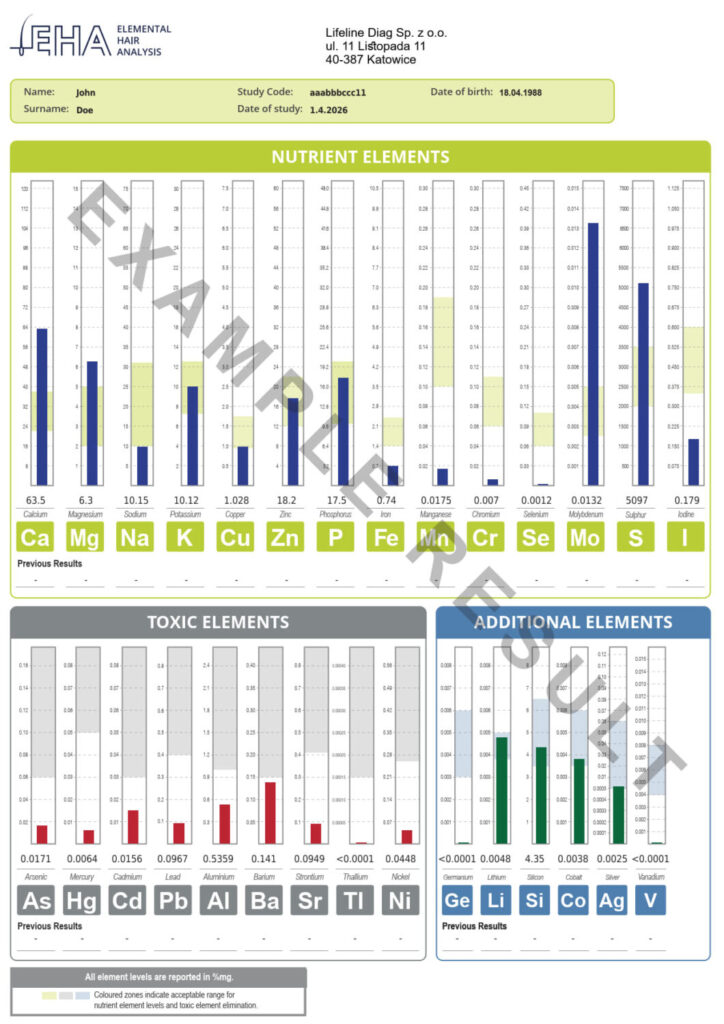
Before you detox, test first. Discover your toxic metal burden and mineral balance with the HMD® Hair Mineral Analysis & Toxic Metals Test.
Dr. George J. Georgiou, Ph.D., N.D., D.Sc (AM), M.Sc., B.Sc, is a world-renowned expert in the field of holistic medicine and detoxification. As the inventor of the highly acclaimed Dr. Georgiou's Heavy Metal Detox Protocol, and the main product, HMD™ (Heavy Metal Detox), he has revolutionized the approach to natural heavy metal detoxification. With over 35 years of experience in natural medicine, he has authored 23 books, including the comprehensive guide 'Curing the Incurable with Holistic Medicine,' which offers invaluable insights and over 700 scientific references. Dr. Georgiou's groundbreaking work is sought after by individuals and practitioners worldwide through his Da Vinci Institute of Holistic Medicine and Da Vinci Holistic Health Center based in Larnaca, Cyprus.
PODCAST: HOW HEAVY METAL EXPOSURE CHANGES THROUGHOUT LIFE The Heavy Metal Exposure Timeline How Toxic Metal Exposure Changes Throughout Life From Before Birth to Healthy Ageing Heavy metal exposure
PODCAST: THE LOW-MERCURY SEAFOOD GUIDE Don’t Avoid Fish — Choose Smarter! The Low-Mercury Seafood Guide Fish, Mercury and the Smart Seafood Strategy Fish is one of the most
PODCAST: LEAD & CADMIUM IN CHOCOLATE Dark Chocolate, Cacao and Cadmium The Uncomfortable Truth About a “Healthy Treat” Is Dark Chocolate Still Healthy? The Lead and Cadmium Question Dark