Description
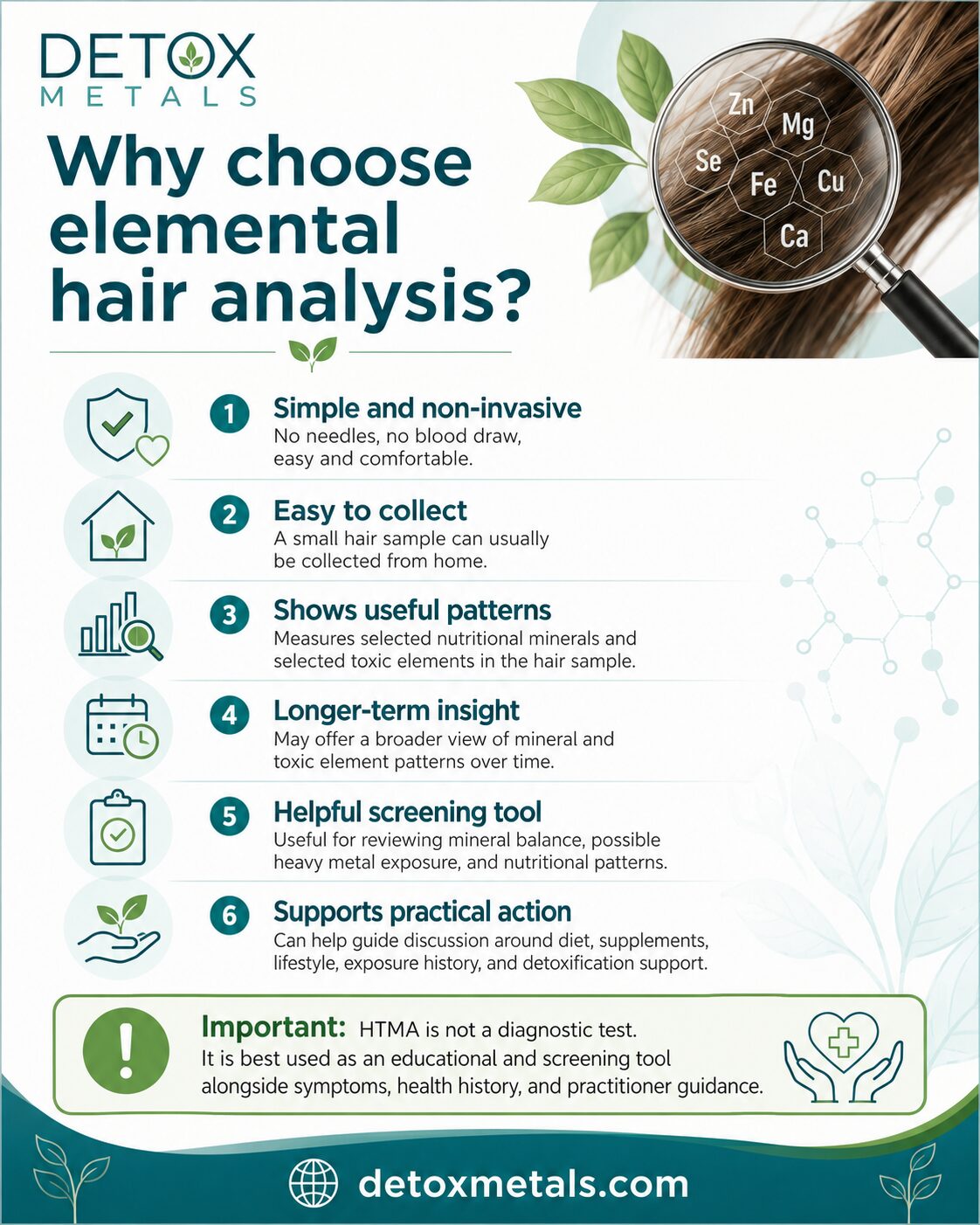
Why choose elemental hair analysis?
Hair Tissue Mineral Analysis, often called HTMA, is a simple, non-invasive way to look at selected nutritional minerals and toxic elements present in a hair sample.
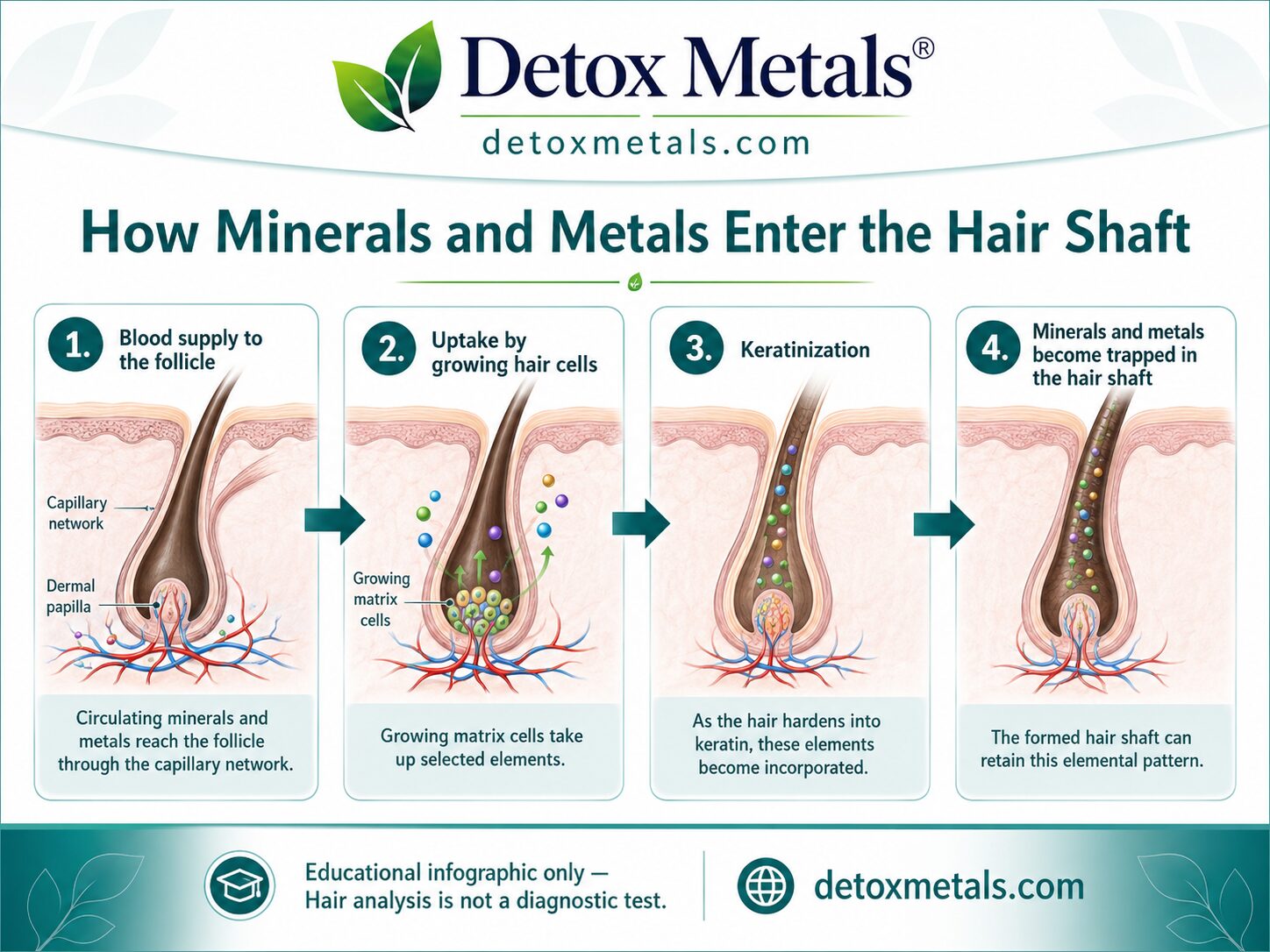
Unlike a blood draw, a hair test is easy to collect, does not require needles, and can be done from home. Hair may also offer a longer-term view of mineral and element patterns, because minerals and metals can become incorporated into the hair as it grows.
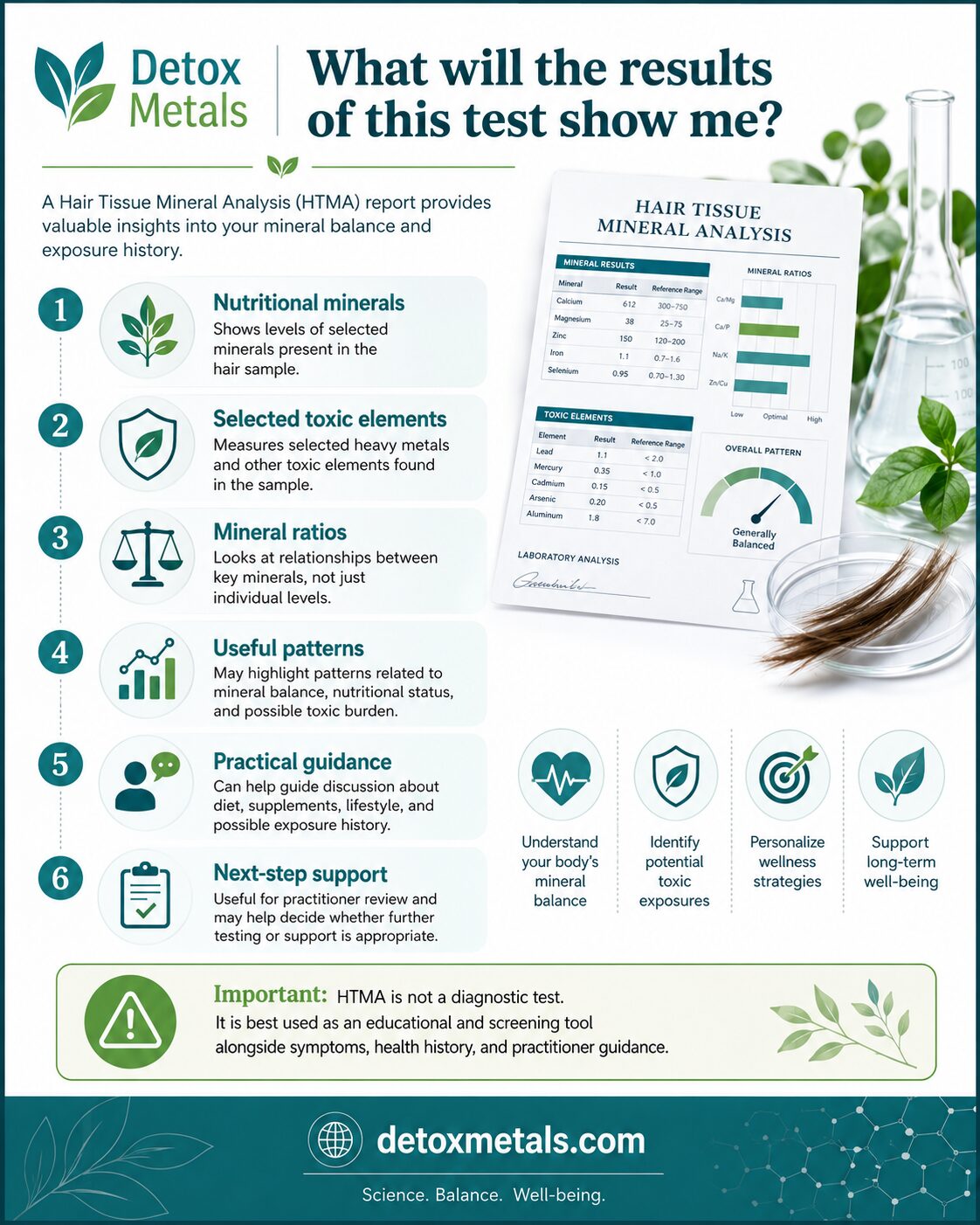
What will the results of this test show me?
Your report may show:
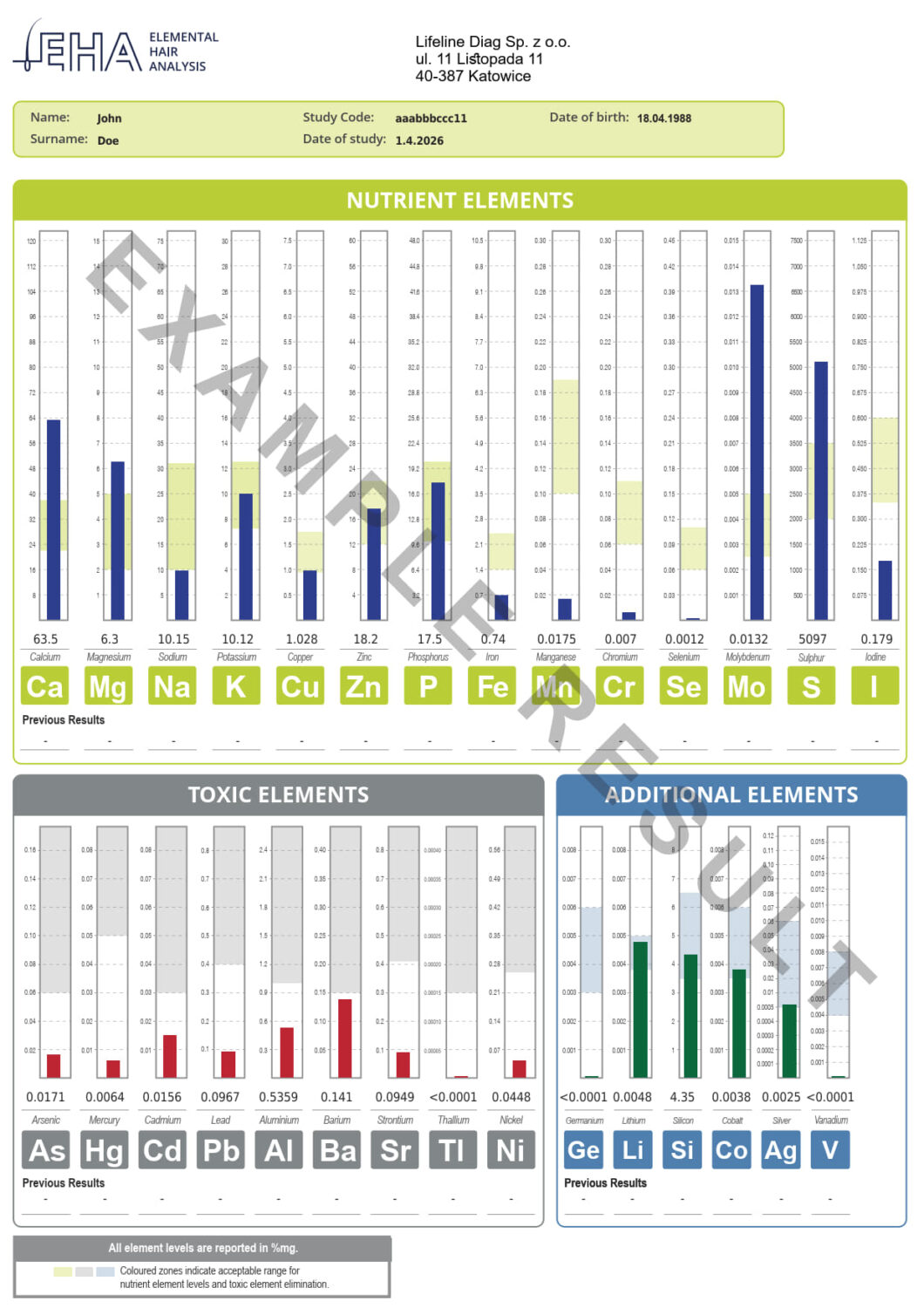
- Levels of selected nutritional minerals in the hair sample
- Levels of selected toxic elements, such as heavy metals
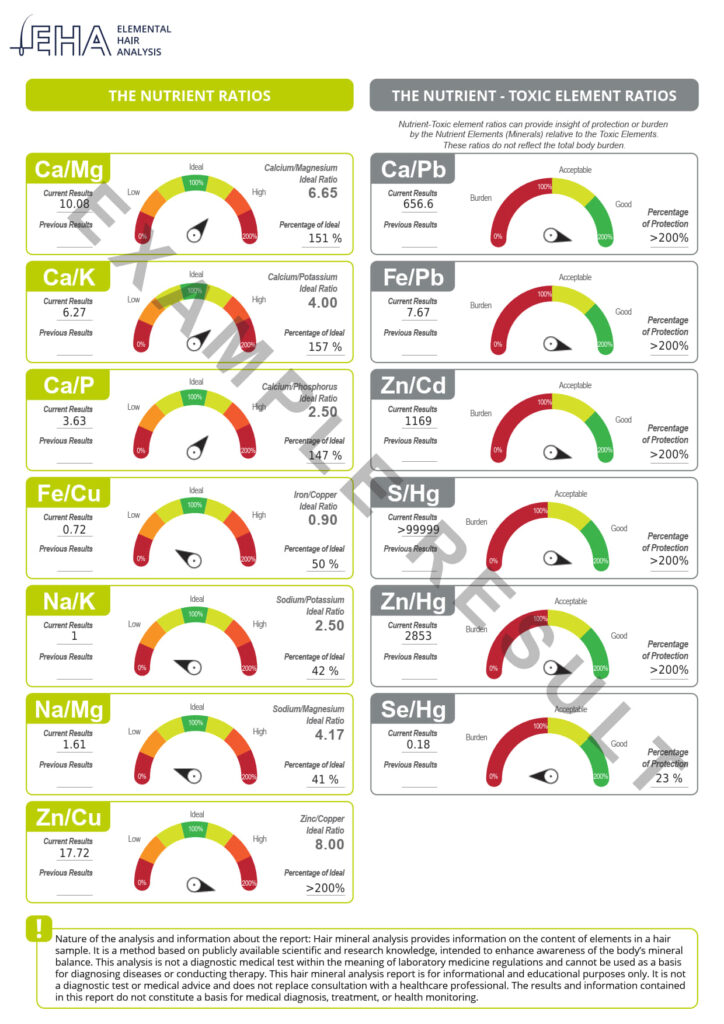
- Important mineral ratios, showing relationships between key elements
- Patterns that may suggest areas for nutritional or lifestyle support
- Information that may help guide further discussion with a practitioner
The value of the test is not only in one individual element. The broader pattern can often be more useful. Minerals interact with each other, so ratios may help show whether certain elements are out of balance or whether further support may be appropriate.
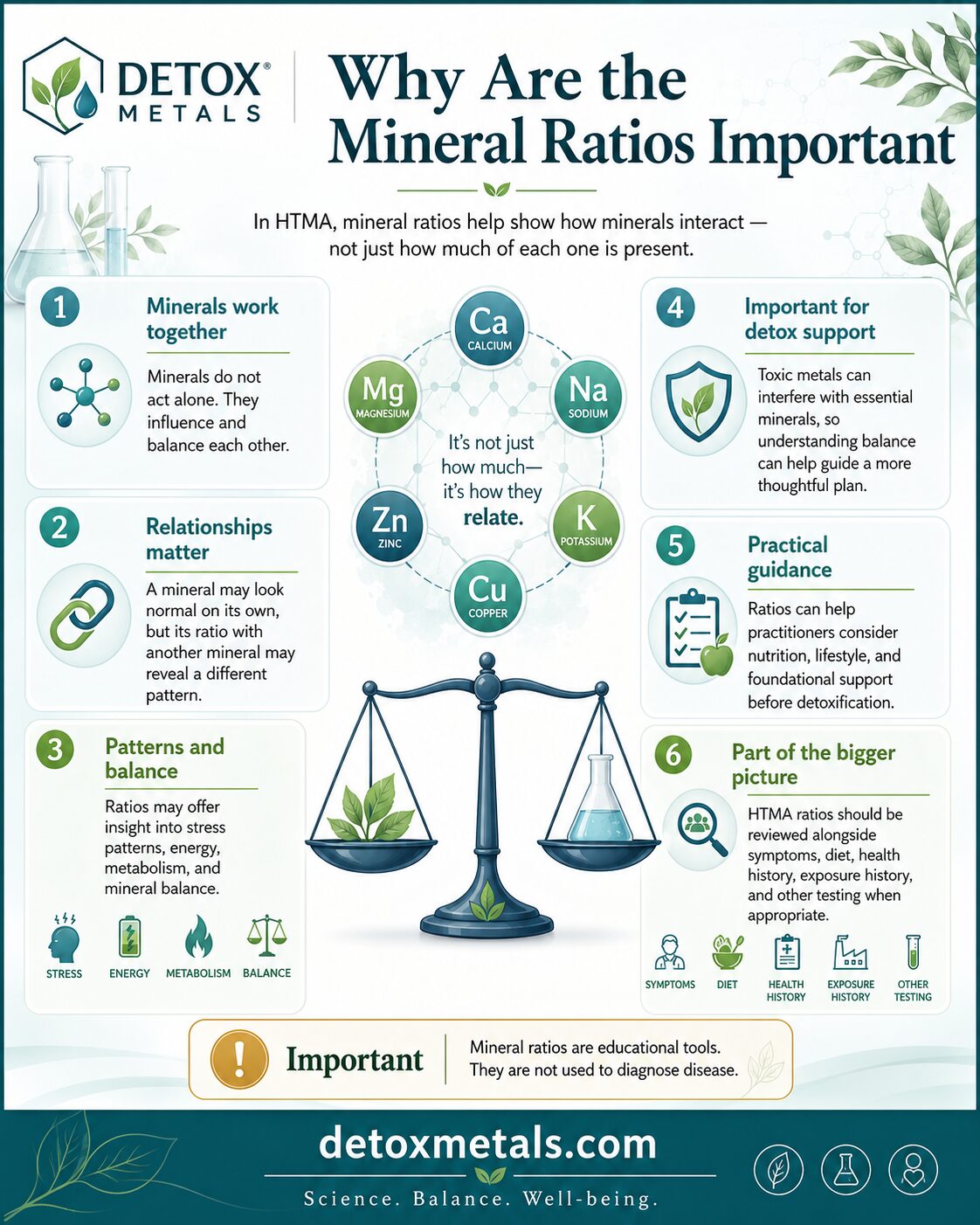
Why Are the Mineral Ratios Important?
Minerals do not work alone. They work together, balance each other, and sometimes compete with each other. This is why Hair Tissue Mineral Analysis does not only look at individual mineral levels, but also at the ratios between key minerals.
A mineral may appear “normal” on its own, but its relationship with another mineral may suggest a different pattern. For example, calcium, magnesium, sodium, potassium, zinc, copper, iron, and other minerals all influence important body functions such as energy production, stress response, nerve signalling, muscle function, blood sugar balance, and detoxification support.
Looking at mineral ratios can help provide insight into:
- how minerals may be interacting in the body
- whether certain minerals may be dominant or depleted in relation to others
- possible patterns linked with stress, energy, metabolism, or mineral balance
- areas where nutrition, lifestyle, or supplementation may need closer attention
- whether the body may need better foundational support before starting a detoxification programme
This is especially important when considering heavy metal detoxification, because toxic metals may interfere with essential minerals. For example, lead can compete with calcium, cadmium may interfere with zinc, and mercury may affect selenium-related antioxidant systems. Understanding mineral balance may therefore help practitioners create a more thoughtful and personalised support plan.
HTMA ratios are best used as part of the bigger picture. They should be interpreted alongside symptoms, diet, health history, exposure history, lifestyle, and, where appropriate, other laboratory testing.
How Do Minerals and Metals Get Into the Hair Shaft?
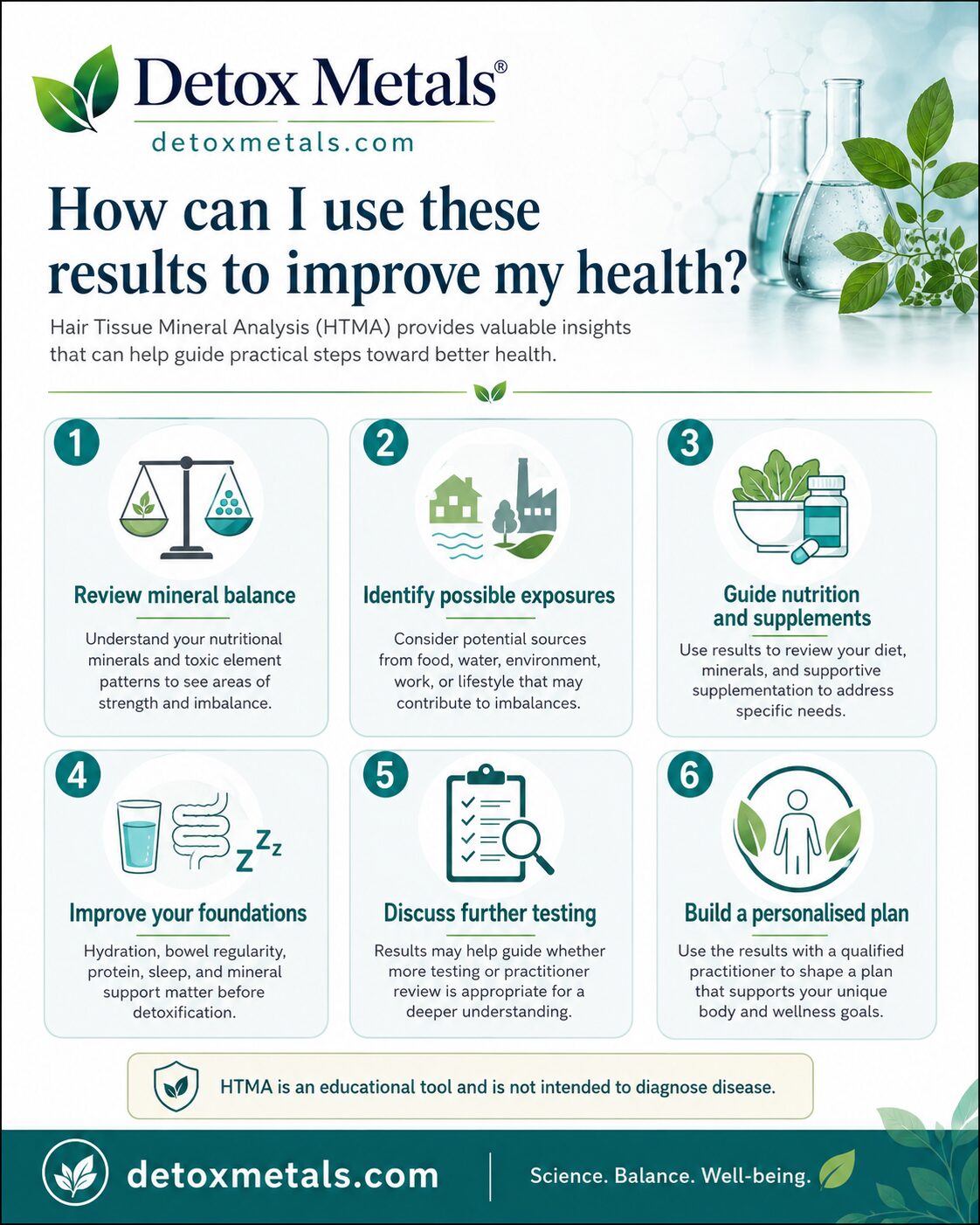
How can I use these results to improve my health?
HTMA results can help you and your practitioner make more personalised decisions.
For example, the results may help you review:
- Your mineral intake from food and supplements
- Possible sources of heavy metal exposure
- Whether further testing may be appropriate
- Hydration, bowel regularity, and elimination support
- Diet quality and protein intake
- Mineral balance before beginning a detoxification programme
- Whether a structured heavy metal detox protocol may be suitable
Used properly, HTMA can be a helpful starting point. It gives you something concrete to discuss, rather than guessing.
The best results come when the test is interpreted alongside your symptoms, health history, diet, lifestyle, occupation, dental history, environmental exposure, and any other relevant laboratory testing.
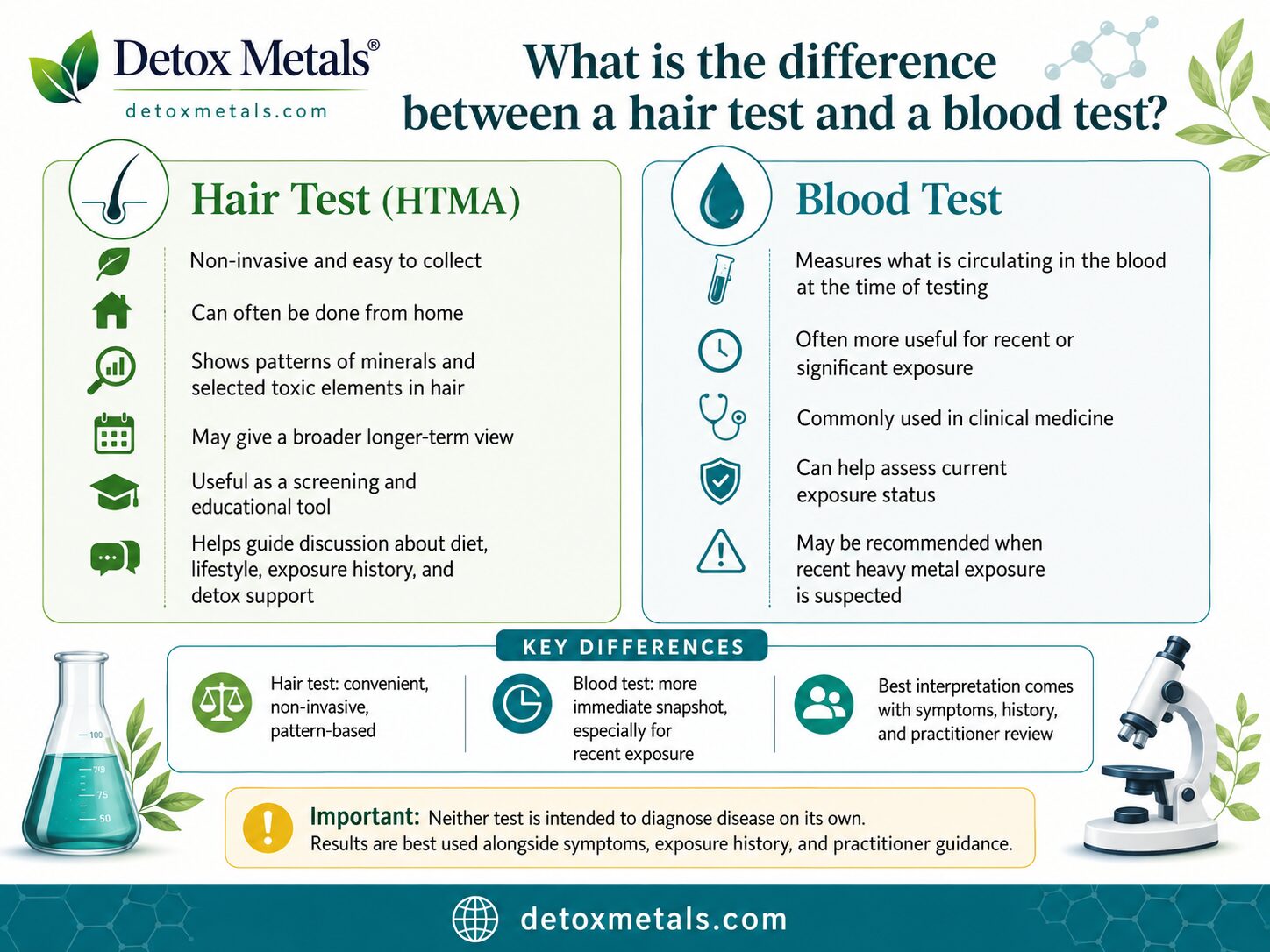
What is the difference between a hair test and a blood test?
A blood test usually gives a more immediate picture. It can be very useful when recent or significant exposure is suspected, and blood and urine remain the most commonly used samples for heavy metal testing in clinical medicine.
A hair test looks at elements incorporated into hair tissue. This may give a broader view of patterns over time, but it also has important limitations. Hair can be affected by external contamination, hair treatments, washing methods, and laboratory procedures. Scientific reviews and public health agencies advise that hair results should be interpreted carefully and should not be used alone to diagnose illness or predict health effects.
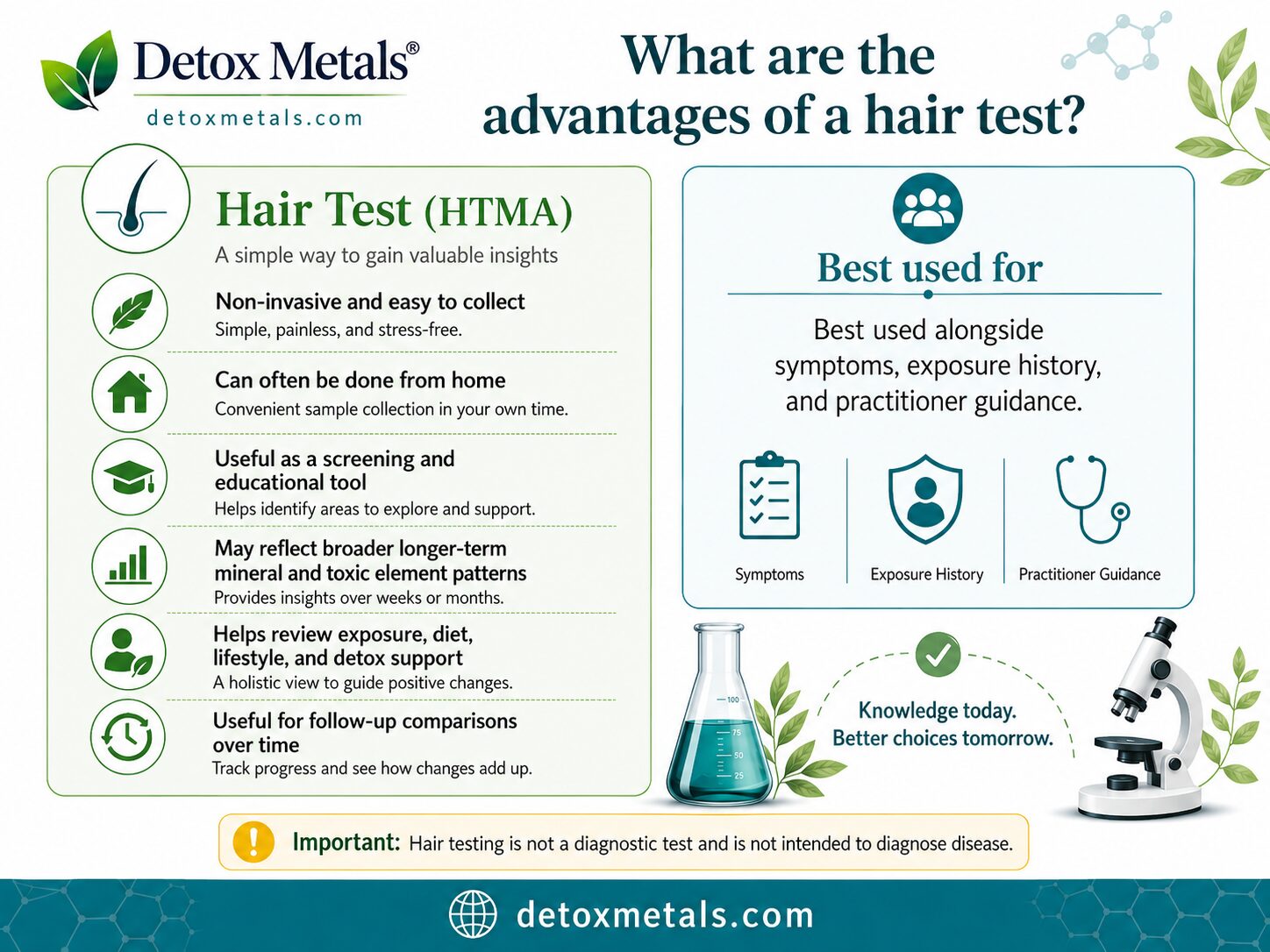
What are the advantages of a hair test?
The main advantages are:
- Non-invasive — no blood draw required
- Easy sample collection — can often be done from home
- Useful screening tool — may help identify mineral and toxic element patterns
- Helpful for education — gives a starting point for reviewing exposure, diet, and lifestyle
- Good for follow-up comparisons — repeat testing may help track changes over time when interpreted carefully
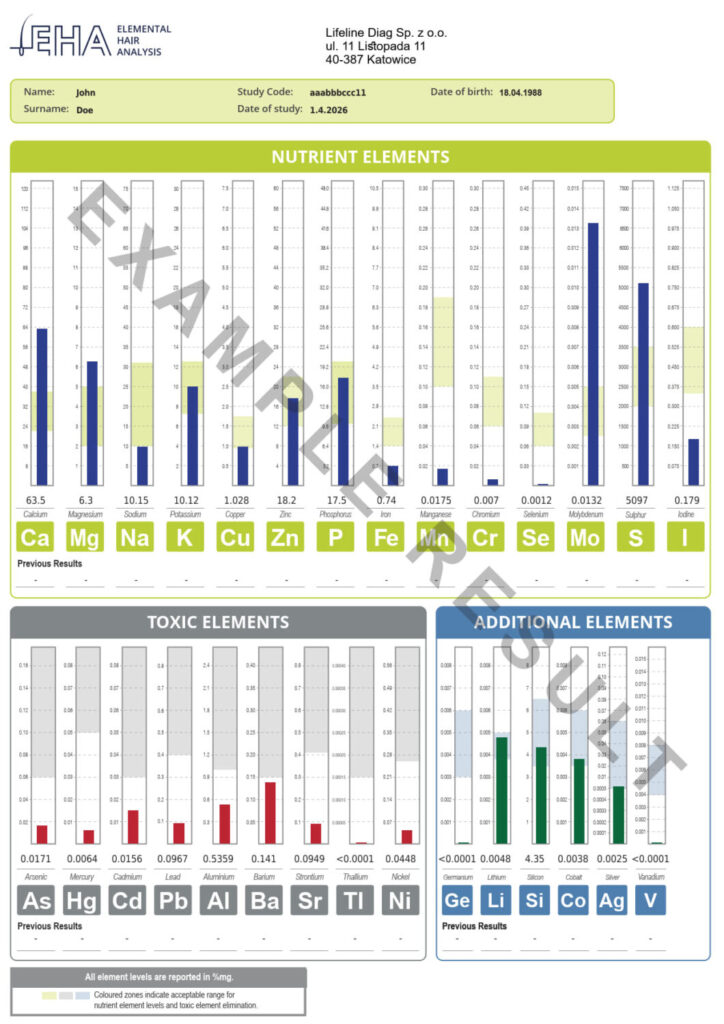
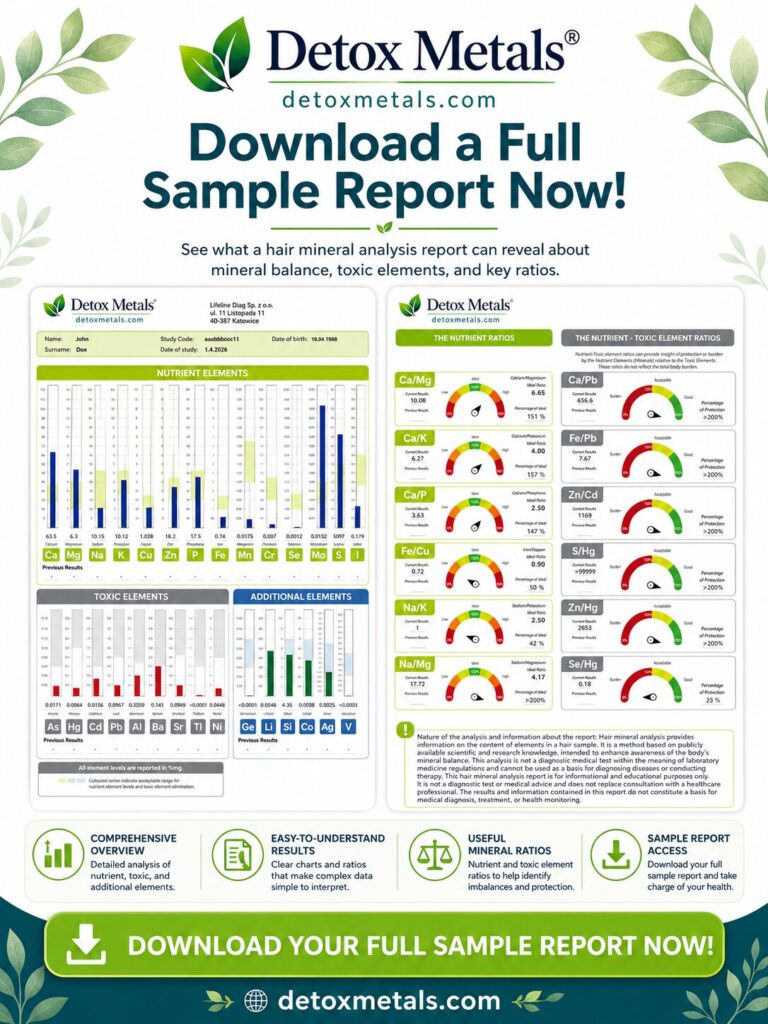
Examples of Test Report
What Does the Tissue Hair Mineral Analysis measure?
- determination of 29 elements in a hair sample: 20 nutritional elements (with a description of their role in the body and sources in the diet) and 9 elements considered potentially toxic (with information on possible sources of exposure)
Nutritional elements: chromium, zinc, phosphorus, germanium, iodine, cobalt, silicon, lithium, magnesium, manganese, copper, molybdenum, potassium, selenium, sulfur, sodium, silver, vanadium, calcium, iron
Toxic elements: aluminum, arsenic, barium, cadmium, nickel, lead, mercury, strontium, thallium

Reviews
There are no reviews yet