
Autoimmune diseases are among the fastest-growing chronic conditions worldwide. From Hashimoto’s thyroiditis and rheumatoid arthritis to lupus and multiple sclerosis, these conditions share a common theme:
👉 The immune system begins to attack the body it is meant to protect.
Conventional medicine often focuses on managing symptoms or suppressing immune activity. But a deeper question remains:
What triggers the immune system to lose tolerance in the first place?
One increasingly studied factor is environmental toxic burden, particularly heavy metals such as mercury, lead, cadmium, and arsenic.
In clinical practice, and supported by emerging research, these metals appear capable of influencing immune function in ways that may contribute to the development—or persistence—of autoimmune disease.
The immune system is designed to distinguish between:
Autoimmunity occurs when this distinction breaks down.
This breakdown is rarely caused by a single factor. Instead, it is usually the result of:
Heavy metals fall into the category of environmental triggers—but their effects go far beyond simple toxicity.
A growing body of research suggests that exposure to heavy metals is associated with:
Metals such as mercury, lead, cadmium, and nickel are frequently detected at higher levels in individuals with autoimmune and inflammatory diseases.
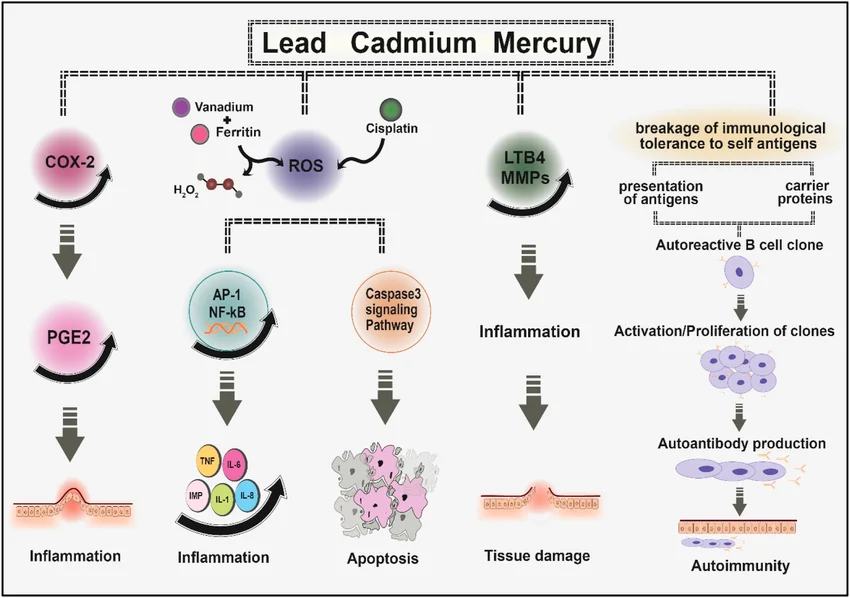
Let’s explore the biological mechanisms involved.
Heavy metals can directly affect immune cells.
They may:
Studies show that metals like lead and cadmium can induce immunotoxic effects, altering immune cell behavior and increasing susceptibility to autoimmune reactions .
At the same time, heavy metals may both stimulate and suppress immune responses, creating an unstable immune environment.
One of the most consistent findings is that heavy metals promote systemic inflammation.
For example:
Inflammation is a key driver of autoimmune disease. When it becomes chronic:
👉 the immune system remains activated
👉 tissue damage increases
👉 tolerance decreases
Heavy metals are potent generators of reactive oxygen species (ROS).
This leads to:
Oxidative stress is a known contributor to autoimmune disease because it:
Heavy metals interfere with enzymes and cellular signaling pathways, contributing to widespread biological dysfunction .
One of the more subtle but important mechanisms is molecular mimicry.
Heavy metals can:
This can trigger the production of autoantibodies.
For example, mercury exposure has been associated with:
Research suggests that heavy metals can activate:
This can lead to:
Metal-induced autoimmunity may arise from direct toxic effects on immune cells and tissues, as well as indirect effects on other systems .
Heavy metals can influence gene expression without changing DNA itself.
This is known as epigenetic modification.
These changes can:
The gut plays a central role in immune regulation.
Heavy metals can:
This allows:
👉 toxins and antigens to enter the bloodstream
👉 immune activation to increase
The gut–immune connection is now recognized as a key factor in autoimmune disease development.
Heavy metals also act as endocrine disruptors, affecting:
Hormonal imbalance can further destabilize immune function.
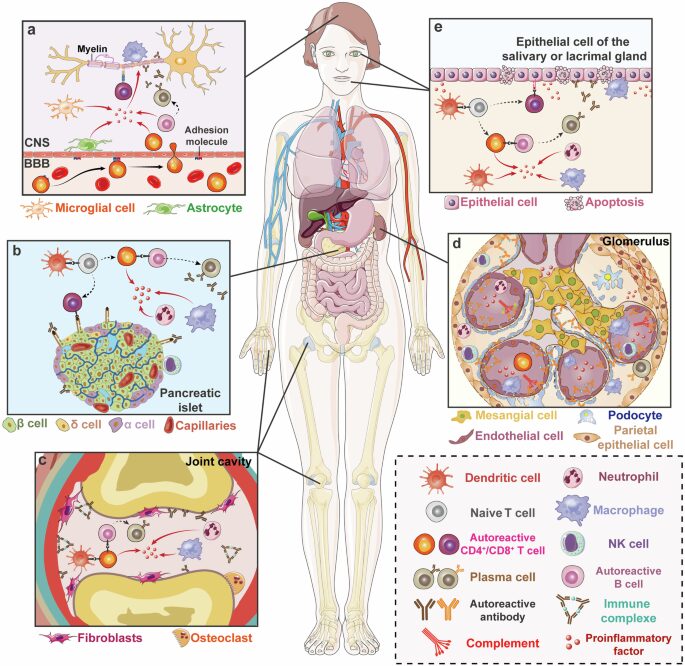
One of the biggest challenges is that:
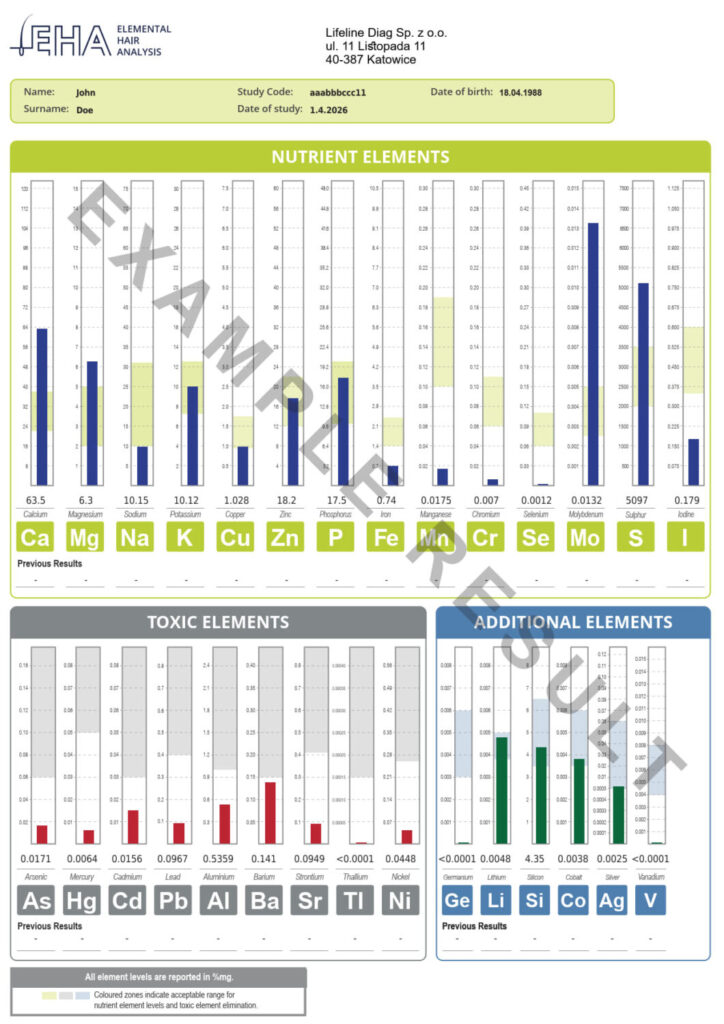
👉 heavy metal exposure is rarely tested
👉 symptoms are non-specific
👉 standard medical models focus on symptom suppression
Additionally:
While causation is complex, heavy metals have been associated with:
Heavy metal exposure has been linked to immune abnormalities and increased risk of autoimmune disease in multiple studies .
Many patients with autoimmune conditions also experience:
These may reflect a broader systemic burden, not just isolated immune dysfunction.
Rather than viewing autoimmunity purely as a disease to suppress, a more integrative approach considers:
👉 what is burdening the immune system
👉 what is disrupting tolerance
👉 what is preventing recovery
Reducing toxic load may be one piece of this puzzle.
The body has built-in detox systems:
However, modern environmental exposure can overwhelm these systems.
The goal is not aggressive detox—but supporting the body’s natural capacity to restore balance.
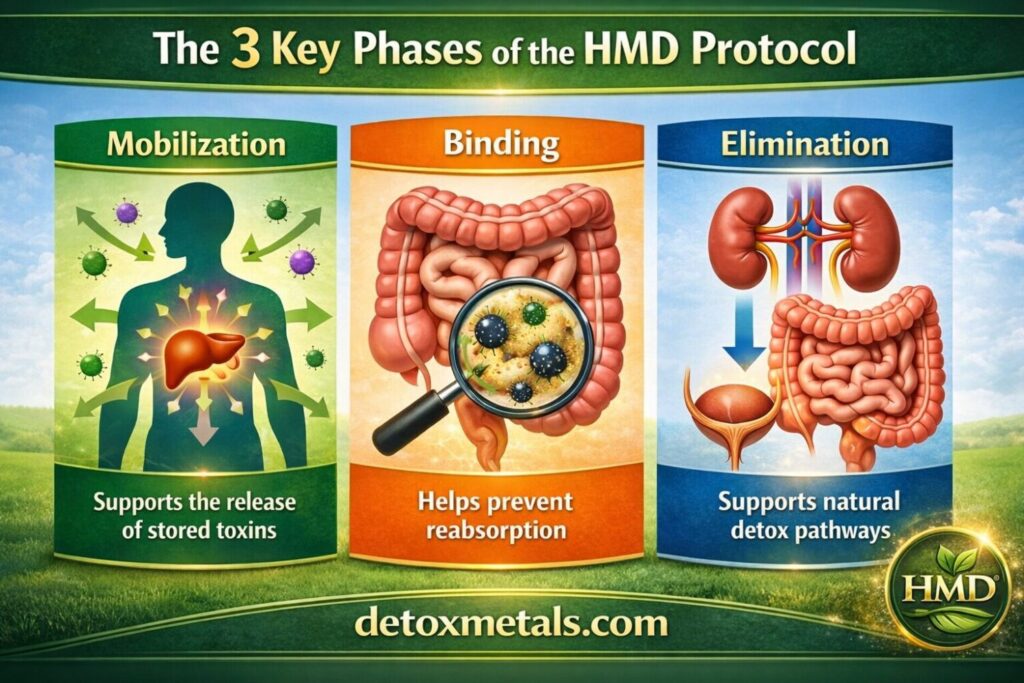
In clinical practice, one approach that has been developed is the HMD (Heavy Metal Detox) protocol by Dr. George J. Georgiou.
Rather than forcing detoxification, this approach focuses on:
This structured method aims to:
For individuals with autoimmune conditions, this kind of measured and supportive approach may be more appropriate than aggressive detox strategies.
Autoimmune disease is complex. There is rarely a single cause.
However, growing evidence suggests that heavy metals may play a meaningful role in immune dysregulation, through:
Addressing these underlying factors does not replace medical care—but it may help support the body in restoring balance.
The goal is not simply to suppress the immune system.
It is to understand why it became dysregulated in the first place.







PODCAST: HOW HEAVY METAL EXPOSURE CHANGES THROUGHOUT LIFE The Heavy Metal Exposure Timeline How Toxic Metal Exposure Changes Throughout Life From Before Birth to Healthy Ageing Heavy metal exposure

PODCAST: THE LOW-MERCURY SEAFOOD GUIDE Don’t Avoid Fish — Choose Smarter! The Low-Mercury Seafood Guide Fish, Mercury and the Smart Seafood Strategy Fish is one of the most

PODCAST: LEAD & CADMIUM IN CHOCOLATE Dark Chocolate, Cacao and Cadmium The Uncomfortable Truth About a “Healthy Treat” Is Dark Chocolate Still Healthy? The Lead and Cadmium Question Dark