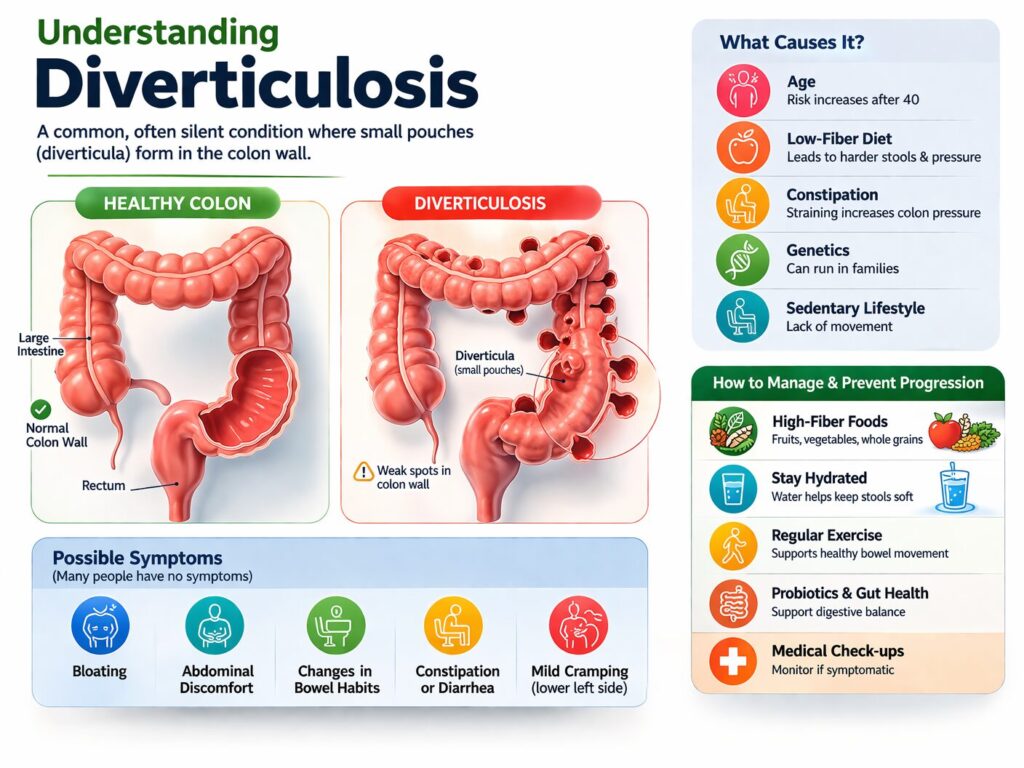
Diverticulosis is one of the most common digestive conditions seen in clinical practice, especially in individuals over the age of 50.
It is often considered a simple “mechanical” issue—weak spots in the colon wall forming small pouches (diverticula).
But when you look deeper, especially through the lens of functional and environmental medicine, a more complex picture begins to emerge.
In my experience, diverticulosis is not just about fiber intake or aging. It is often linked to chronic low-grade inflammation, gut wall integrity, and systemic toxic burden—including exposure to heavy metals.
Diverticulosis refers to the formation of small pouches (diverticula) in the wall of the large intestine, particularly in the sigmoid colon.
These pouches develop at weak points in the intestinal wall and may remain asymptomatic—or progress to:
While traditionally linked to:
This explanation alone does not fully account for why the intestinal wall becomes weakened in the first place.
To understand how diverticulosis develops, we need to consider:
👉 the structural integrity of the colon wall
👉 the inflammatory environment of the gut
👉 the health of the microbiome
Heavy metals can influence all three.
Heavy metals such as mercury, lead, cadmium, and arsenic are not inert. They actively interact with biological systems.
Research shows that heavy metals:
Let’s break down how these mechanisms may contribute specifically to diverticulosis.
The gut microbiome plays a central role in maintaining intestinal integrity.
Heavy metals can:
This imbalance (dysbiosis) has been shown to:
👉 Over time, this creates a less resilient intestinal environment.
Heavy metals can directly damage the epithelial cells lining the intestine.
They:
This leads to:
👉 A weakened intestinal wall is more prone to forming diverticula.
Heavy metals promote the production of inflammatory cytokines and oxidative compounds.
Studies show that heavy metal exposure is associated with:
Chronic inflammation:
Heavy metals generate reactive oxygen species (ROS), leading to oxidative stress.
This has several effects:
The colon wall depends on strong connective tissue.
When collagen integrity declines:
👉 structural weakness increases
👉 diverticula formation becomes more likely
The colon relies on coordinated muscular contractions (peristalsis).
Heavy metals can:
This may contribute to:
The gut is not just digestive—it is an immune organ.
Heavy metals disturb the balance between:
This leads to:
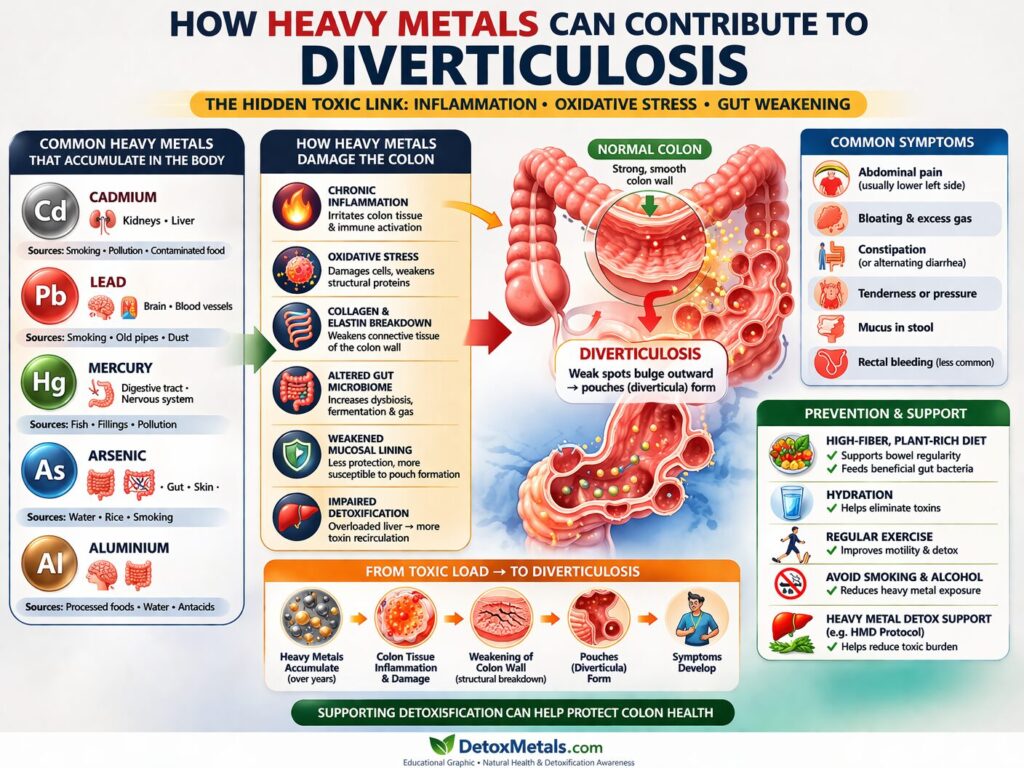
Diverticulosis may not be caused by a single factor.
Instead, it often reflects a combination of stresses:
Heavy metals can influence all of these simultaneously.
Symptoms That May Suggest a Deeper Component
In individuals with diverticulosis and toxic burden, you may also see:
These reflect a broader systemic imbalance.
Why This Is Often Overlooked
Most conventional approaches focus on:
However:
👉 toxic burden is rarely assessed
👉 microbiome disruption is often ignored
👉 root causes remain unaddressed
Supporting Gut Health and Reducing Toxic Load
The body has natural detox pathways:
However, heavy metal exposure can overwhelm these systems.
Supporting detoxification may help:
In clinical practice, a structured approach is essential.
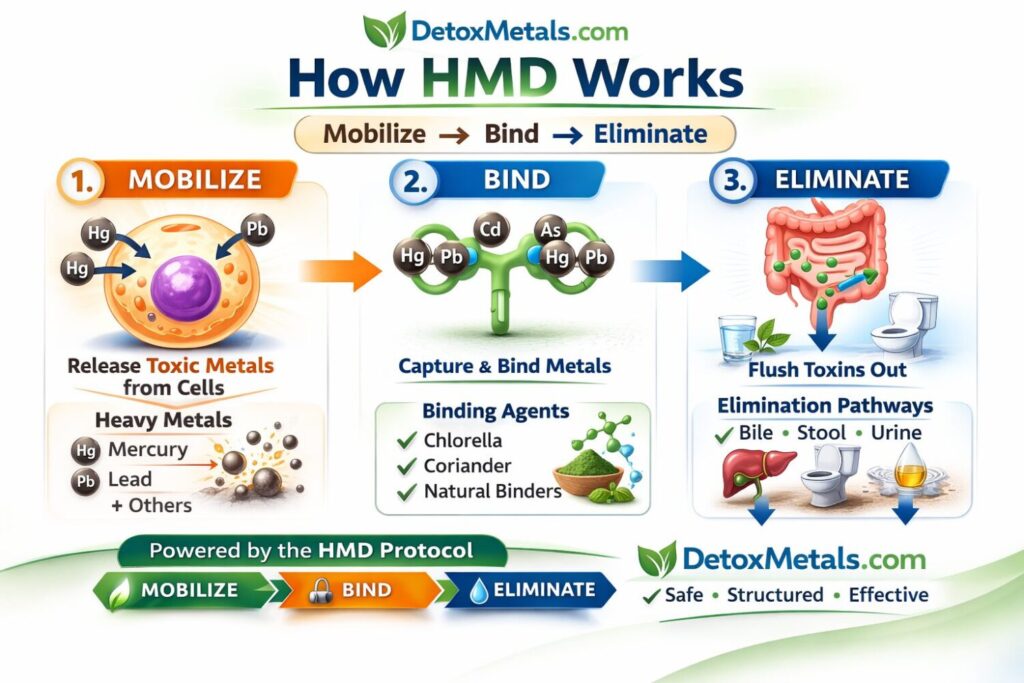
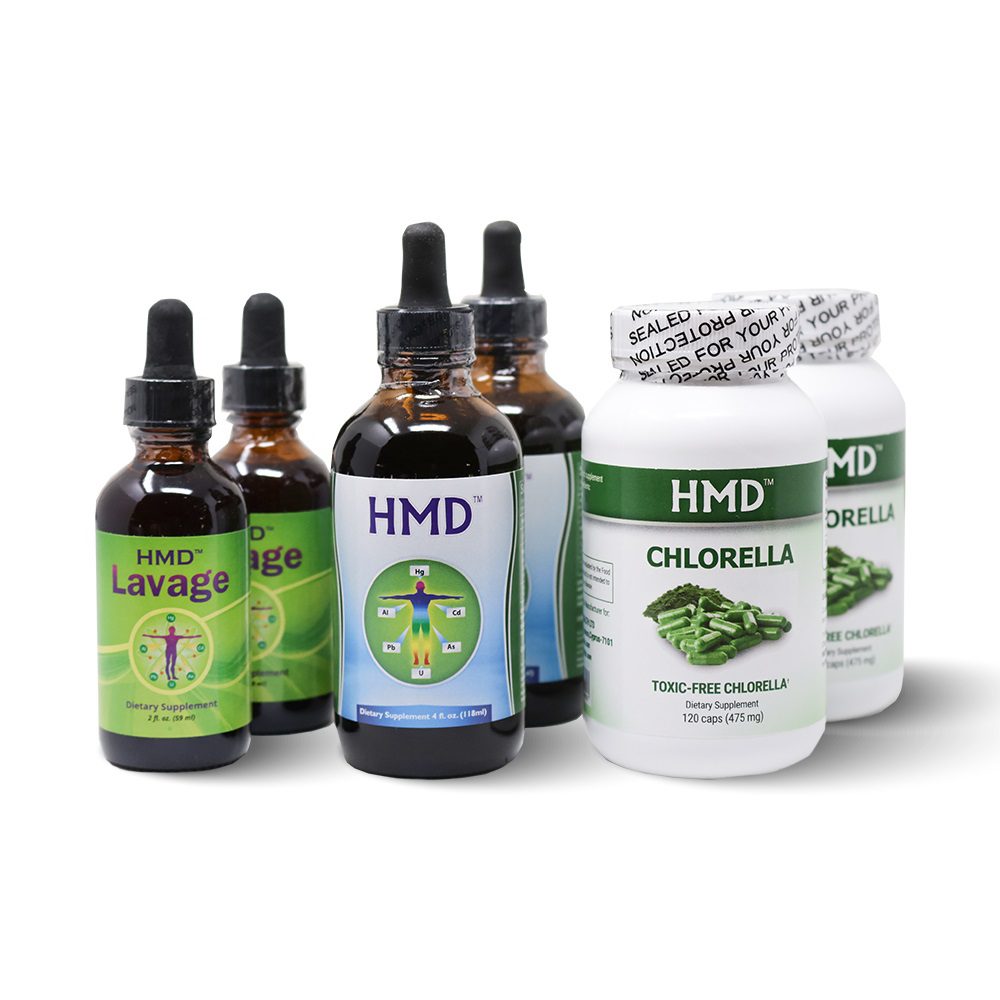
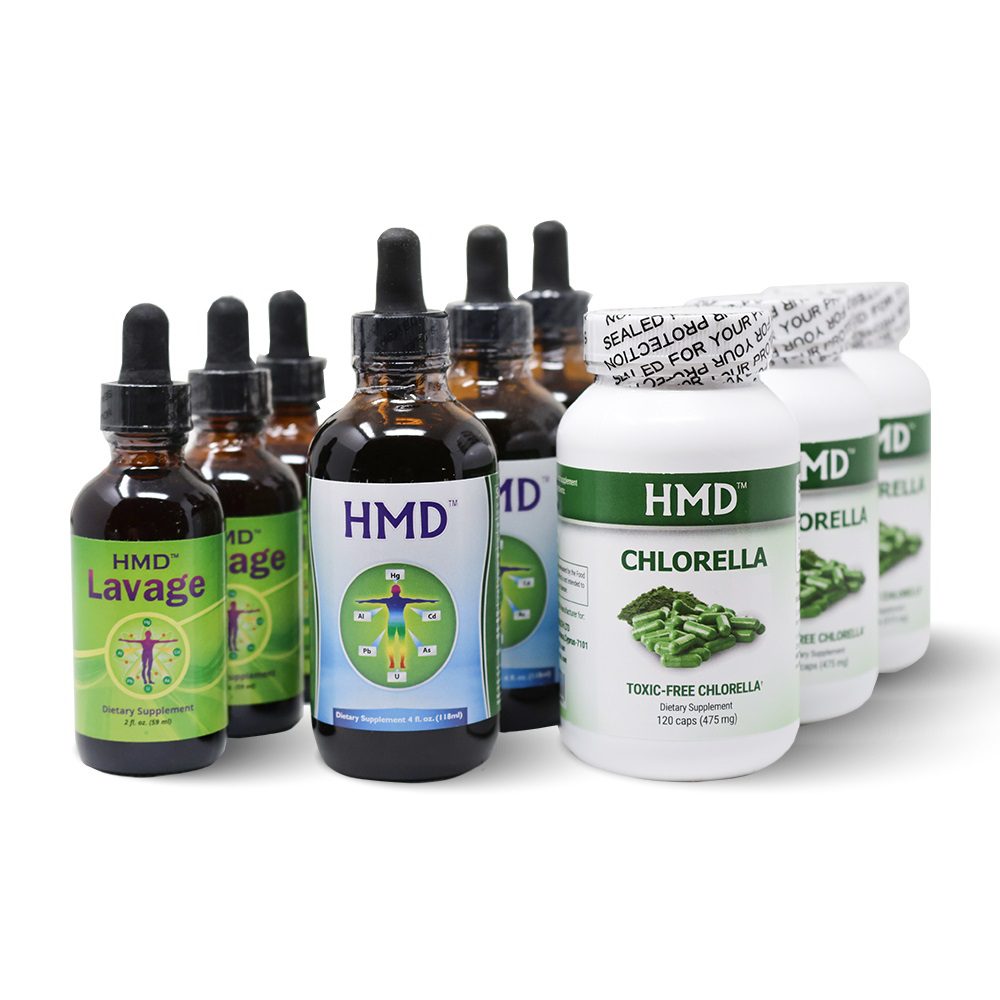
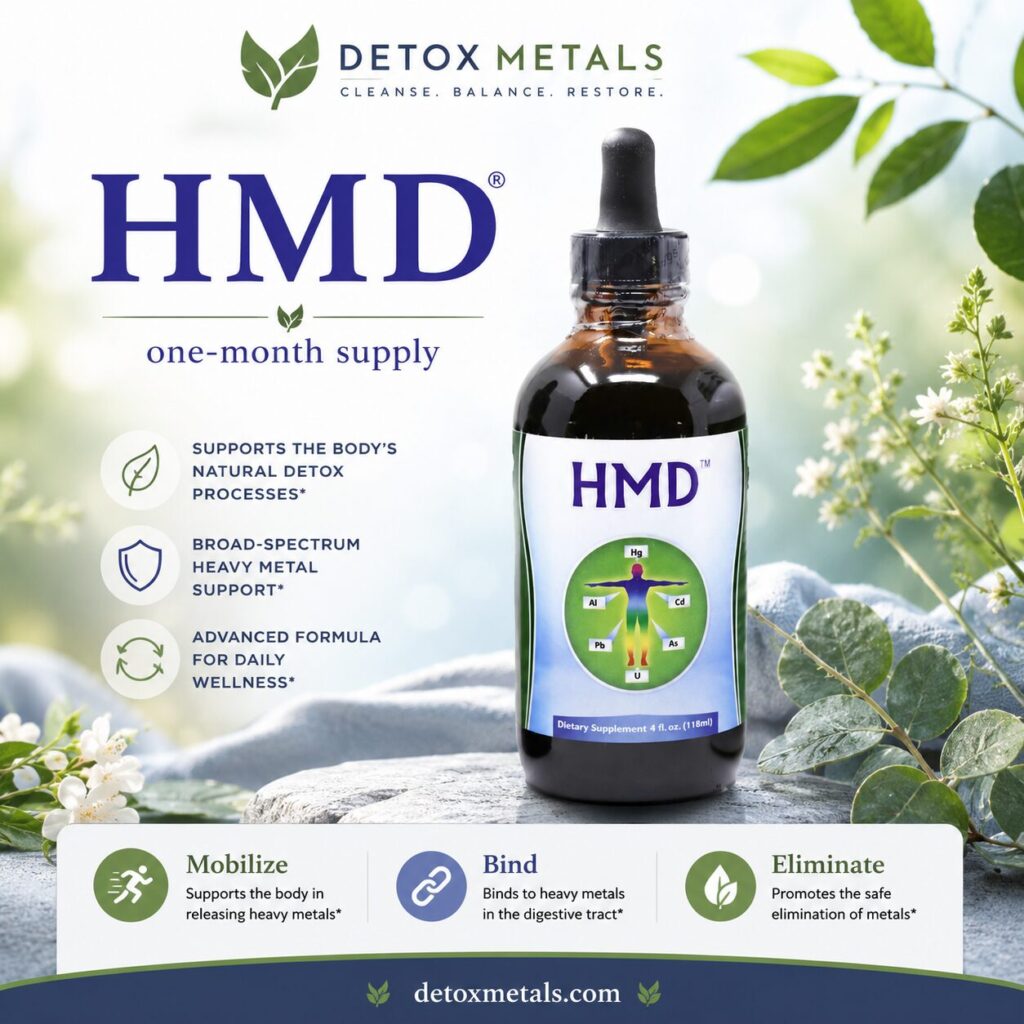
The HMD (Heavy Metal Detox) protocol developed by Dr. George J. Georgiou is designed to support detoxification in a controlled and physiological way.
Rather than forcing detox, it focuses on:
Gently supporting the release of stored toxins
Helping prevent reabsorption in the gut
Supporting natural detox pathways
This approach aims to:
In conditions such as diverticulosis—where the gut wall is already vulnerable—a gentle and structured approach is particularly important.
Diverticulosis is often seen as a simple structural condition.
But when we look deeper, it reflects:
Heavy metals may play a contributing role through:
Addressing these underlying factors does not replace conventional care—but it may provide a missing piece in supporting long-term gut health.
References (Scientific Literature)


PODCAST: HEAVY METALS IN BABY FOODS Heavy Metals in Baby Foods Why Parents Are Asking Better Questions Why This Conversation Matters There are few things more personal than feeding
PODCAST: HEAVY METALS IN A MODERN LIFESTYLE Heavy Metals in a Modern Lifestyle The New Detox Problem How everyday food, air, water, products and technology may be adding to our
PODCAST: Wildfire Smoke, Toxic Ash, and Heavy Metals in Our Air Wildfire Smoke, Toxic Ash and Heavy Metals The Hidden Side of Air Pollution Wildfire smoke is no longer