
Many people today struggle with symptoms like fatigue, brain fog, weight gain, and low mood—yet their thyroid tests come back “normal.”
If this sounds familiar, there may be a missing piece.
One increasingly recognized factor is heavy metal toxicity. Environmental metals such as mercury, lead, and cadmium can interfere with thyroid function in subtle but powerful ways.
In this article, we’ll explore:
The thyroid is a small gland located in the neck, but it has a major role in regulating:
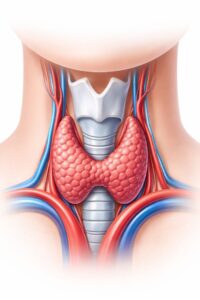
It works through the HPT axis (hypothalamic–pituitary–thyroid axis), where:
Disruption at any step can lead to symptoms—even when lab results appear normal.
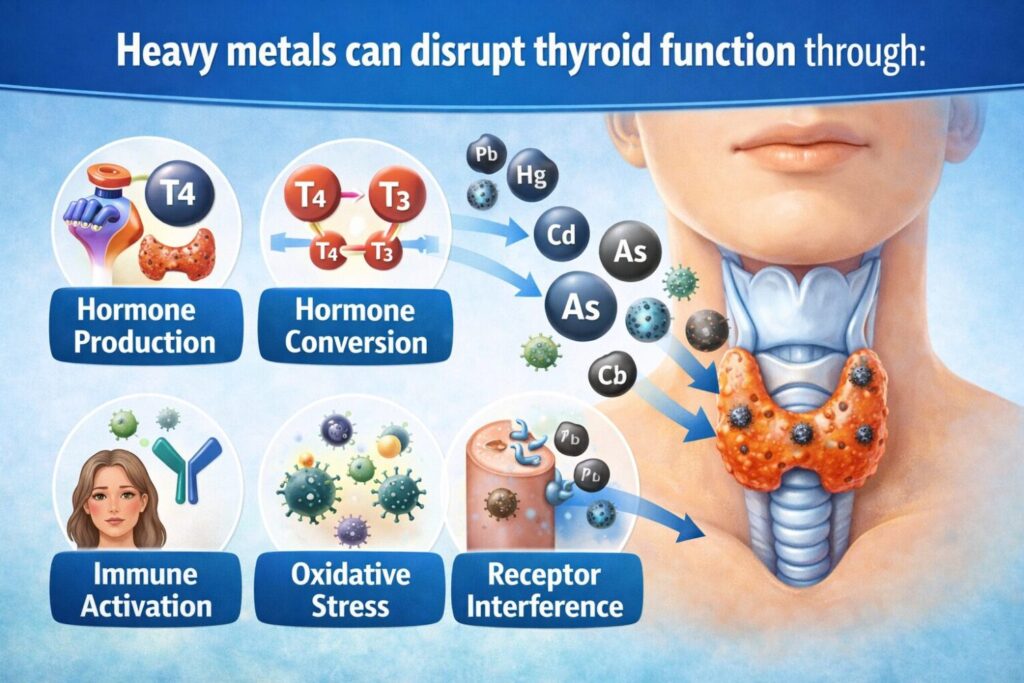
Heavy metals can interfere with thyroid health through multiple pathways.
The thyroid depends on iodine to produce hormones.
Heavy metals can interfere with this process by:
Research has shown that exposure to metals like lead may alter thyroid hormone levels (Iavicoli et al., 2009).
T4 must be converted into T3, the active hormone.
This process depends on enzymes that require selenium.
Heavy metals can:
A study by Chen et al. (2013) found associations between heavy metal exposure and altered thyroid hormone metabolism.
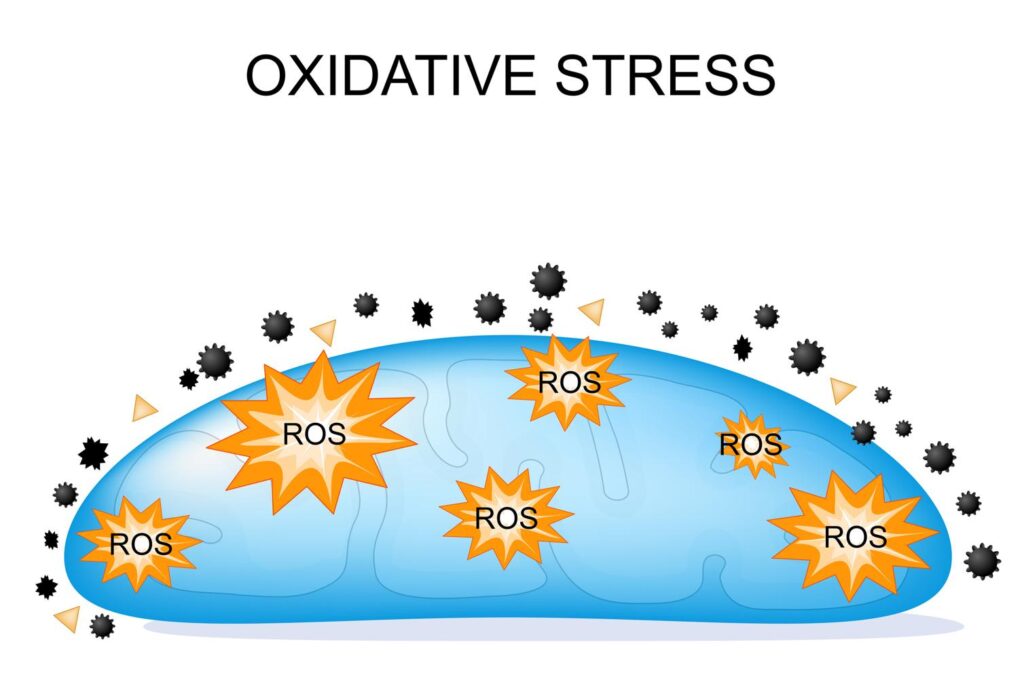
Heavy metals generate free radicals, leading to oxidative stress.
This damages:
The thyroid is particularly sensitive because it already produces oxidative compounds during hormone production (Rana, 2014).
Heavy metals can dysregulate the immune system and contribute to autoimmune conditions.
For example:
This is especially relevant for:
Even if hormone levels are normal, cells must respond to them.
Heavy metals can:
This leads to symptoms despite “normal” lab values.
Heavy metals act as endocrine disruptors, affecting (Gore et al., 2015):
This creates a broader metabolic imbalance.
Common overlapping symptoms include:
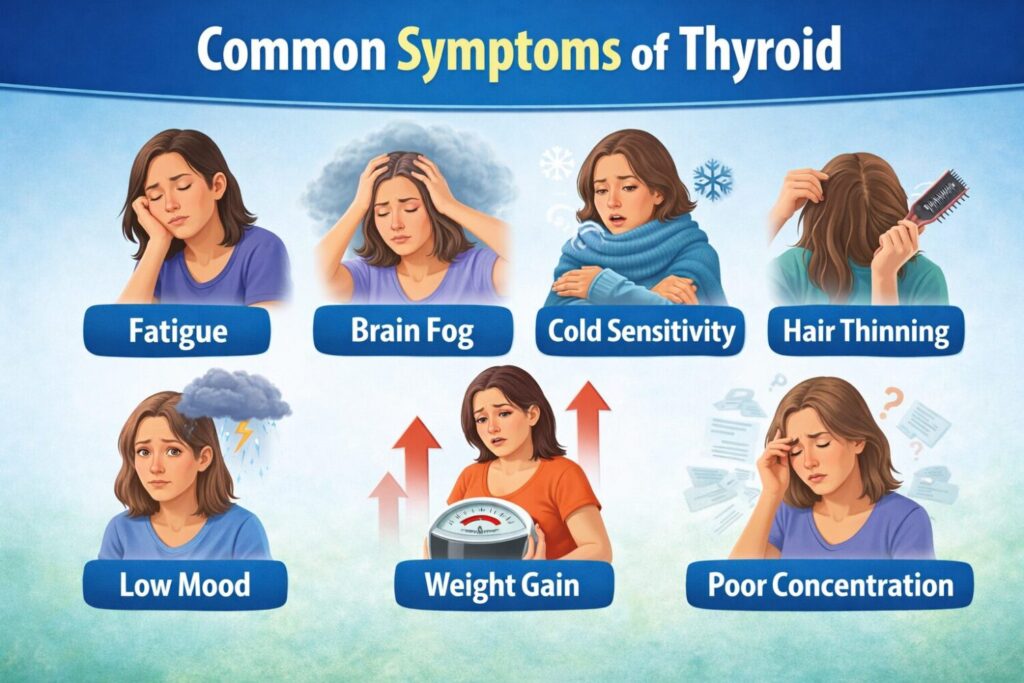
👉 These symptoms often persist despite normal thyroid blood tests.
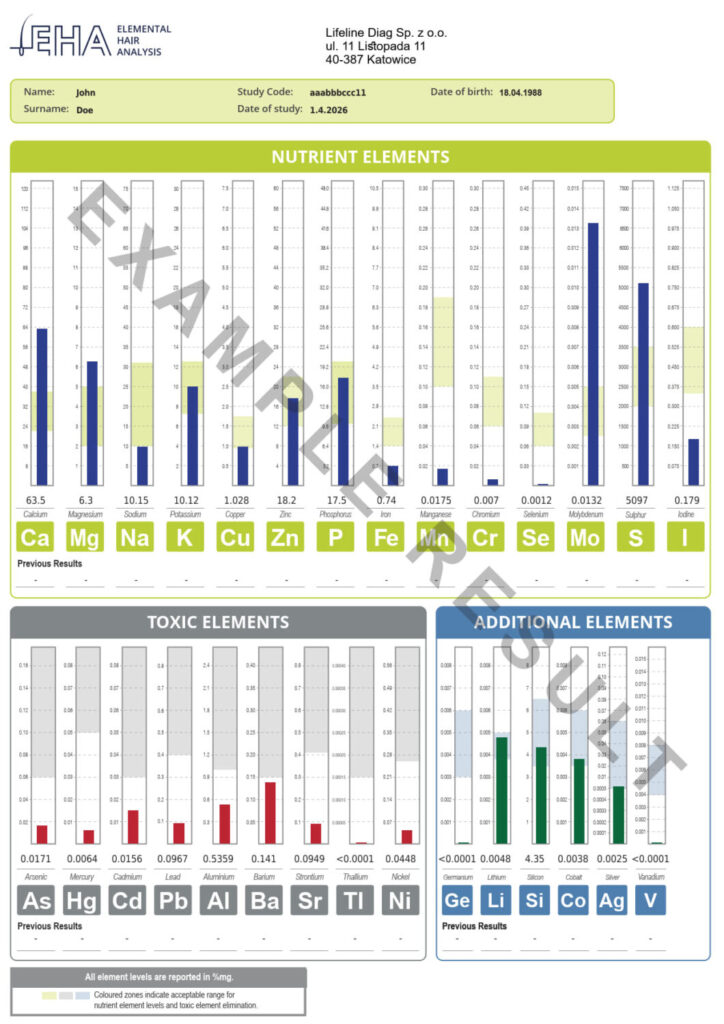
Standard tests measure hormone levels—but not:
This is why many patients are told:
“Your thyroid is normal”
…even when symptoms continue.
The body detoxifies through:
However, heavy metals can:
Supporting detox pathways may help reduce this burden.
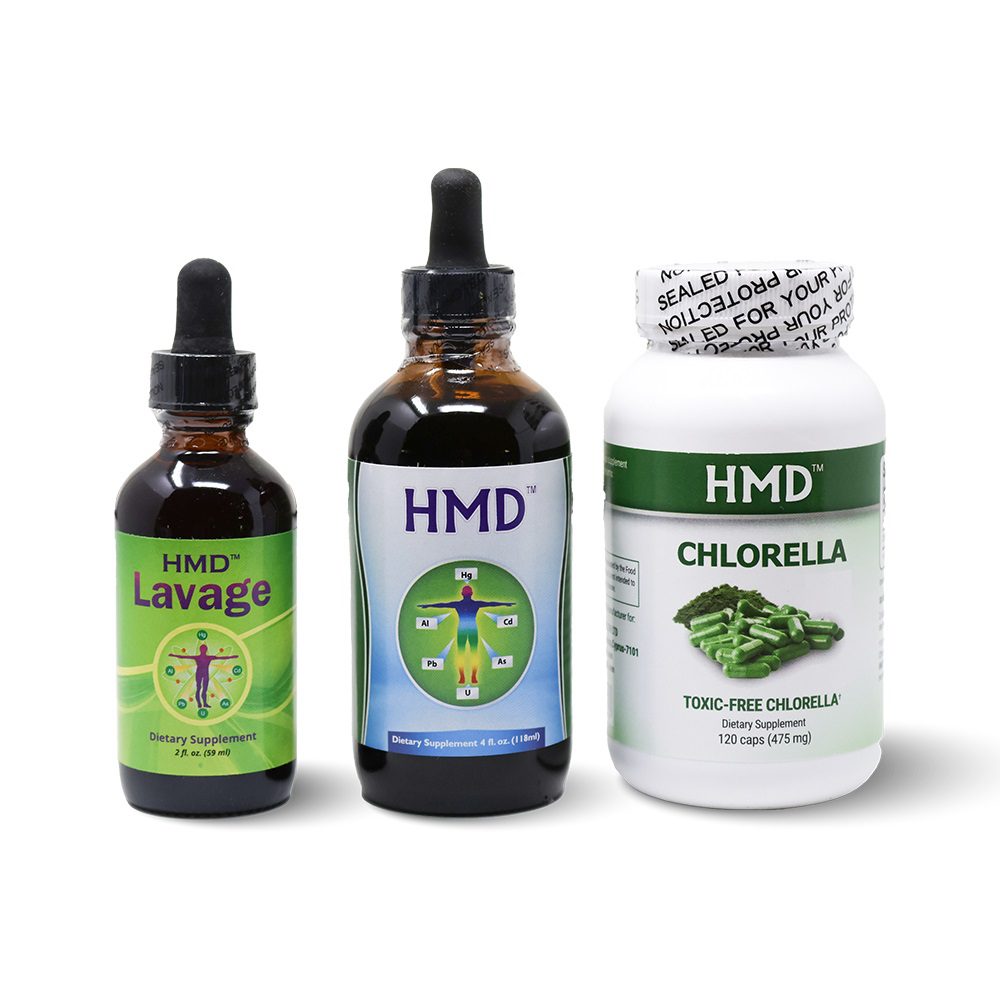
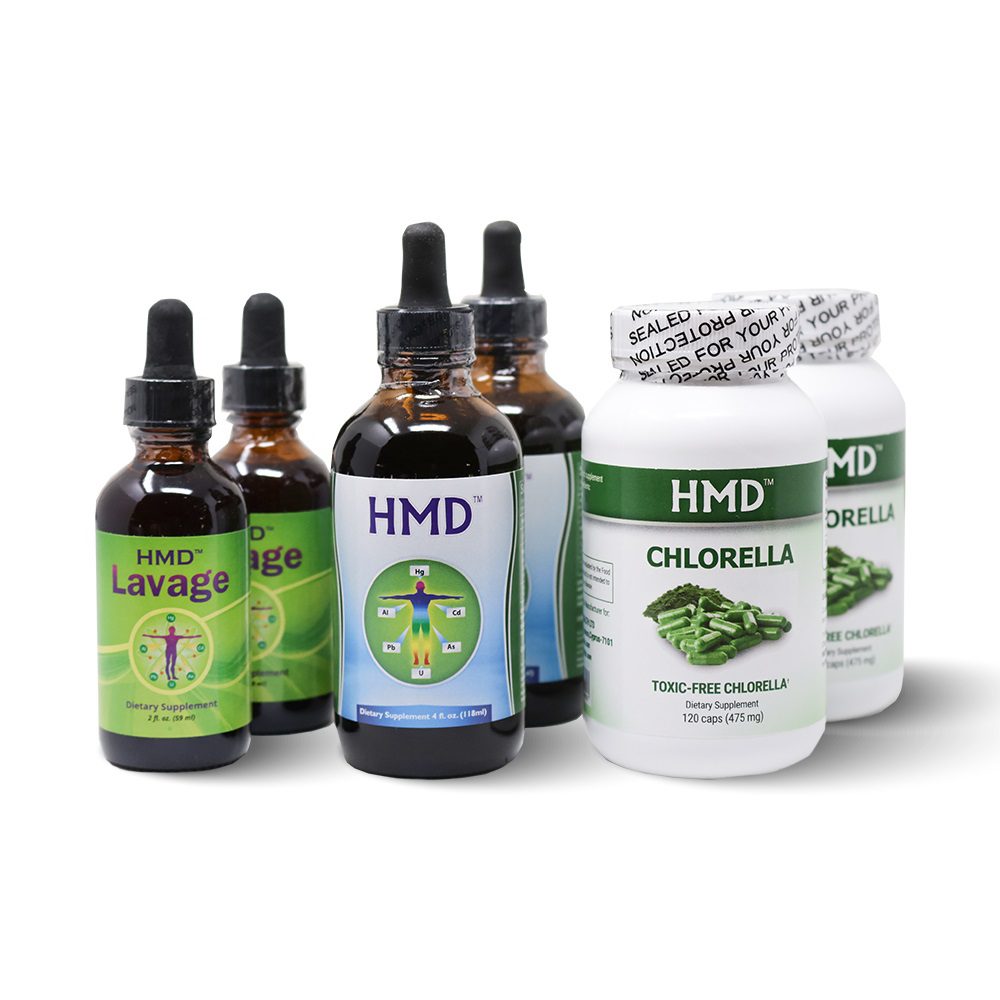
In clinical practice, the HMD (Heavy Metal Detox) protocol, developed by Dr. George Georgiou, is designed to support detoxification safely.
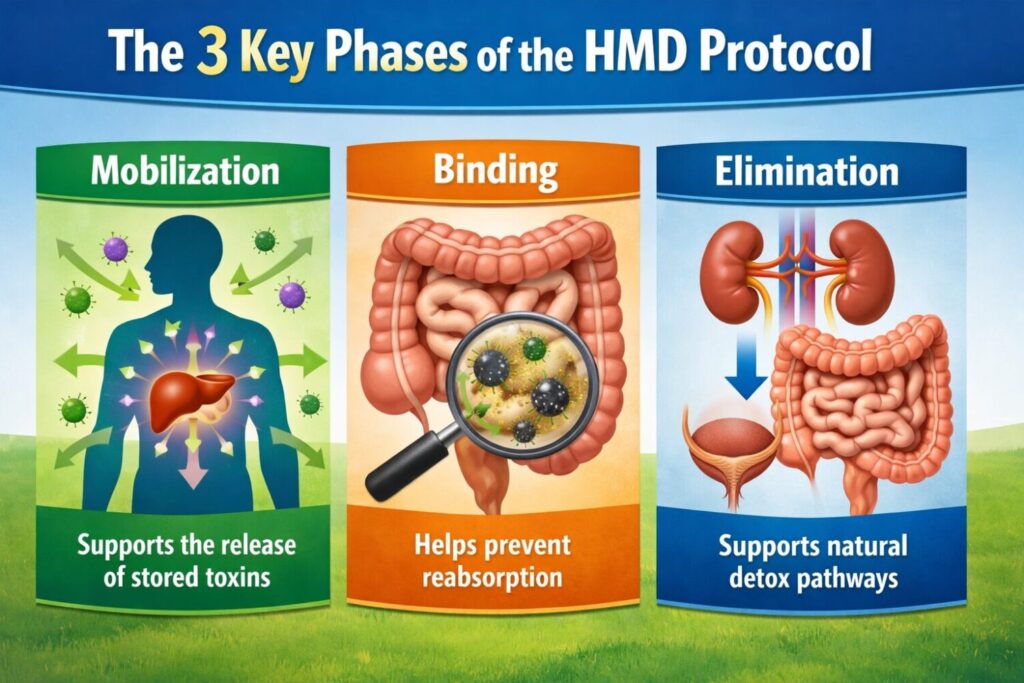
Key Ingredients
The protocol includes natural compounds such as:
These are selected to:
Many detox programs fail because they:
This can lead to:
The HMD protocol focuses on gradual, controlled detoxification.
To support thyroid function alongside detox:
Nutrients
Diet
Focus on:
Gut Health
The gut plays a key role in immune and hormonal balance.
Addressing toxic burden may provide an important missing link in persistent thyroid symptoms.
The goal is not just symptom management—but restoring balance at a deeper level.
References



PODCAST: HEAVY METALS IN BABY FOODS Heavy Metals in Baby Foods Why Parents Are Asking Better Questions Why This Conversation Matters There are few things more personal than feeding

PODCAST: HEAVY METALS IN A MODERN LIFESTYLE Heavy Metals in a Modern Lifestyle The New Detox Problem How everyday food, air, water, products and technology may be adding to our

PODCAST: Wildfire Smoke, Toxic Ash, and Heavy Metals in Our Air Wildfire Smoke, Toxic Ash and Heavy Metals The Hidden Side of Air Pollution Wildfire smoke is no longer