

HEAVY METALS & LIFESTYLE

Heavy Metals Are Still a Modern Health Problem
Heavy Metals: A Silent Threat to Modern Health And What to Do About It A lot of people still think heavy metal toxicity is an old-world problem — something tied
Home » Health Articles » Signs You Might Be Dealing with Toxicity (Without Paranoia)
Let me start with a confession: I have a love–hate relationship with the word “toxins.” I love it because it captures something real—modern life comes with exposures our grandparents didn’t sign up for. I hate it because it’s become this spooky, vague umbrella term that can make people feel like they’re one smoothie away from disaster.
So today I want to do this properly: no fear-mongering, no “everything is toxic,” no doom-scrolling. Just a calm, practical way to think about toxicity—especially heavy metals—with enough simple science to make it credible, and enough real-life language to make it usable.
If you’re reading this because you feel “off” and you’re wondering if toxicity is part of the story, here’s the promise: by the end, you’ll be able to say one of three things with more confidence:
One of the biggest misconceptions is that detox is something you “do” once in a while, like a spring clean.
In reality, your body is detoxing all the time—mainly through:
When people talk about “Phase 1 and Phase 2 detox,” they’re usually referring to liver metabolism—a set of enzyme-driven steps that transform chemicals so the body can eliminate them. In simple terms: Phase I often modifies a compound, and Phase II often binds it to something (like glutathione) to make it easier to remove.
Glutathione comes up a lot because it’s one of the body’s major protective molecules. Think of it like a biochemical “helper” that can neutralize reactive compounds and support their safe handling and removal.
So, the goal isn’t to “force detox.” The goal is to stop overloading the system and support the exit routes so your body can do what it already knows how to do.
Here’s where people get stuck: the symptoms of toxicity are often boring and non-specific. That doesn’t mean they aren’t real. It just means a single symptom can’t prove anything.
What raises my suspicion is a pattern like this:
Pattern A: Multi-system symptoms
Not just one complaint, but a cluster across different body systems, like:
Pattern B: Chronic + stubborn
Symptoms that drag on for months/years and don’t respond well to the usual basics (sleep, diet tweaks, supplements, “healthy living”).
Pattern C: Exposure history
You don’t have to have a dramatic exposure event. Even low-to-moderate exposures, repeated over time, can matter—especially if your nutrition, gut, stress load, or genetics make you less resilient.
When those three patterns line up—multi-system + chronic + exposure—I stop guessing and start assessing.
Let’s go through the most common “toxicity-style” complaints. This is not a diagnosis list—this is a “does this sound like you?” list.
1) Brain + nervous system clues
These kinds of symptoms are often discussed in heavy metal exposure contexts (especially lead and mercury), though they overlap with many other issues too. For lead, early neurological-type symptoms can include irritability, headache, poor attention, memory issues and more.
2) Gut and “elimination” clues
A key idea: if the gut is sluggish, the body can recycle compounds it was trying to send out (this is part of enterohepatic recycling, especially with bile-related compounds). Slow transit can increase recycling of bile acids.
3) Energy and resilience clues
4) Skin + hair clues
5) Inflammation “vibes”
People describe this as:
Again: not exclusive to toxicity—but when it stacks with exposure history, it becomes more interesting.
This is where we get practical. If you’re wondering about toxicity, ask: “Could I realistically be getting exposed?”
Here are common heavy metal-related exposure buckets:
Lead (still a thing)
Lead exposure can come from older housing (paint/dust), certain jobs (construction, battery work, renovation, auto work), and other environmental sources. Many adults don’t feel obviously sick, which is why it can be missed.
Mercury (the fish question + other sources)
Mercury is often discussed in relation to seafood choices and environmental exposures. Mercury is well known for nervous system effects at higher exposure levels.
Arsenic (water + food)
Long-term exposure to inorganic arsenic—often through contaminated water—has been linked with characteristic skin changes and other serious health outcomes.
Cadmium (smoking and industrial exposure)
Cadmium is often associated with smoking and certain industrial sources, and is discussed for kidney/bone effects over time (more of a long-game exposure). (If this is your main concern, it’s worth discussing appropriate medical testing with a clinician.)
You don’t need to identify the “perfect source.” You’re just looking for a reasonable “yes, possibly” versus “honestly, probably not.”
Here’s my go-to self-assessment. You can literally score this 0–10.
Give yourself 1 point for each “yes”:
How I interpret it:
This isn’t a medical tool—just a reality check that keeps you out of paranoia territory.
If you want something more structured, DetoxMetals has a Heavy Metal Toxicity Questionnaire that lists common symptoms and gives you a score range (minimal → very high). It’s a quick way to turn a vague “I feel gross” into a measurable pattern.
And importantly: it also helps you decide what to do next—whether you start with lifestyle steps, consider a protocol, or move straight to testing.
This is where I want to keep you grounded.
A lot of “toxicity symptoms” are also classic signs of:
So if you’re checking boxes on fatigue and brain fog, don’t jump straight to metals. Instead, ask:
If not, do that in parallel. You don’t have to pick one theory like it’s a football team.
The calm way to test: Hair Mineral Analysis + Toxic Metals
If you’ve got the symptom pattern and a plausible exposure history, testing can be a smart move—because it moves you from emotion (“I feel toxic”) to information (“Here’s what we actually measured”).
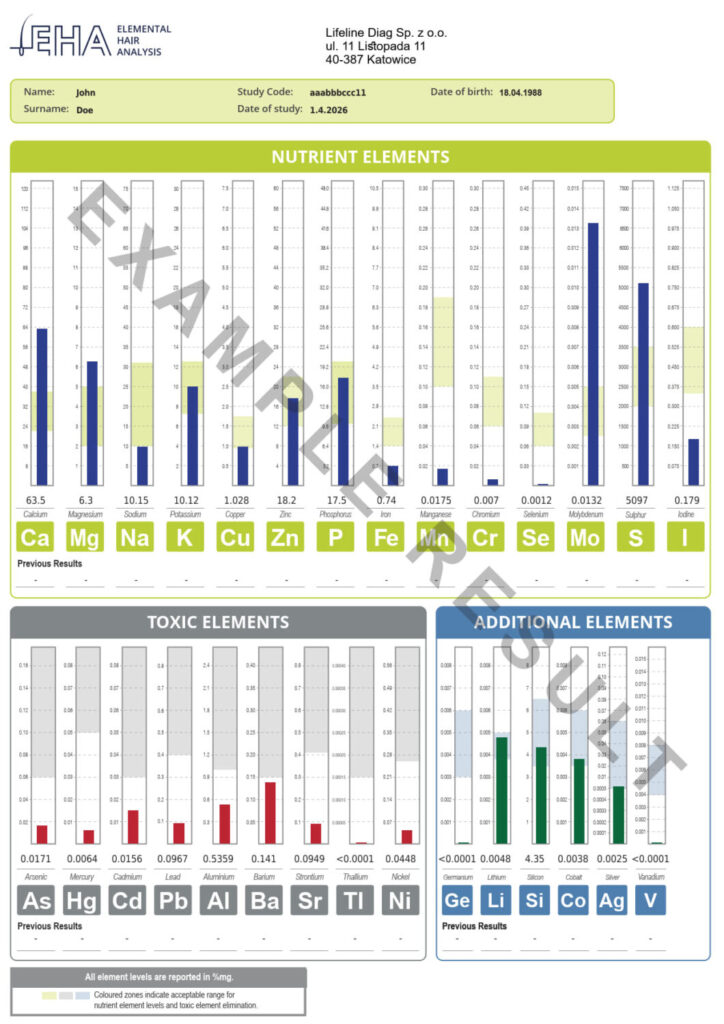
The HMD® Hair Mineral Analysis and Toxic Metals Test on DetoxMetals measures:
It uses ICP-MS (Inductively Coupled Plasma Mass Spectrometry), which is a very sensitive lab method for measuring trace elements.
Hair testing can be useful as a screening tool and for tracking trends. It can show which elements are present in the hair over the growth window, and how mineral patterns look.
Hair levels are not always a perfect marker of internal “body burden,” and results can be influenced by external contamination (hair dyes/products, environmental exposure on the hair, etc.). That’s why results should be interpreted carefully and, when needed, followed up with appropriate clinical testing (blood/urine depending on the situation).
I’m not saying that to downplay hair testing—I’m saying it because the best results come from smart interpretation, not panic.
Here’s the approach I like (and it keeps you sane):
Step 1: Use symptoms + exposure to decide if testing makes sense
Questionnaire + the 10-question self-check above.
Step 2: Collect properly
Follow the official collection instructions carefully (this matters more than people think).
Step 3: Read results like a detective, not a drama queen
Instead of “Oh no, I have mercury,” ask:
Step 4: Think in trends, not snapshots
One test is a photo. Two tests (with a consistent plan in between) becomes a story.
Even before testing (or while you wait for results), these are the boring steps that make everything work better:
Not glamorous. Extremely effective.
If you suspect a high exposure event (work accident, industrial exposure, severe symptoms after a known source), that’s not a blog-problem—that’s a medical evaluation problem.
Also, if you have severe neurological symptoms (confusion, severe weakness, severe tremor, new seizures, etc.), don’t self-diagnose.
Toxicity isn’t a ghost story. It’s not “everything is toxic and we’re doomed.” It’s a practical question:
If the answer is yes, do it calmly:
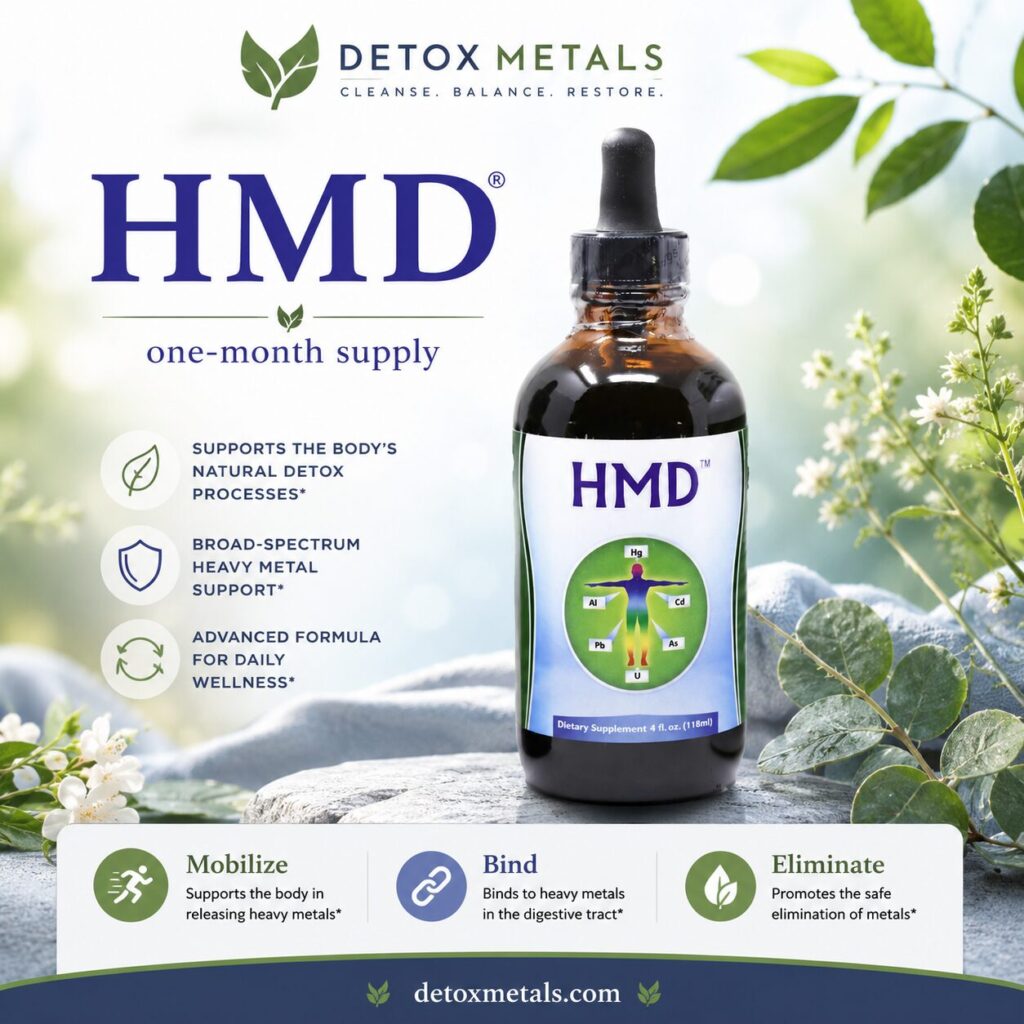
Before you detox, test first. Discover your toxic metal burden and mineral balance with the HMD® Hair Mineral Analysis & Toxic Metals Test.
(3 customer reviews)
125.00 €
Processed by a certified laboratory using ICP-OES Spectrometry
Already have your lab results? Skip to Step 2 and choose your clinical HMD® Protocol below.
More prolonged to remove deeper toxins
$285 $213.75
(Save 35%)
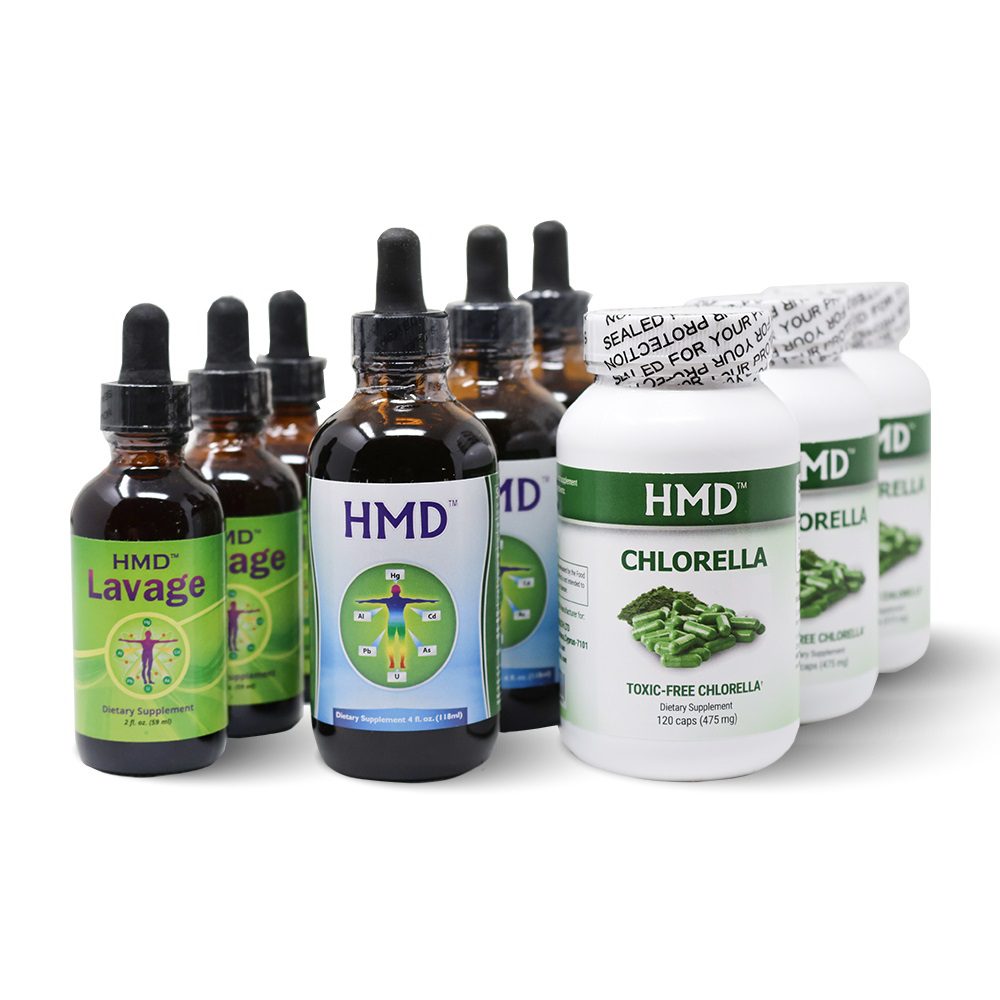
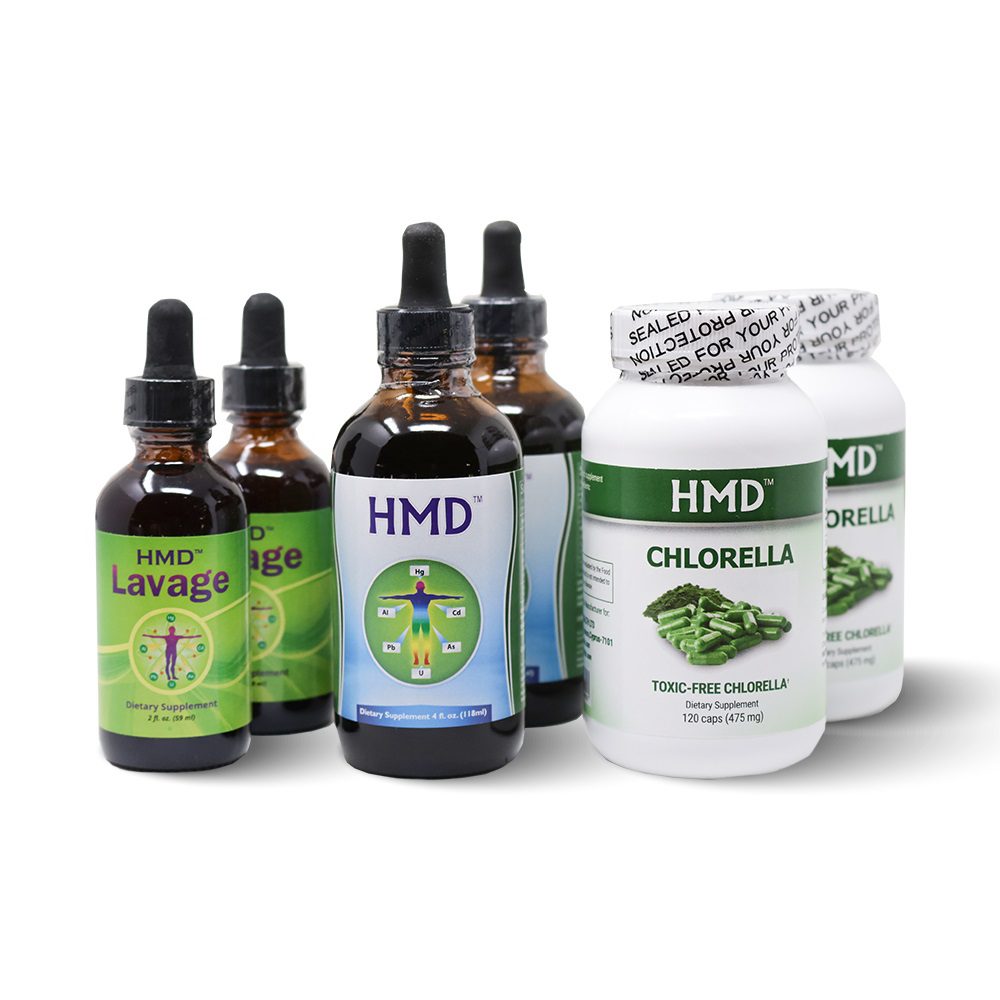
This 90-Day detox will help to eliminate a considerable load from the body.
$427 $256.20
(Save 45%)
Many people continue for 60 or 90 days depending on symptom history and exposure levels.






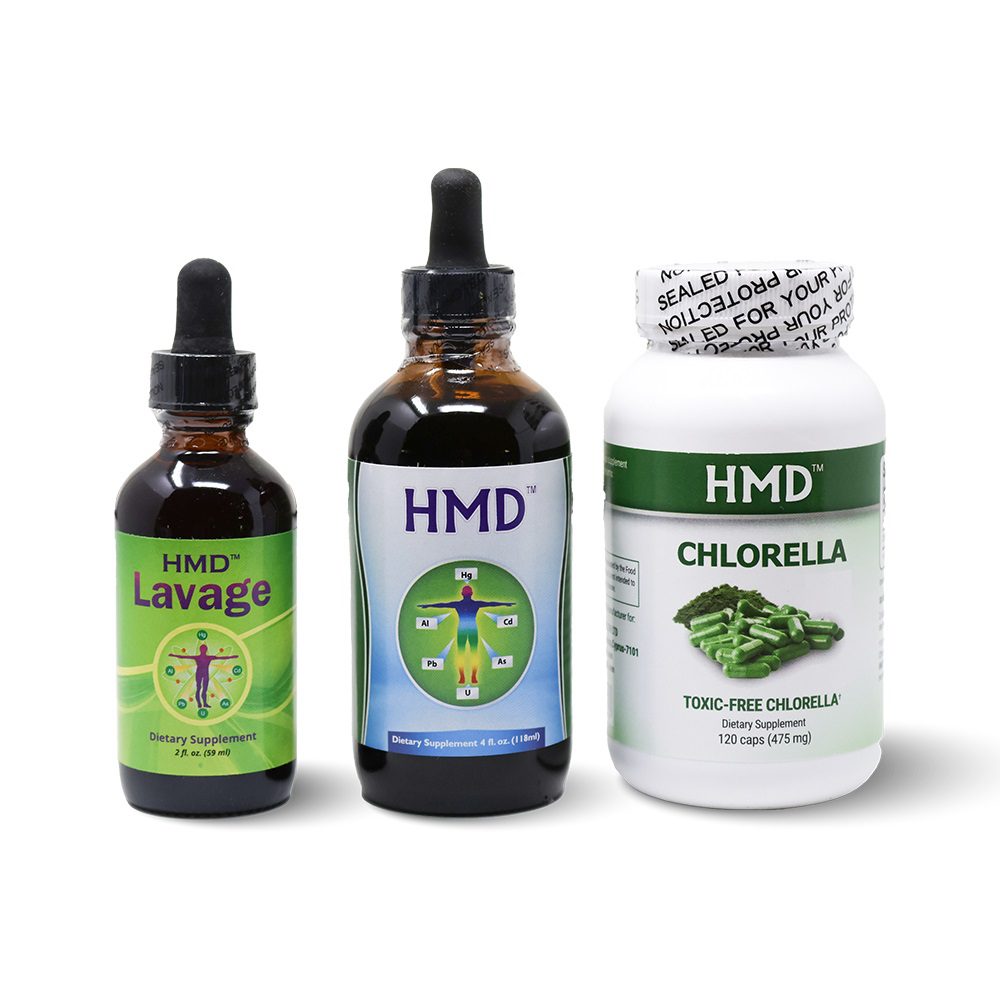
Alkaline Detox Diet best body detox best detox kit best detox supplements best full body detox best heavy metal detox best heavy metal detox for adults best herbal detox best metal detox best thc detox kit body cleanse supplements body detoxification supplements children and heavy metals chlorella detox Copper Toxicity in Drinking Water detox kit detox pack detox supplements detox tablets early symptoms of heavy metal toxicity full body detox kit hair mineral analysis heavy metal detox Heavy Metal Detox Benefits Heavy Metal Detox Diet heavy metal detox kit heavy metals detox Heavy Metals Drinks heavy metals in food heavy metals thyroid HMD Heavy Metal Detox HMD Ultimate Detox Pack Mercury Detox mercury thyroid effects Natural Heavy Metal Detox natural supplement for aluminum ORGANIC CHLORELLA pure body detox pure body extra detox Sources of Copper Exposure thyroid dysfunction causes toxic metal detox toxic metals in food ultimate detox What is a Homaccord
Heavy Metals: A Silent Threat to Modern Health And What to Do About It A lot of people still think heavy metal toxicity is an old-world problem — something tied

A major 2025 study found that 14–17% of the world’s cropland may be contaminated with toxic metals. Here’s what that means for your food and your health. Heavy Metals

A Conversation on Inner Detox Today I want to speak about a different kind of healing. Many people know Dr. Georgiou for his work in the field of physical detox