Home » Health Articles » How Do You Know If You’re Dealing with Heavy Metal Toxicity?
If you’ve ever thought, “Why do I feel off… and nothing I do seems to fix it?”—you’re not alone. Heavy metals are one of those sneaky, modern-life exposures that can quietly pile up in the background. But how do you know if your dealing with heavy metal toxicity? And the tricky part is this: the symptoms can look like a dozen other things.
So, in this article, I’m going to walk you through:
Along the way I’ll keep it real: hair testing can be very useful, but it’s not magic, and it needs sensible interpretation.
“Heavy metals” is a broad term, but in health conversations we’re usually talking about toxic elements like lead, mercury, cadmium, arsenic, and others that can interfere with normal biology.
These metals can:
Different metals have different “favorite targets.” For example:
That’s the science-y backbone. Now let’s bring it down to earth.
The real-life problem: symptoms are often vague
Most people don’t walk around saying, “Ah yes, I have heavy metal toxicity.” They say things like:
And the frustrating part? Those symptoms can also come from stress, sleep apnea, thyroid issues, nutrient deficiencies, gut dysbiosis, mold exposure, blood sugar problems… the list is long.
So, here’s how I think about it:
Heavy metals become a stronger suspect when symptoms are chronic, multi-system (more than one body area), and don’t respond well to the usual basics—especially when you also have clear exposure risks.
Below are symptom clusters that come up again and again in metal-exposed people. This doesn’t diagnose anything by itself—it’s just pattern recognition.
1) Brain + nervous system
These are especially common in mercury and lead discussions.
2) Digestive + gut
3) Energy + metabolism
4) Skin, hair, nails
5) Immune + inflammation
Symptoms matter, but I always pair them with exposure questions. Here are the big ones:
If you answered “yes” to several of those and you have multi-system symptoms, that’s when I start thinking let’s assess more formally.
A simple self-assessment you can do today (with scoring)
DetoxMetals has a ready-made Heavy Metal Toxicity Questionnaire that turns “random symptoms” into something you can score.
Here’s how it works:
And the symptom list is very practical—fatigue, brain fog, digestive issues, skin changes, headaches, mood changes, tingling/numbness, sleep issues, dizziness, hair/nail changes, and more (it runs all the way to 49 items).
My take: questionnaires are not a diagnosis, but they’re excellent for answering one key question:
“Is this a random bad week… or is there a consistent pattern worth investigating?”
If your score lands in the High or Very High range, I consider that a strong nudge to move from guessing → testing.
Let’s talk about hair mineral analysis honestly.
Why hair testing can be helpful
Hair can contain metals because, as it grows, it can incorporate elements that were circulating during that growth window. It’s also:
DetoxMetals’ own HTMA (Hair Tissue Mineral Analysis) guidance frames it in exactly that “trend tool” way: useful for monitoring patterns across a roughly ~ 2 month growth window, but not a perfect scoreboard of deep tissue storage.
Why hair testing needs caution
Major health authorities and peer-reviewed papers point out limitations like external contamination (hair products, dye, occupational dust) and inconsistent interpretation between labs.
So, here’s the balanced truth:
That’s exactly the clinical approach described on DetoxMetals: baseline → follow a consistent plan for ~8 weeks → retest and compare changes over time.
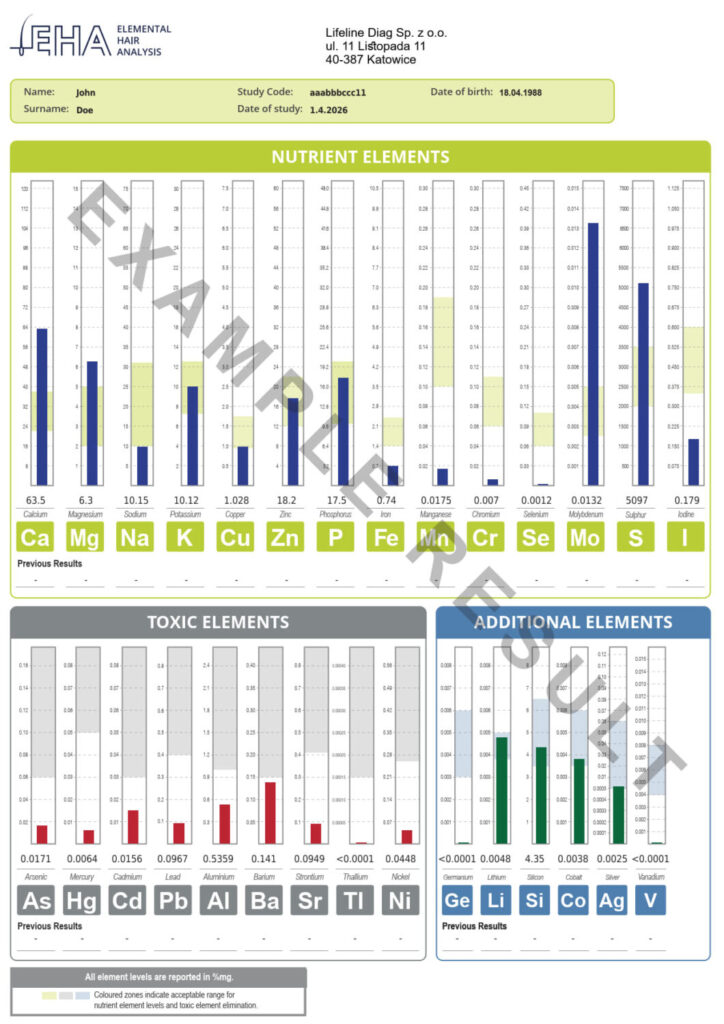
The HMD® Hair Mineral Analysis & Toxic Metals Test on this site uses modern instrumentation—specifically Inductively Coupled Plasma Mass Spectrometry (ICP-MS)—capable of detecting elements down to very tiny concentrations (parts per billion).
What it measures
According to the product description, the test measures:
1) 8 toxic/heavy metals:
2) 29 minerals and trace elements, including big ones like:
3) Mineral ratios
These are important because mineral balance can hint at stress patterns and metabolic issues. The report includes ratios like:
4) Ratios of toxic metals to minerals
These are interesting because they can help interpret whether protective minerals (like selenium, zinc, sulphur) are relatively strong or depleted compared with certain toxic metals. Examples listed include:
Once the lab receives and processes your sample, DetoxMetals sends a personal report (described as about 10–12 pages) with detailed results and recommendations.
“But how does ICP-MS actually measure metals in hair?”
Without going too deep into lab-geek mode:
This is why ICP-MS is widely used in trace element analysis, and why DetoxMetals highlights its sensitivity.
Here’s the workflow I recommend if you want the most meaningful result.
Step 1) Do the symptom + exposure check first
Start with the questionnaire and the exposure questions.
If your symptom score is High or Very High, that’s a reasonable point to test rather than guess.
Step 2) Take collection instructions seriously
Hair testing quality is only as good as the sample.
DetoxMetals notes that after purchase you’ll be able to download the submission form and detailed collection instructions, and you’ll send the sample to the appropriate address (USA lab for USA/Canada; Cyprus for others).
My practical tips (common-sense additions):
The HTMA guidance page also emphasizes that outside factors (dye, pool exposure, occupational dust, shampoos, contamination) can influence results—so clean collection matters.
Step 3) Interpret results as a pattern, not a single scary number
Hair testing shines when you look at:
And importantly: if something looks extreme or alarming, it’s smart to confirm with a clinician using other testing where appropriate (blood/urine depending on the metal and timing). This cautious approach is supported by medical discussions of hair testing pitfalls.
Step 4) Retest to track change
DetoxMetals’ clinical approach suggests:
That’s the piece many people miss. One test is a snapshot. Two or three tests create a story.
I’m most likely to recommend the HMD hair test when someone has:
The point isn’t to obsess over metals.
The point is to stop guessing and get data.
If you suspect acute heavy metal poisoning (sudden severe symptoms after a clear exposure), that’s a medical situation. Hair testing is not the urgent tool for that—medical evaluation is.
And if your hair test shows concerning results, don’t panic-detox. The safest approach is structured and steady, ideally with professional guidance—especially for people who are pregnant, breastfeeding, or medically complex.
If you’re trying to figure out whether heavy metals might be part of your health puzzle, here’s the simplest path:
Before you detox, test first. Discover your toxic metal burden and mineral balance with the HMD® Hair Mineral Analysis & Toxic Metals Test.
(3 customer reviews)
125.00 €
Processed by a certified laboratory using ICP-OES Spectrometry
Already have your lab results? Skip to Step 2 and choose your clinical HMD® Protocol below.
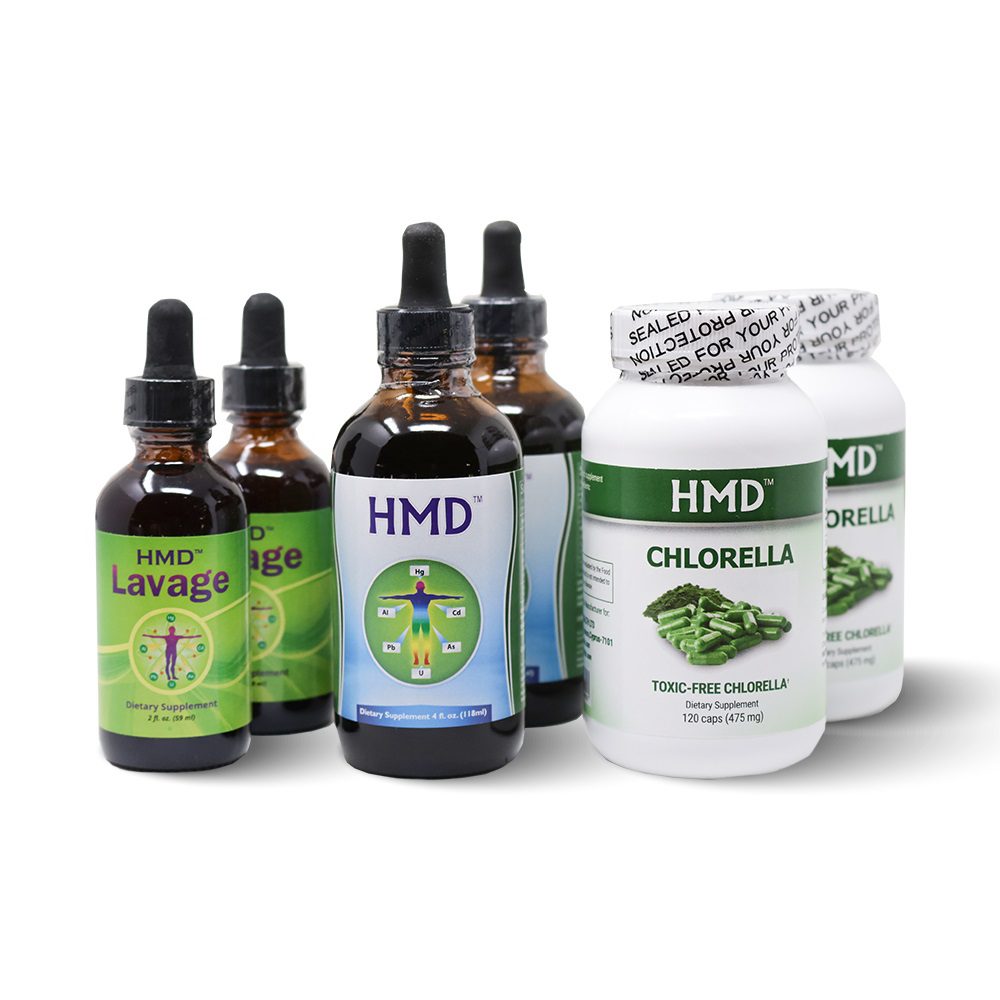
More prolonged to remove deeper toxins
$285 $213.75
(Save 35%)
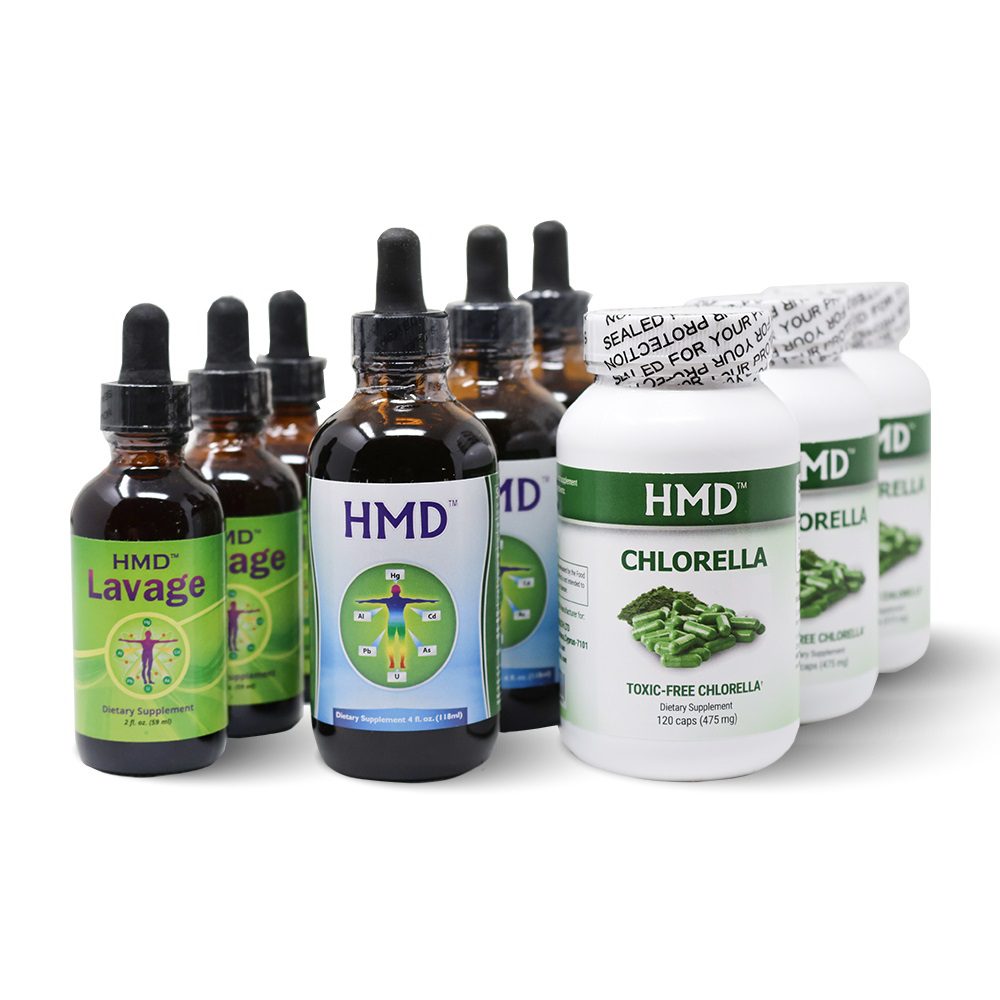
This 90-Day detox will help to eliminate a considerable load from the body.
$427 $256.20
(Save 45%)
Many people continue for 60 or 90 days depending on symptom history and exposure levels.






Alkaline Detox Diet best body detox best detox kit best detox supplements best full body detox best heavy metal detox best heavy metal detox for adults best herbal detox best metal detox best thc detox kit body cleanse supplements body detoxification supplements children and heavy metals chlorella detox Copper Toxicity in Drinking Water detox kit detox pack detox supplements detox tablets early symptoms of heavy metal toxicity full body detox kit hair mineral analysis heavy metal detox Heavy Metal Detox Benefits Heavy Metal Detox Diet heavy metal detox kit heavy metals detox Heavy Metals Drinks heavy metals in food heavy metals thyroid HMD Heavy Metal Detox HMD Ultimate Detox Pack Mercury Detox mercury thyroid effects Natural Heavy Metal Detox natural supplement for aluminum ORGANIC CHLORELLA pure body detox pure body extra detox Sources of Copper Exposure thyroid dysfunction causes toxic metal detox toxic metals in food ultimate detox What is a Homaccord


PODCAST: HOW HEAVY METAL EXPOSURE CHANGES THROUGHOUT LIFE The Heavy Metal Exposure Timeline How Toxic Metal Exposure Changes Throughout Life From Before Birth to Healthy Ageing Heavy metal exposure
PODCAST: THE LOW-MERCURY SEAFOOD GUIDE Don’t Avoid Fish — Choose Smarter! The Low-Mercury Seafood Guide Fish, Mercury and the Smart Seafood Strategy Fish is one of the most

PODCAST: LEAD & CADMIUM IN CHOCOLATE Dark Chocolate, Cacao and Cadmium The Uncomfortable Truth About a “Healthy Treat” Is Dark Chocolate Still Healthy? The Lead and Cadmium Question Dark