Home » Health Articles » What’s Really Hiding in Your Protein Powder?
Protein powders are popular, convenient and often marketed as healthy — but some may contain unwanted heavy metals such as lead, cadmium, arsenic and mercury. Here’s what the science says, why it happens, and how to choose more wisely.
Protein powder has become one of those “healthy lifestyle” products that almost everyone seems to have in the cupboard. Gym-goers use it after training. Busy parents add it to smoothies.
People trying to lose weight use it as a meal replacement. Older adults may use it to maintain muscle. And many people feel reassured by the idea that more protein equals better health.
I understand the appeal. Protein is essential. We need it for muscle repair, immune function, enzymes, hormones, healthy ageing and blood sugar balance. The issue is not the protein itself. The issue is that many protein powders are not as clean as their labels suggest.
Over the last few years, independent testing has raised an uncomfortable question: are some protein powders giving us more than protein?
The answer, unfortunately, appears to be yes. Some products have been found to contain unwanted contaminants, including lead, cadmium, arsenic and mercury.
These are often called heavy metals, although technically not all toxic elements fall neatly into that category. What matters most is this: they are not nutrients the body wants in excess, and repeated exposure over time is something we should take seriously.
This does not mean everyone should panic and throw away every tub of protein powder. It does mean we should become more selective, more informed, and less dazzled by marketing words like “natural,” “organic,” “plant-based,” or “clean.”
In 2025, Consumer Reports tested 23 popular protein powders and ready-to-drink shakes. Their investigation found that more than two-thirds of the products tested contained more lead in a single serving than Consumer Reports’ food safety experts considered safe to consume in a day.
Their level of concern was 0.5 micrograms of lead per day. The report also noted that lead contamination appeared more common than when Consumer Reports tested protein products 15 years earlier.
One of the most striking findings was the difference between product types. In the Consumer Reports testing, plant-based protein products had, on average, about nine times the lead found in dairy-based proteins such as whey, and about twice the lead found in beef-based products. Dairy-based products generally performed better, although not all were completely free of concern.
That last point is important. This is not about demonising plant-based eating. Lentils, beans, peas, nuts, seeds and whole grains can be excellent foods. But when plant ingredients are grown in contaminated soil, concentrated into powders, flavoured, processed, packaged and then consumed daily, the exposure picture can change.
A spoonful of pea protein powder is not the same as eating a bowl of peas.
Heavy metals can enter protein powders in several ways.
The first route is through the soil. Plants absorb minerals from the ground. That is normally a good thing, because plants take up nutrients such as magnesium, potassium and zinc.
But they can also take up unwanted elements, including lead, cadmium and arsenic, especially if the soil has been contaminated by industrial pollution, old leaded petrol residues, mining, phosphate fertilisers, sewage sludge, polluted irrigation water or natural geology.
The FDA explains that lead may be present in food because of the environment where foods are grown, raised or processed. It also notes that lead has entered the environment through past use in paint, petrol, plumbing materials and other products.
The second route is processing and manufacturing. Protein powders go through multiple steps: harvesting, extraction, drying, flavouring, blending and packaging. Each step introduces opportunities for contamination if raw materials, equipment, additives or facilities are not carefully controlled.
A 2025 study published in the Journal of Nutritional Science looked at heavy metal content in 22 protein powders available on the Hungarian market. In that study, arsenic, cadmium, mercury and lead were generally low or undetectable, which is reassuring.
But the authors still concluded that consumer safety remains uncertain because the supplement industry relies heavily on voluntary compliance, and they recommended monitoring protein powders for contamination, especially products from grey markets or questionable sources.
That is a balanced way to look at the issue. Not every product is contaminated. Not every powder is dangerous. But the quality varies, and consumers often have very little way of knowing what is actually inside the tub.
One of the biggest misunderstandings in natural health is the idea that organic always means toxin-free.
Organic farming avoids many synthetic pesticides and fertilisers, which is valuable. But organic certification does not magically remove lead, cadmium or arsenic from soil. If a plant grows in soil containing these elements, it may absorb some of them whether it is organic or not.
This may be one reason some plant-based or organic protein powders have performed poorly in independent testing. Plant proteins are often made from peas, rice, hemp, soy, pumpkin seed or other crops. These crops are grown in real soil, in real environments, and environmental contamination does not respect marketing claims.
This is also why I prefer the phrase “tested clean” over simply “clean label.” A clean-looking label is not enough. A short ingredient list is not enough. What matters is whether the finished product has been properly tested for contaminants.
When we talk about heavy metals in protein powders, four names usually come up: lead, cadmium, arsenic and mercury.
Lead is probably the most concerning because there is no known safe level of lead exposure. The FDA states that lead is toxic to humans and can affect people of any age, with risks depending on the amount, frequency and duration of exposure, along with age and nutritional status. It also links chronic lead exposure in adults with kidney dysfunction, hypertension and neurocognitive effects.
Children and pregnant women are especially vulnerable. The CDC states that no safe blood lead level in children has been identified, and even low levels are associated with developmental delays, learning difficulties and behavioural issues.
Cadmium is another concern because it can accumulate in the body over time, particularly in the kidneys. Cadmium exposure is often associated with contaminated soil, cigarette smoke, industrial pollution and certain foods. In the context of protein powders, plant-based ingredients and chocolate flavouring are often discussed as possible contributors.
Arsenic can be present in some plant foods, especially rice and rice-derived ingredients. This matters because some protein powders use rice protein or rice-based fillers. Arsenic exists in different forms, with inorganic arsenic being the more toxic form.
Mercury is better known as a concern in certain fish, but it can also appear in environmental testing panels for supplements. It is usually less of a protein powder issue than lead or cadmium, but it still belongs on the testing list.
The risk from a protein powder is not only about what is in one scoop. It is about how often that scoop is used.
A product with a small amount of lead may not be a dramatic concern if used occasionally. But if someone uses it every morning, adds it to smoothies, drinks protein shakes after workouts, eats protein bars in the afternoon and uses fortified meal replacements, that exposure may become part of a daily pattern.
This is where I think the “wellness” industry sometimes loses perspective. Many people now consume protein products like medicine: every day, without question, for months or years. Some use two or three servings a day.
Others combine powders with pre-workouts, greens powders, collagen blends, amino acids, fat burners and multivitamins. That means the total exposure may come from several products, not just one.
Consumer Reports made a similar point, noting that many protein powders are not occasional treats but part of a daily routine. Their experts advised against daily use for most protein powders, especially when safer whole-food protein sources are available.
Some people do need extra protein. Athletes, older adults, people recovering from illness, those with poor appetite, and people on restricted diets may benefit from extra support.
But the average person may not need as much supplemental protein as marketing suggests.
The adult RDA for protein is commonly given as 0.8 grams per kilogram of body weight per day, although some researchers argue that higher intakes may be useful for certain groups, especially older adults or people trying to preserve lean muscle.
So, for example, a 70 kg adult would have a basic RDA of about 56 grams of protein per day. Many people can reach this through food: eggs, fish, poultry, Greek yoghurt, lentils, beans, tofu, nuts, seeds, quinoa and other whole foods.
The mistake is assuming that because protein is good, more and more protein must be better. That is not always true. The body needs balance. It needs fibre, minerals, antioxidants, healthy fats, water and a functioning digestive system too.
Many people assume that if a supplement is on the shelf, someone has already checked that it is safe. That is not how the system works in the United States.
The FDA explains that it does not have the authority to approve dietary supplements for safety and effectiveness before they are sold to the public. Under current law, companies are responsible for ensuring that their products meet safety standards, and the FDA’s role often begins after products are already on the market.
This does not mean all supplement companies are careless. Many are excellent and invest heavily in quality control. But it does mean consumers should not assume every product has been independently tested simply because it looks professional.
When it comes to protein powders, I would want to see evidence of testing for:
Third-party testing is not perfect, but it is better than blind trust.
If you use protein powder, I would not make the decision based only on flavour, price or influencer recommendations. I would look for transparency.
A better protein powder should ideally have:
Third-party testing. Look for independent testing from credible organisations or a company that provides a recent certificate of analysis.
Heavy metal screening. The company should be willing to disclose testing for lead, cadmium, arsenic and mercury.
Batch-specific data. Testing should not be a vague “we test our products” statement. Ideally, it should be connected to the actual batch being sold.
Simple ingredients. The longer the ingredient list, the more opportunities there are for additives, flavourings and fillers.
No exaggerated claims. Be cautious with products promising rapid fat loss, hormone changes, detox miracles or disease treatment.
Moderate use. Even a cleaner powder should not replace a varied diet.
I also suggest rotating protein sources. Instead of relying on the same powder every day for years, vary your diet. Use eggs one day, lentils another, fish another, yoghurt another, and protein powder only when genuinely convenient or necessary.
When we talk about heavy metals, people naturally ask: “How do I get them out?”
The first step is always to reduce exposure. The body cannot keep up if we keep pouring toxins in. Choosing cleaner supplements, filtering water where appropriate, eating a varied diet and being careful with contaminated products are all part of the foundation.
The second step is supporting the body’s normal elimination routes: bowels, bile, liver, kidneys, lymph and sweat. This does not have to be extreme. In fact, I prefer gentle, consistent support over harsh detox regimes.
A sensible detox-support plan may include:
For people who are concerned about ongoing exposure, a structured heavy metal detox protocol may be useful. But I would never start with panic. I would start with information, testing where appropriate, and a practical plan.
For anyone concerned about regular exposure to heavy metals — whether from protein powders, food, water, cosmetics, dental materials, pollution, or other everyday sources — the goal is not to panic, but to have a sensible support plan.
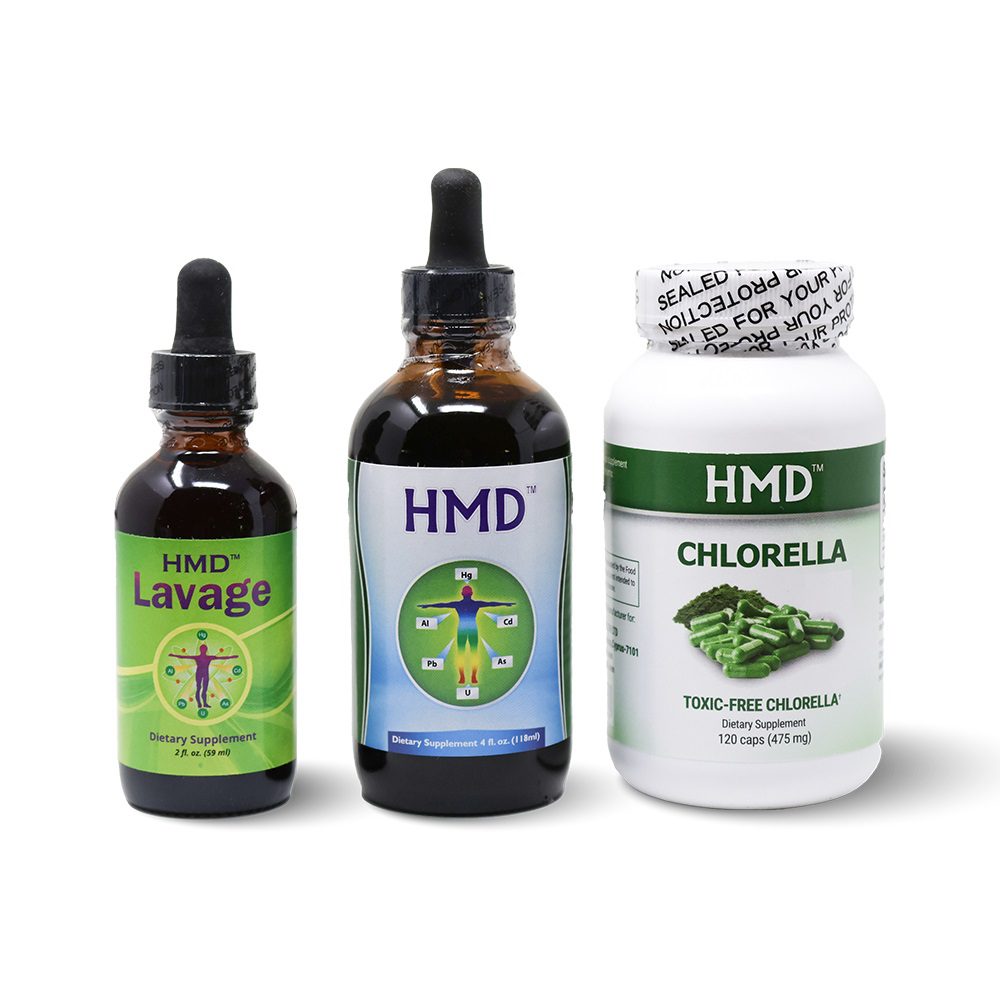
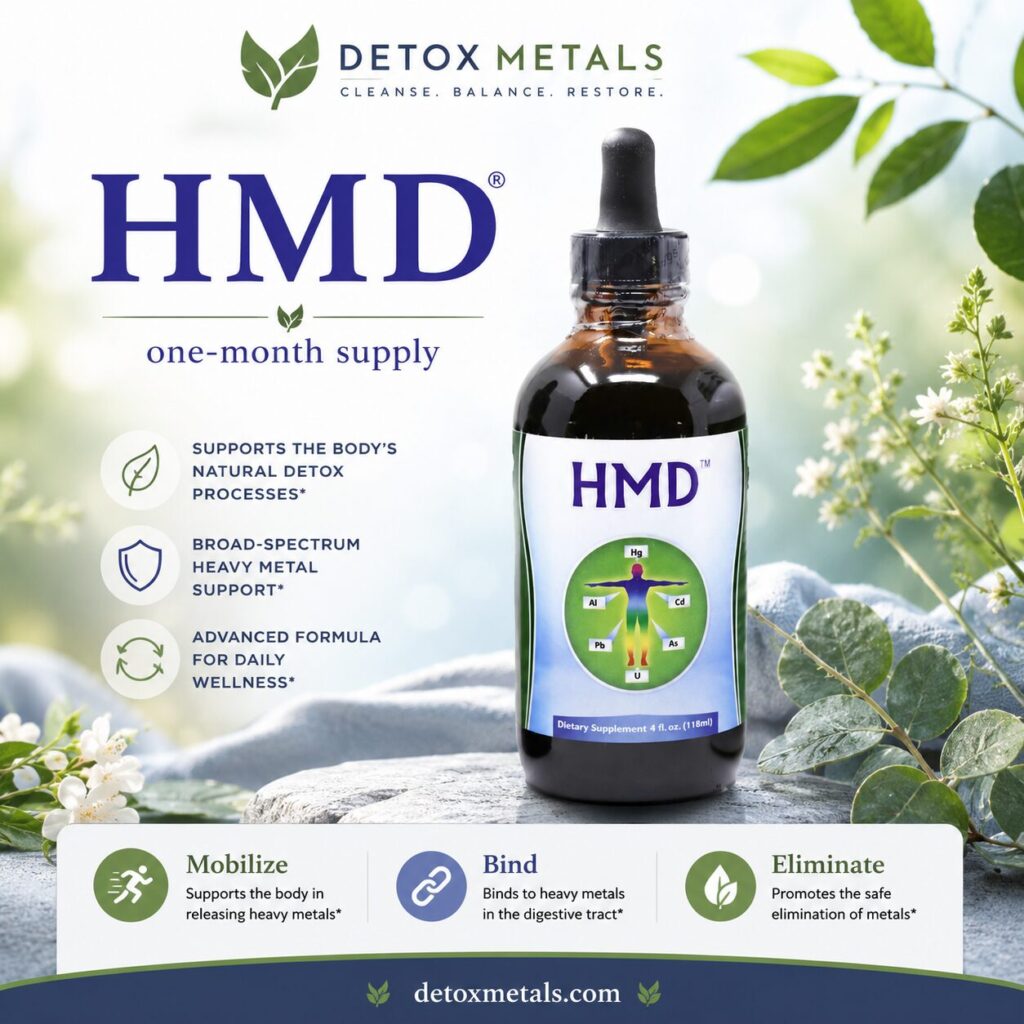
This is where Dr. Georgiou’s HMD Protocol may be useful as part of a broader heavy metal detox strategy. The HMD approach is presented by DetoxMetals as a natural, structured protocol designed to support the body’s ability to mobilise and eliminate toxic metals, rather than as a harsh or extreme cleanse.
HMD® itself is described as a synergistic herbal formula containing ingredients such as Chlorella Growth Factor and Coriandrum sativum, commonly known as cilantro or coriander.
What I like about this approach is that it fits with the bigger message of this article: detox should start with reducing exposure, then supporting the body gently and consistently.
If someone is using protein powder daily, especially a plant-based product with no published heavy metal testing, it makes sense first to choose a cleaner product or reduce use.
After that, a targeted protocol such as Dr. Georgiou’s HMD Protocol may offer an additional layer of support for people who want a more organised heavy-metal detox plan.
As always, people who are pregnant, breastfeeding, taking medication, dealing with kidney disease, or facing significant metal toxicity should work with a qualified practitioner before starting any detox programme.
Protein powder is not evil. Some products are useful. Some are well made. Some people genuinely benefit from them.
But the protein powder market has grown faster than most people’s understanding of supplement quality. We now have products that look healthy, taste like dessert, promise clean nutrition and are often used every single day. That combination deserves a closer look.
The key message is simple:
Protein is essential. Protein powder is optional. Quality matters. Testing matters. Frequency matters.
If you use protein powder occasionally, choose a transparent brand, avoid overuse, and keep your diet varied. If you use it every day, especially if you are pregnant, trying to conceive, giving it to children, or already dealing with toxicity concerns, it is worth taking a much closer look at what is in the tub.
Sometimes the healthiest choice is not adding another scoop.
Sometimes it is asking a better question: what else is coming with it?
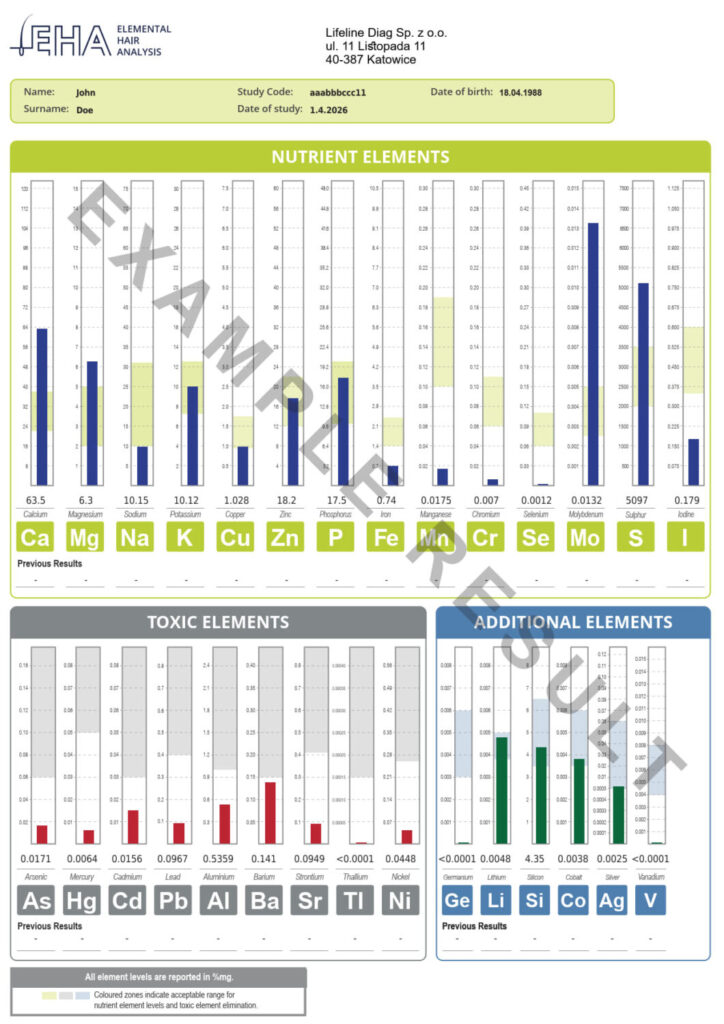
Before you detox, test first. Discover your toxic metal burden and mineral balance with the HMD® Hair Mineral Analysis & Toxic Metals Test.
(3 customer reviews)
125.00 €
Processed by a certified laboratory using ICP-OES Spectrometry
Already have your lab results? Skip to Step 2 and choose your clinical HMD® Protocol below.
More prolonged to remove deeper toxins
$285 $213.75
(Save 35%)
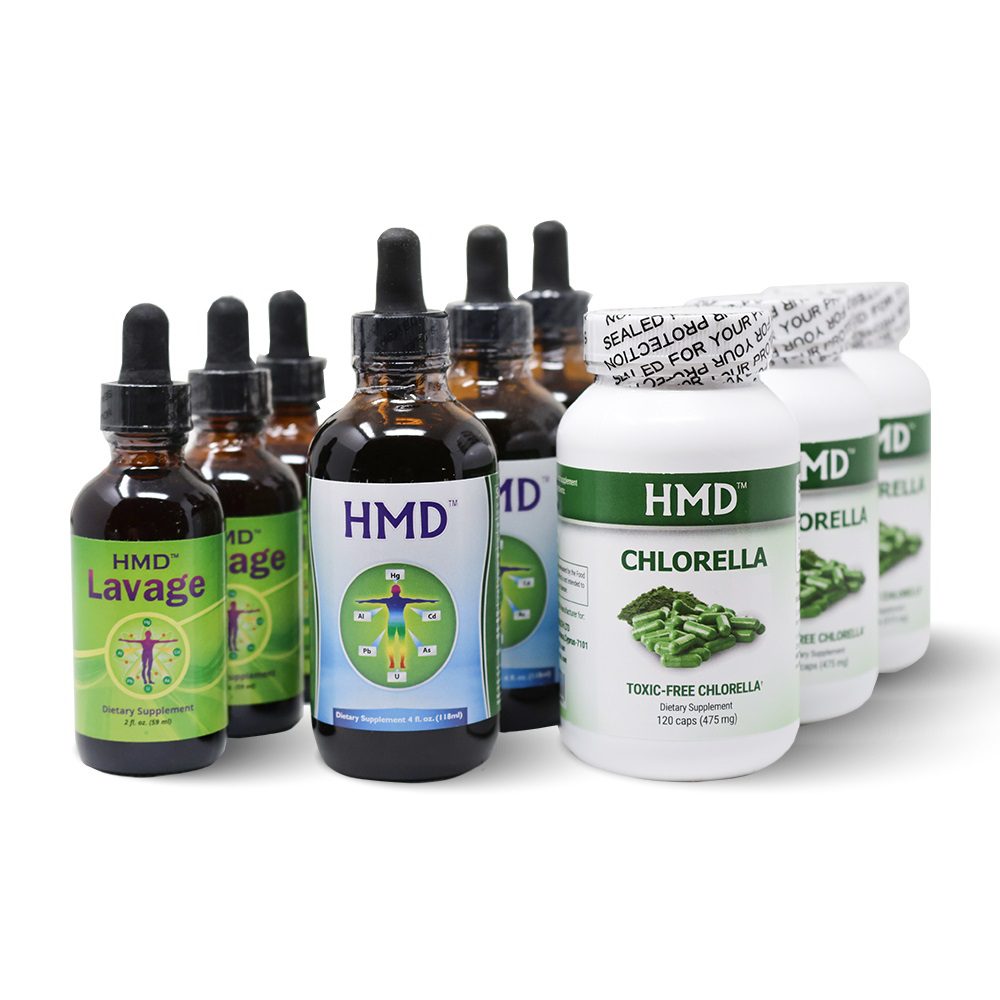
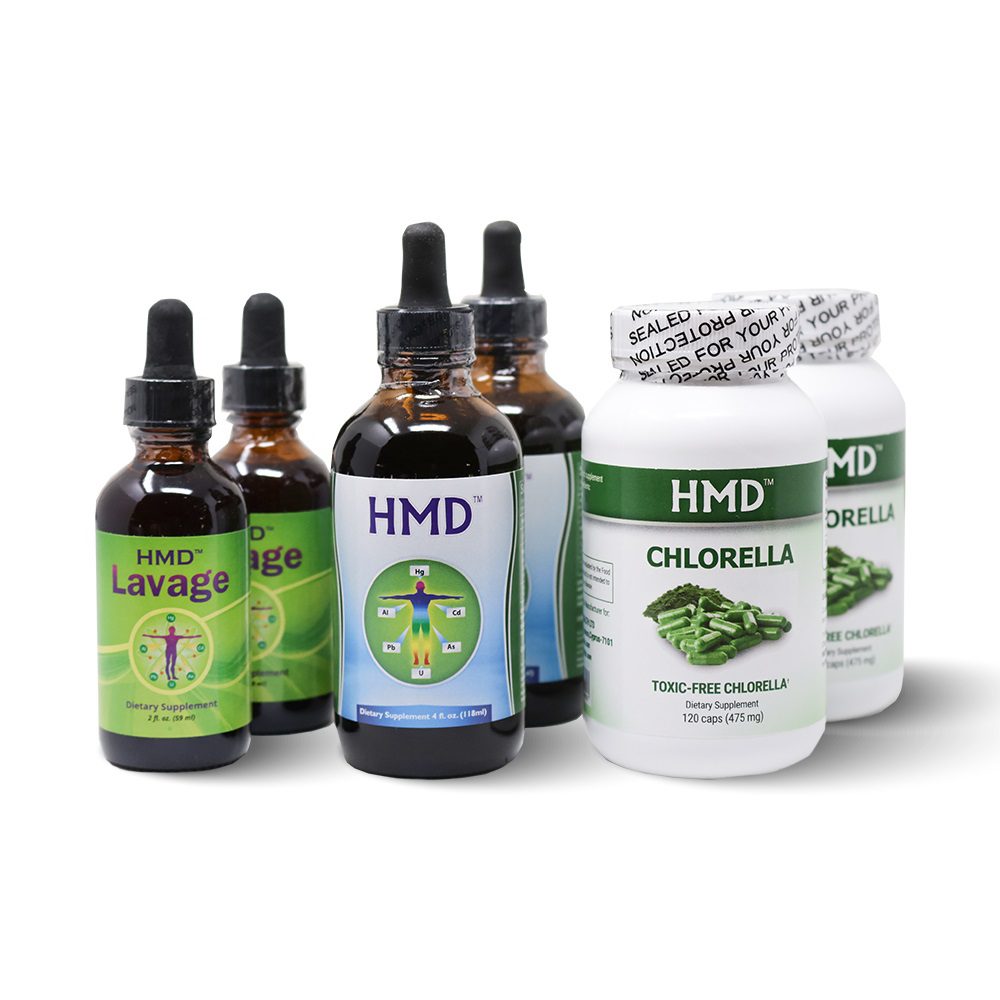
This 90-Day detox will help to eliminate a considerable load from the body.
$427 $256.20
(Save 45%)
Many people continue for 60 or 90 days depending on symptom history and exposure levels.

Alkaline Detox Diet best body detox best detox kit best detox supplements best full body detox best heavy metal detox best heavy metal detox for adults best herbal detox best metal detox best thc detox kit body cleanse supplements body detoxification supplements children and heavy metals chlorella detox Copper Toxicity in Drinking Water detox kit detox pack detox supplements detox tablets early symptoms of heavy metal toxicity full body detox kit hair mineral analysis heavy metal detox Heavy Metal Detox Benefits Heavy Metal Detox Diet heavy metal detox kit heavy metals detox Heavy Metals Drinks heavy metals in food heavy metals thyroid HMD Heavy Metal Detox HMD Ultimate Detox Pack Mercury Detox mercury thyroid effects Natural Heavy Metal Detox natural supplement for aluminum ORGANIC CHLORELLA pure body detox pure body extra detox Sources of Copper Exposure thyroid dysfunction causes toxic metal detox toxic metals in food ultimate detox What is a Homaccord

PODCAST: HEAVY METALS IN BABY FOODS Heavy Metals in Baby Foods Why Parents Are Asking Better Questions Why This Conversation Matters There are few things more personal than feeding
PODCAST: HEAVY METALS IN A MODERN LIFESTYLE Heavy Metals in a Modern Lifestyle The New Detox Problem How everyday food, air, water, products and technology may be adding to our
PODCAST: Wildfire Smoke, Toxic Ash, and Heavy Metals in Our Air Wildfire Smoke, Toxic Ash and Heavy Metals The Hidden Side of Air Pollution Wildfire smoke is no longer