Home » Health Articles » The Mercury Question: Fish, Fillings, and Everyday Exposure
Mercury is one of those words that immediately makes people nervous. We know it is toxic. We know it is associated with fish. Many people know it has been used in dental fillings. But beyond that, the subject becomes confusing very quickly.
Should we stop eating fish? Should everyone remove their amalgam fillings? Is mercury only a problem for pregnant women? Does the body store it? Can we reduce exposure without becoming obsessive?
The honest answer is that mercury is not a simple topic. It exists in different forms, comes from different sources, and affects people differently depending on age, exposure level, genetics, detoxification capacity, nutrition, gut health, kidney function, and overall toxic burden.
So, let’s unpack the mercury question in a practical way.
Mercury is a naturally occurring metal, but human activity has greatly increased mercury pollution in the environment. Coal burning, mining, industrial processes, waste incineration, and some manufacturing practices release mercury into air, soil, and water.
The World Health Organization lists mercury among the top chemicals of major public health concern and notes that exposure, even at small amounts, can be especially harmful during fetal and early-life development.
The important point is that mercury does not appear in only one form. The main forms people hear about are:
Elemental mercury, the metallic form found historically in thermometers and used in dental amalgam.
Inorganic mercury compounds, which may occur in some industrial or environmental contexts.
Methylmercury, the organic form that builds up in fish and seafood.
Methylmercury is the main concern when we talk about fish. Elemental mercury vapor is the main concern when we talk about dental amalgam.
Fish is one of the most confusing parts of the mercury discussion because fish can be both highly nutritious and a source of methylmercury.
Fish provides high-quality protein, iodine, selenium, vitamin D, and omega-3 fatty acids such as EPA and DHA. These nutrients support the brain, heart, immune system, and inflammatory balance.
So the goal is not “never eat fish.” The goal is choose the right fish more often.
The FDA says seafood is the most common way people are exposed to mercury, especially methylmercury, and that young children and developing babies are more vulnerable to mercury’s harmful effects.
The FDA and EPA advise pregnant women, those who may become pregnant, breastfeeding mothers, and children to choose fish based on mercury levels. Their advice encourages eating fish as part of a healthy diet, while choosing lower-mercury options.
Mercury builds up through the food chain. Small organisms absorb mercury from the environment. Small fish eat those organisms. Bigger fish eat the small fish. Large predatory fish eat many fish over a long lifespan.
That process is called biomagnification.
This is why large predator fish usually contain more mercury than smaller fish. It is not that the fish is “bad”; it is simply higher in the food chain and has had more time to accumulate methylmercury.
Fish that are generally higher in mercury include:
The FDA/EPA fish advice chart is designed to help people choose fish and frequency based on mercury levels.
Lower-mercury fish often include:
For many people, the practical solution is simple: eat fish, but rotate choices and avoid making high-mercury fish a regular habit.
Tuna deserves its own section because it is so commonly eaten.
Canned light tuna is generally lower in mercury than albacore or bigeye tuna. Albacore, also called white tuna, tends to have more mercury than canned light tuna.
This does not mean tuna is forbidden. It means people should be aware of type and frequency, especially during pregnancy, breastfeeding, and childhood. The FDA/EPA advice provides portion guidance to help people choose fish safely while still getting nutritional benefits.
A practical approach is to treat tuna as a rotation food, not a daily staple. Sardines, salmon, trout, herring, and anchovies often provide excellent omega-3 nutrition with generally lower mercury concerns.
Pregnancy is one of the most important mercury-related topics because methylmercury can affect the developing nervous system.
The point is not to frighten pregnant women away from seafood. In fact, omega-3 fatty acids from fish can support fetal brain and eye development. The balance is choosing fish that are rich in nutrients but lower in mercury.
The EPA explains that pregnant or breastfeeding women are advised to eat 2 to 3 servings, or 8 to 12 ounces, of fish each week from choices with the lowest mercury levels, or one 4-ounce serving per week from fish with higher mercury levels.
So the message is not “avoid fish.” The message is “choose wisely.”
Dental amalgam fillings, often called “silver fillings,” are made from a mixture of metals. They contain elemental mercury combined with silver, tin, copper, and other metals.
This is where the debate becomes emotional. Many people have lived with amalgam fillings for decades. Others worry that mercury vapor from fillings may contribute to symptoms such as fatigue, brain fog, neurological issues, immune problems, or chemical sensitivity.
From a regulatory perspective, the FDA states that available evidence does not show that mercury exposure from dental amalgam causes adverse health effects in the general population. However, the FDA also says that certain groups may be at greater risk from mercury exposure and recommends that these high-risk groups avoid dental amalgam if possible and appropriate when new fillings are needed.
Those higher-risk groups include pregnant women, women planning to become pregnant, nursing mothers, children, especially under six, people with known mercury allergy, and people with neurological impairment or kidney dysfunction.
That is a very important distinction. The FDA is not saying everyone with amalgams must panic. But it is also not pretending that mercury exposure is irrelevant for every person in every situation.
This is where people need to be careful.
If an amalgam filling is intact, stable, and not causing dental problems, many dentists and regulators do not recommend removing it purely out of fear. Removal can temporarily increase mercury exposure if it is done improperly.
The FDA’s patient guidance says high-risk groups should avoid new dental amalgam if possible and appropriate, but people should not stop seeking dental care. The decision to remove or replace fillings should be made with a qualified dental professional.
My personal view is that if someone is considering removal, they should not do it casually. They should consult a dentist trained in safe amalgam removal protocols, especially if they have multiple fillings, neurological symptoms, kidney issues, pregnancy considerations, or chemical sensitivity.
Removal should be planned, protected, and supported. It should not be done as a rushed cosmetic procedure.
Fish and fillings get most of the attention, but they are not the only mercury sources.
Mercury exposure can also come from:
The FDA monitors mercury in food and dietary supplements as part of its broader environmental contaminant testing.
So again, the issue is not one dramatic exposure for everyone. It is the possibility of repeated low-level inputs from several directions.
Mercury is best known for its effects on the nervous system. Depending on the form and level of exposure, mercury may affect the brain, nerves, kidneys, immune system, and developing fetus.
Methylmercury is particularly concerning for brain development. Elemental mercury vapor, at high exposure levels, is well documented to affect the nervous system and kidneys. The FDA notes that dental amalgam releases low levels of mercury vapor, though it concludes that exposures from amalgam do not put most people aged six and older at risk for mercury-associated adverse health effects.
Symptoms of significant mercury toxicity can include tremor, sensory changes, poor coordination, memory problems, irritability, fatigue, and kidney-related issues, but these symptoms are not specific to mercury. Many other health problems can cause similar symptoms.
That is why testing, history, and clinical judgement matter.
Yes, but mercury testing can be tricky.
Different tests reflect different forms and timeframes of exposure. Blood mercury can reflect recent exposure, especially from fish. Urine mercury is often used more for inorganic or elemental mercury exposure. Hair mercury may reflect methylmercury exposure from fish, but interpretation can be controversial and depends heavily on lab quality and context.
No single test tells the whole story.
A good assessment looks at:
Testing is best interpreted by a practitioner who understands both toxicology and clinical context.
The first step is always to reduce incoming exposure.
Here are simple practical changes:
The body’s detoxification systems require nutrients. Mercury has a strong relationship with sulphur-containing compounds and antioxidant systems, including glutathione.
Nutrients that often matter include:
Selenium is particularly interesting because it can interact with mercury biology, although this does not mean selenium gives permission to eat high-mercury fish freely. It simply means nutrient status influences how the body handles toxic exposures.
Mercury detoxification is not only about the liver or kidneys. The gut matters too.
Once toxins are processed through bile, they enter the intestines. If bowel movements are sluggish, there may be more opportunity for unwanted compounds to recirculate. This is one reason constipation is such an important issue in detox work.
A good mercury strategy should therefore support:
Detoxification is not just “pulling metals.” It is also making sure the exits are open.
Avoiding mercury exposure is the first step. But for many people, avoidance alone may not be enough, especially if there has been long-term exposure from fish, dental amalgams, occupational sources, pollution, or other heavy metals at the same time.
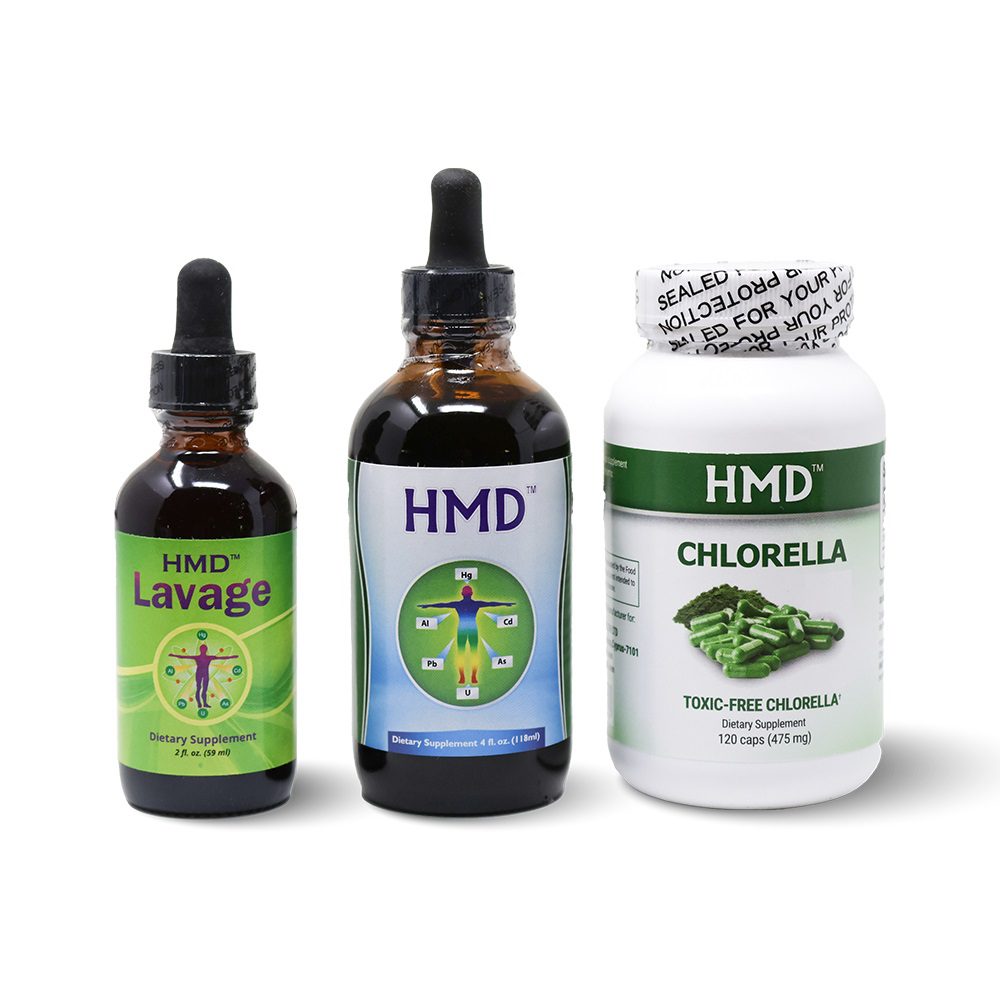
This is where the HMD® Heavy Metal Detox Protocol, developed by Dr. George Georgiou, can fit into a broader plan.
The HMD® protocol is designed to support the body’s natural ability to bind and eliminate toxic metals using a structured botanical and nutritional approach. It is not about aggressive detoxing or forcing the body too quickly. It is about supporting normal elimination pathways while helping reduce the heavy metal burden over time.
For people concerned about mercury, the most sensible approach is layered:
Use a targeted heavy metal detox protocol such as HMD® as part of a structured programme.
The mercury question does not have to be frightening. It simply asks us to be more aware of what we eat, what we place in our mouths, what we use on our bodies, and how well our natural detoxification systems are working.
Mercury is a serious metal, but we are not powerless. With better choices, sensible testing, safer dentistry, cleaner food habits, and the right detox support, we can reduce the burden and help the body move back toward balance.
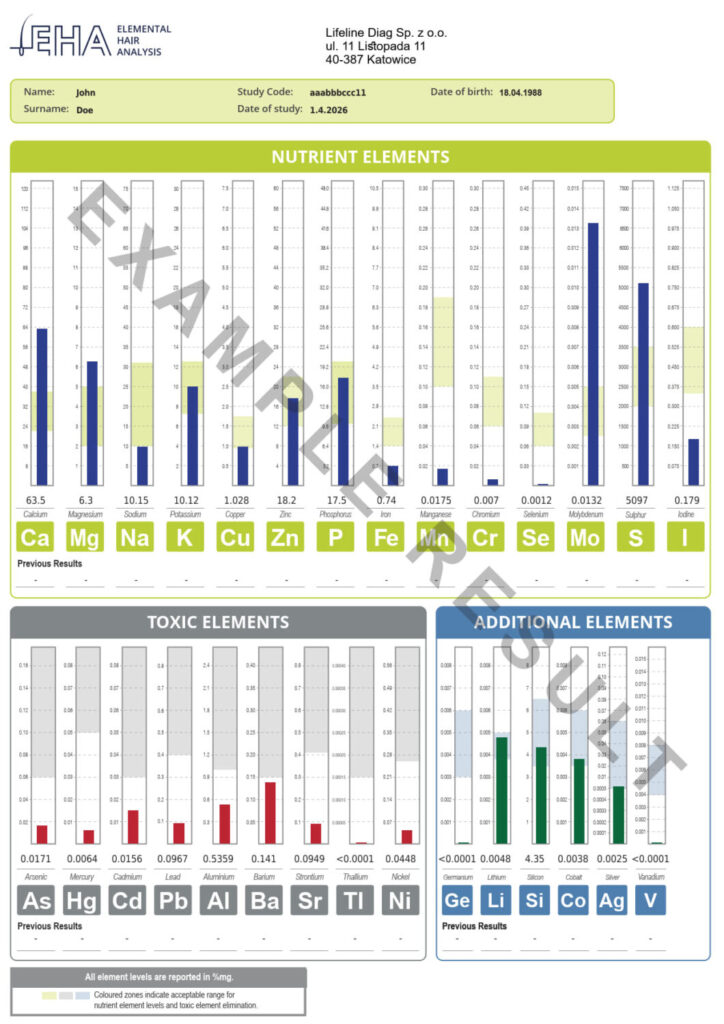
Before you detox, test first. Discover your toxic metal burden and mineral balance with the HMD® Hair Mineral Analysis & Toxic Metals Test.
(3 customer reviews)
125.00 €
Processed by a certified laboratory using ICP-OES Spectrometry
Already have your lab results? Skip to Step 2 and choose your clinical HMD® Protocol below.
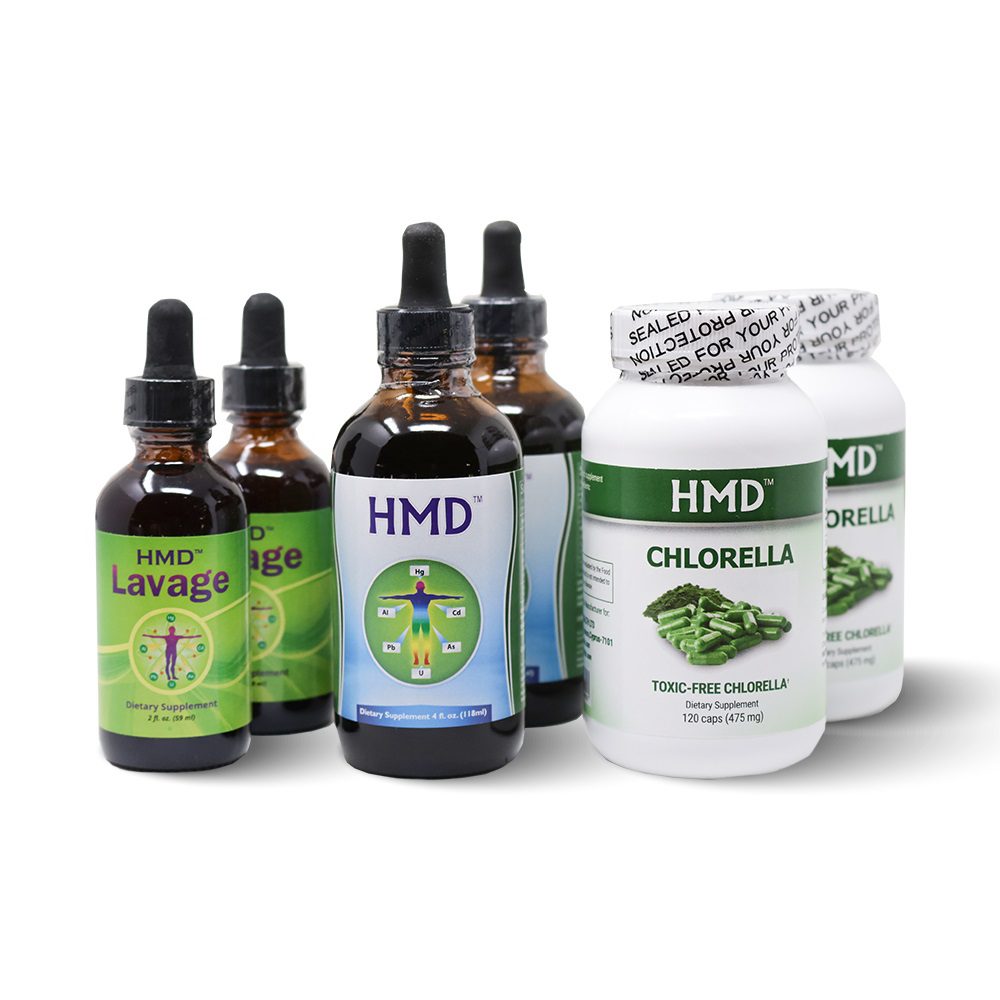
More prolonged to remove deeper toxins
$285 $213.75
(Save 35%)
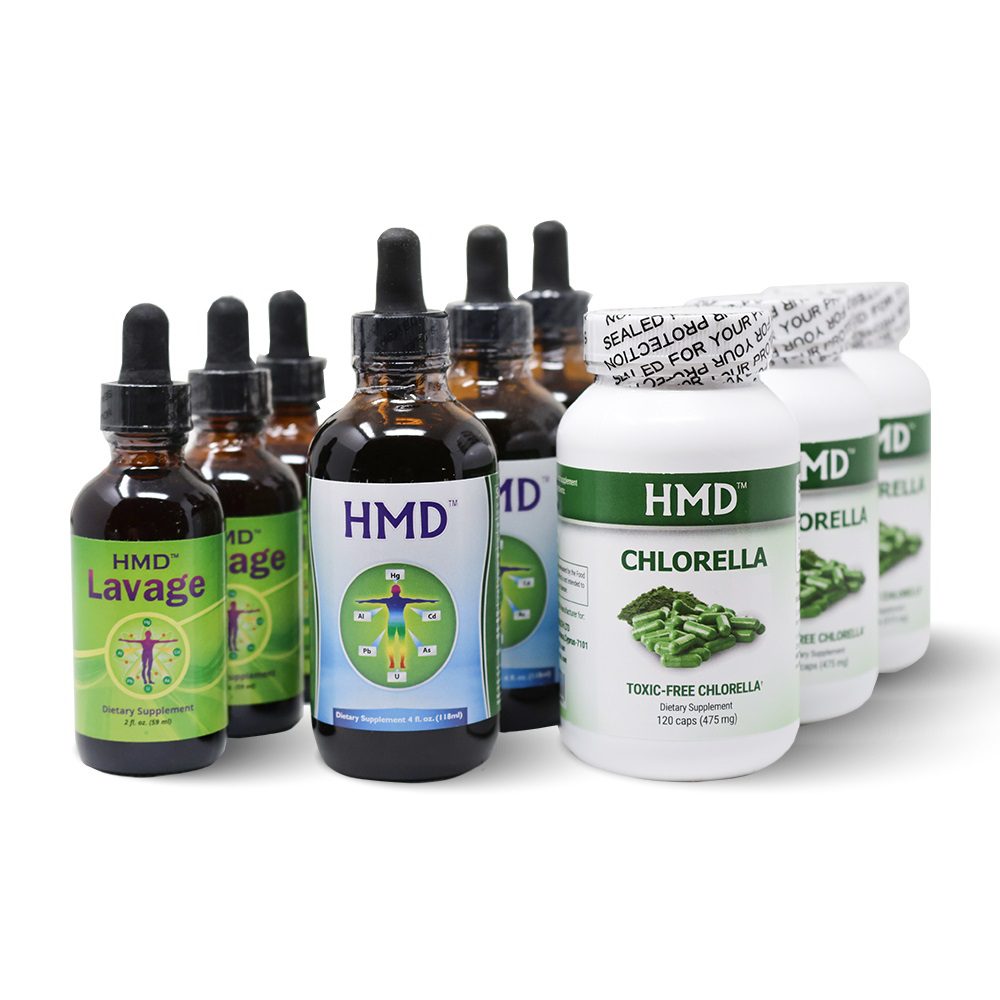
This 90-Day detox will help to eliminate a considerable load from the body.
$427 $256.20
(Save 45%)
Many people continue for 60 or 90 days depending on symptom history and exposure levels.






Alkaline Detox Diet best body detox best detox kit best detox supplements best full body detox best heavy metal detox best heavy metal detox for adults best herbal detox best metal detox best thc detox kit body cleanse supplements body detoxification supplements children and heavy metals chlorella detox Copper Toxicity in Drinking Water detox kit detox pack detox supplements detox tablets early symptoms of heavy metal toxicity full body detox kit hair mineral analysis heavy metal detox Heavy Metal Detox Benefits Heavy Metal Detox Diet heavy metal detox kit heavy metals detox Heavy Metals Drinks heavy metals in food heavy metals thyroid HMD Heavy Metal Detox HMD Ultimate Detox Pack Mercury Detox mercury thyroid effects Natural Heavy Metal Detox natural supplement for aluminum ORGANIC CHLORELLA pure body detox pure body extra detox Sources of Copper Exposure thyroid dysfunction causes toxic metal detox toxic metals in food ultimate detox What is a Homaccord


Are Microplastics Carrying Heavy Metals Into Your Body? The Hidden Link Between Microplastics and Heavy Metals Microplastics are now found in food, water, air, and even human samples. But the

What’s Really Hiding in Your Protein Powder? Healthy Habit or Hidden Toxin Source? Protein powders are popular, convenient and often marketed as healthy — but some may contain unwanted heavy
PODCAST: Nano-Aluminium and Alzheimer’s Disease Nano-Aluminium and Alzheimer’s Disease What the Science Actually Suggests Aluminium is not usually the first metal people think about when they hear the word “neurotoxicity.”