Home » Health Articles » The Heavy Metal Problem in “Healthy” Foods
Most people trying to improve their health start in the same place: they clean up their diet. They cut back on processed foods, buy better ingredients, eat more fish, add protein powders, use herbs and spices, switch to dark chocolate instead of sweets, and maybe include more rice, seaweed, seeds, greens, and plant-based products.
On paper, that sounds excellent. And in many ways, it is.
But there is an uncomfortable truth that deserves more attention: some of the foods we think of as “healthy” can also be sources of heavy metals.
That does not mean these foods are “bad.” It does not mean we should become frightened of everything on our plate. But it does mean we need to be smarter. Heavy metal exposure is rarely about one dramatic event. For most people, it is the slow drip: a little from food, a little from water, a little from air pollution, a little from household dust, a little from dental materials, a little from cosmetics, and a little from supplements.
The problem is cumulative.
The FDA monitors arsenic, lead, cadmium, and mercury in foods because these metals remain relevant environmental contaminants in the food supply. It has also developed its “Closer to Zero” programme to reduce exposure to lead, arsenic, cadmium, and mercury in foods eaten by babies and young children.
So today, I want to look at the foods many health-conscious people eat regularly — not to scare you away from them, but to help you make better choices.
Heavy metals enter food in several ways.
Some metals are naturally present in soil and rock. Others come from industrial pollution, mining, pesticides, fertilisers, irrigation water, sewage sludge, air pollution, or contaminated processing equipment. Plants can absorb metals from soil and water. Animals can accumulate metals through feed and the environment. Fish can accumulate mercury from polluted waterways.
This means a food can be organic, natural, plant-based, nutrient-rich — and still contain some level of toxic metal contamination.
That is one of the most important points. “Natural” does not automatically mean “clean.” And “healthy” does not always mean “low toxic load.”
Rice is one of the best-known examples. Many people eat rice because it is gluten-free, easy to digest, affordable, and a staple in many traditional diets. But rice can absorb arsenic from soil and water more readily than many other grains.
Arsenic can be present in both organic and inorganic forms, but inorganic arsenic is considered the more concerning form. The FDA notes that arsenic can occur in food because it is present in the environment, including soil and water, and that contaminated drinking water is a common source of high inorganic arsenic exposure.
Rice-based products can become especially relevant for people who eat them daily. Think of rice cakes, rice crackers, rice milk, rice pasta, rice flour, baby rice cereal, and gluten-free foods based heavily on rice.
The practical answer is not necessarily to avoid rice forever. It is to reduce over-reliance. Rotate grains. Use quinoa, buckwheat, oats, millet, potatoes, sweet potatoes, or other carbohydrate sources. Rinse rice before cooking. Cook it in excess water and drain it, which may reduce arsenic content.
For babies and young children, variety matters even more because their smaller bodies are more vulnerable to toxic exposures.
Fish is another classic example of a food that is both beneficial and potentially problematic.
Fish provides omega-3 fatty acids, iodine, selenium, vitamin D, and high-quality protein. Eating fish as part of a healthy diet may support heart health, and the FDA encourages fish consumption while advising people to choose lower-mercury options.
The issue is mercury, especially methylmercury. Mercury builds up in aquatic food chains. Larger predatory fish tend to contain more mercury because they eat smaller fish and live longer.
The FDA explains that seafood is the most common way people are exposed to mercury, and that young children and developing babies are more vulnerable to mercury’s effects.
Higher-mercury fish include shark, swordfish, king mackerel, bigeye tuna, marlin, orange roughy, and some tilefish. Lower-mercury choices include sardines, anchovies, salmon, trout, herring, pollock, cod, shrimp, clams, scallops, and tilapia. The FDA/EPA advice lists many “best choices” that are lower in mercury, including salmon, sardines, trout, anchovies, shrimp, pollock, and others.
The lesson is simple: eat fish, but choose wisely. Sardines and red mullet are very different from swordfish and bigeye tuna.
Dark chocolate is often promoted as the “healthy chocolate” because it contains polyphenols and usually less sugar than milk chocolate. Many people eat it daily for heart health, mood, magnesium, or simply because it feels like a virtuous treat.
But cacao can contain cadmium and lead. Cadmium is often taken up from soil by the cacao plant, while lead contamination may occur during harvesting, drying, processing, or environmental exposure.
Consumer Reports has tested dark chocolate products and reported lead and cadmium concerns in multiple products. A later study analysing 72 cocoa-containing products sold in the U.S. also reported that a portion exceeded California’s legal limits for lead or cadmium.
This does not mean dark chocolate is forbidden. It means dark chocolate should be treated as a treat, not a daily supplement. One square now and then is different from eating a large amount every day because it is “healthy.”
Look for companies that publish heavy metal testing. Rotate brands. Avoid giving high-cacao chocolate regularly to children.
Protein powders are everywhere now: whey protein, pea protein, rice protein, hemp protein, collagen, greens powders, meal replacements, and “superfood” blends.
The problem is that powders concentrate ingredients. If the original plant material absorbed metals from soil, the final powder may concentrate that exposure.
Plant-based powders can be more vulnerable depending on the crop, soil, and processing. Rice protein is a particular one to watch because of the arsenic issue with rice. Cocoa-flavoured powders may also add another possible source of cadmium or lead.
Again, this does not mean all protein powders are bad. It means quality control matters.
Choose companies that test for heavy metals and publish results. Avoid living on powders instead of food. Use protein powders as a supplement, not as the foundation of the diet.
Spices are powerful. Turmeric, cinnamon, cumin, paprika, chilli, coriander, and ginger can all have health-supporting properties. But spices can also be contaminated with heavy metals through soil, drying, processing, storage, or adulteration.
Some spice contamination has been linked to lead-containing colour enhancers, especially in products where bright colour increases market value. Turmeric and chilli powders have received attention for this reason.
The answer is not to stop using spices. Spices are one of the healthiest ways to add flavour and beneficial plant compounds to food. But buy from reputable suppliers. Avoid unlabelled powders. Be careful with unusually bright, very cheap, imported products from unknown sources. Store spices properly and rotate them rather than using huge amounts of the same one every day.
Seaweed is rich in minerals, iodine, and unique polysaccharides. It is used in sushi, snacks, soups, supplements, thyroid support products, and “detox” blends.
But seaweed can also absorb contaminants from seawater, including arsenic, cadmium, lead, and mercury depending on species and location. Hijiki seaweed, for example, has been flagged in several countries for inorganic arsenic concerns.
Chlorella and spirulina are also popular in detox circles. High-quality algae products may be useful, but poor-quality products can be contaminated.
With seaweed and algae, the source matters enormously. Choose tested products, avoid excessive intake, and be especially careful if you already have thyroid issues because of the iodine content.
Leafy greens and root vegetables are among the healthiest foods we can eat. They provide fibre, minerals, antioxidants, folate, potassium, and many plant compounds that support detoxification and inflammation control.
But plants grow in soil. If soil is contaminated with lead, cadmium, or arsenic, vegetables can absorb some of that burden. Root vegetables can also carry contaminated soil on their surfaces.
This is especially relevant for urban gardens, gardens near old painted buildings, roadsides, industrial areas, or former agricultural land treated with older pesticides.
The practical steps are simple: test garden soil if needed, grow in raised beds with clean soil, wash produce well, peel root vegetables where appropriate, and vary your vegetable sources.
This is one of the most sensitive areas. Babies and young children eat more food relative to their body weight than adults, and their brains and nervous systems are still developing. That makes heavy metal exposure more concerning.
The FDA’s Closer to Zero programme specifically focuses on reducing children’s dietary exposure to contaminants such as lead, arsenic, cadmium, and mercury.
Baby foods most often discussed include rice cereals, fruit juices, root vegetable purées, teething biscuits, puffs, and some snack foods. This does not mean parents should panic. It means variety matters.
Rotate foods. Avoid relying too heavily on rice-based baby products. Choose whole foods where possible. Be mindful of fruit juice. And remember that children do not need a diet built around packaged “healthy” snacks.
Fruit juice sounds healthy, but it can concentrate sugar and contaminants without the fibre of whole fruit.
Apple juice, grape juice, and other juices have been monitored for heavy metals such as arsenic and lead. The FDA has published testing and action-level work related to toxic elements in foods and juices as part of its broader contaminant reduction efforts.
Whole fruit is usually a better choice than juice. If juice is used, keep portions small and do not make it a daily staple for children.
This is where many health-conscious people get caught.
A greens powder may contain 40 different ingredients: algae, herbs, grasses, mushrooms, roots, cocoa, adaptogens, spices, and plant extracts. It looks impressive. But every additional ingredient is another possible contamination source.
If a company does not test properly, a “superfood” blend can become a concentrated exposure blend.
A good supplement company should be able to discuss heavy metal testing. If not, be cautious.
A single serving of rice, fish, chocolate, greens powder, or turmeric is rarely the problem.
The bigger issue is repetition.
Rice every day. Tuna every day. Dark chocolate every day. A scoop of plant protein every day. A greens powder every day. Turmeric capsules every day. Seaweed snacks every day.
Healthy habits become less healthy when they create narrow, repeated exposure.
Variety is one of the simplest detox strategies. Rotate foods. Rotate brands. Rotate protein sources. Rotate grains. Rotate fish choices. Rotate snacks. Do not let any one “healthy” food become your entire diet.
Here are the practical steps I would start with:
Reducing exposure is always the first step. There is no point trying to detox while still pouring the same metals in every day.
But for many people, avoidance alone is not enough. Heavy metals can accumulate over years from food, water, air pollution, dental materials, household dust, occupational exposure, and consumer products. Once that burden is present, the body may need extra support.
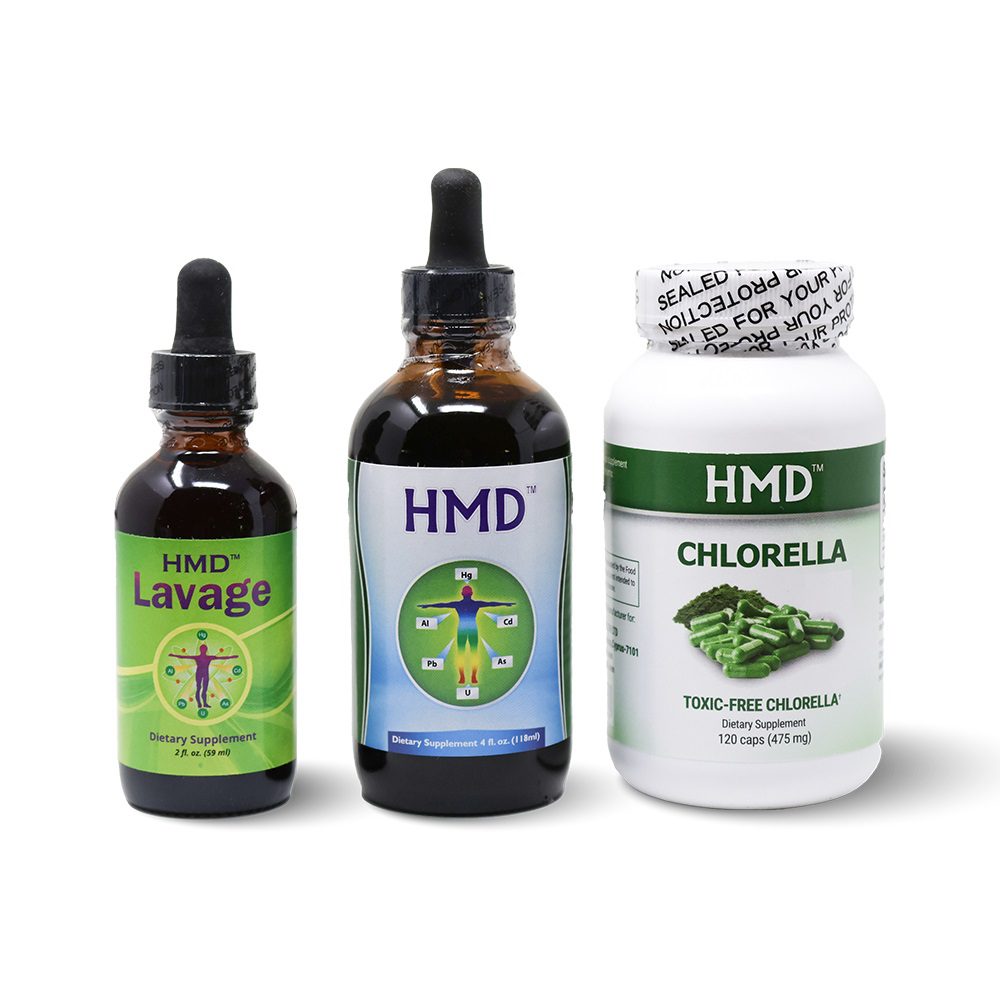
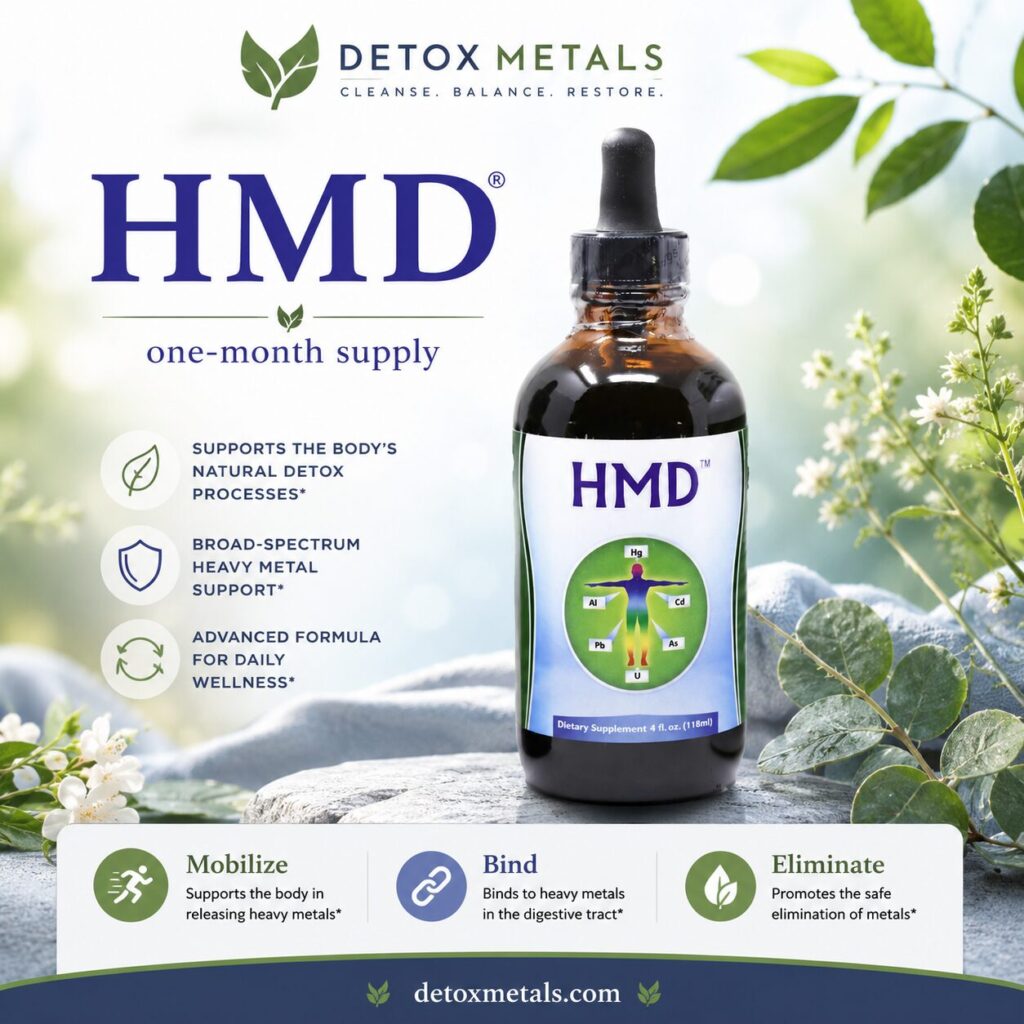
This is where the HMD® Heavy Metal Detox Protocol, developed by Dr. George Georgiou, can fit into a sensible, structured detoxification strategy.
The HMD® protocol was created to support the body’s natural ability to bind and eliminate toxic metals. It uses a targeted botanical and nutritional approach rather than an aggressive “push everything out at once” method.
In my view, the best heavy metal strategy has two sides:
First, reduce the daily intake of metals from food, water, home, and lifestyle.
Second, support the body’s detoxification pathways so it can gradually reduce the burden already present.
That means supporting the gut, liver, kidneys, lymphatic system, mineral balance, antioxidant status, and regular elimination. HMD® can be used as part of this broader programme to help the body deal with toxic metal exposure more effectively.
The message is not that healthy foods are dangerous. The message is that modern health requires awareness. A food can be nutritious and still carry a contaminant burden. A good diet is not just about vitamins, minerals, protein, and fibre. It is also about reducing the hidden toxic load that can quietly build up over time.
Eat well. Choose wisely. Rotate your foods. Buy from cleaner sources. And when needed, support your body with a targeted heavy metal detox protocol such as HMD®.
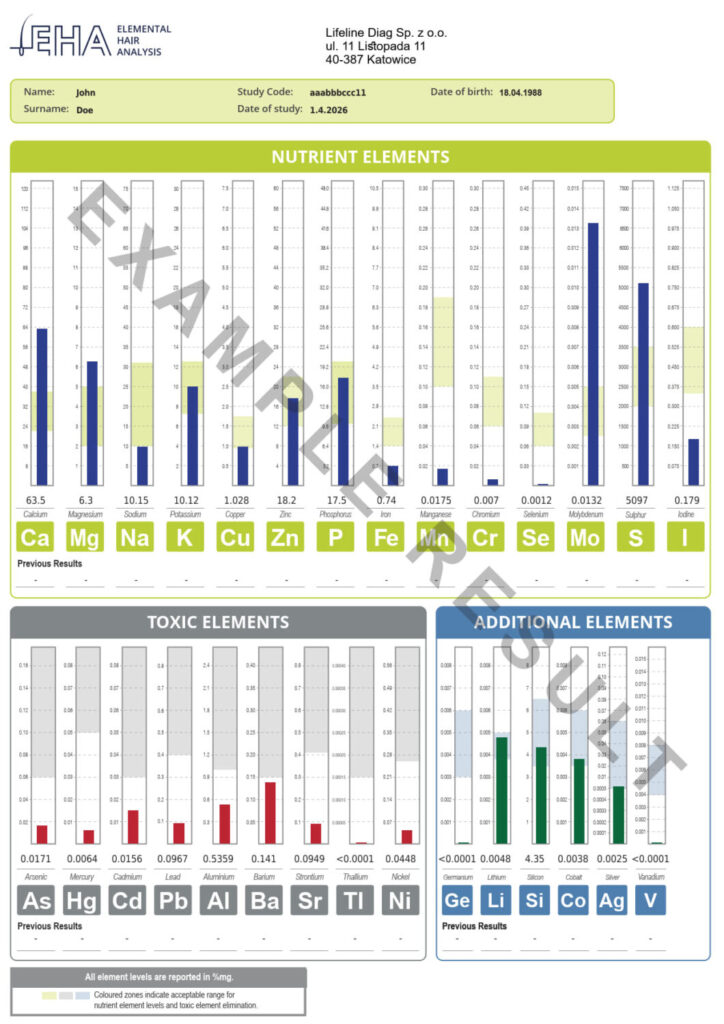
Before you detox, test first. Discover your toxic metal burden and mineral balance with the HMD® Hair Mineral Analysis & Toxic Metals Test.
(3 customer reviews)
125.00 €
Processed by a certified laboratory using ICP-OES Spectrometry
Already have your lab results? Skip to Step 2 and choose your clinical HMD® Protocol below.
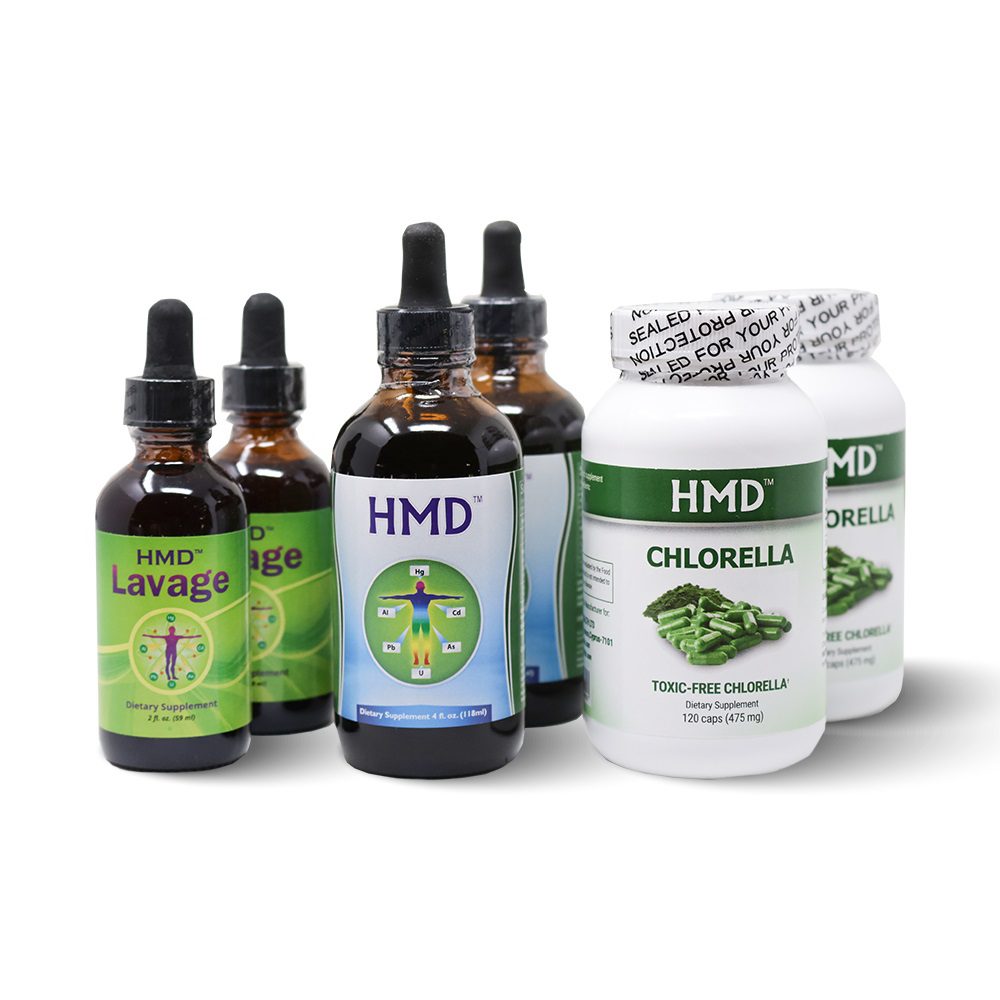
More prolonged to remove deeper toxins
$285 $213.75
(Save 35%)
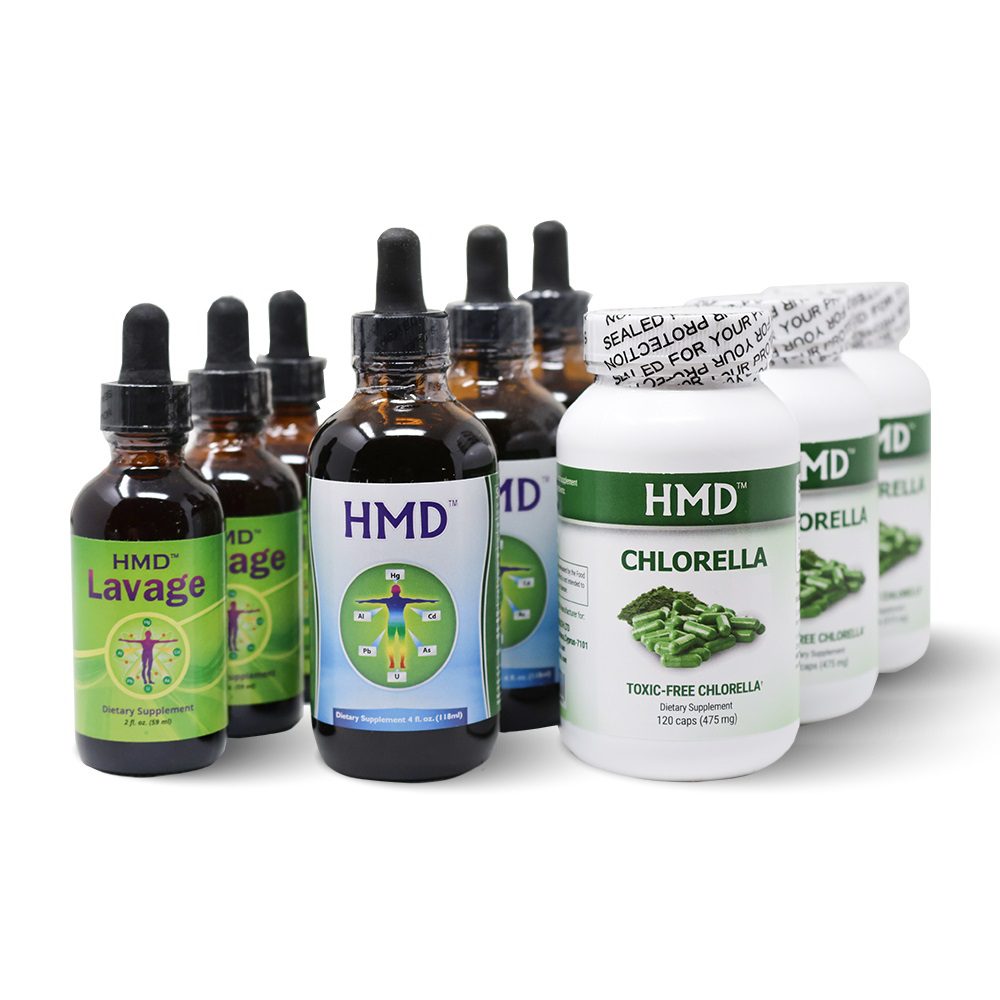
This 90-Day detox will help to eliminate a considerable load from the body.
$427 $256.20
(Save 45%)
Many people continue for 60 or 90 days depending on symptom history and exposure levels.


Alkaline Detox Diet best body detox best detox kit best detox supplements best full body detox best heavy metal detox best heavy metal detox for adults best herbal detox best metal detox best thc detox kit body cleanse supplements body detoxification supplements children and heavy metals chlorella detox Copper Toxicity in Drinking Water detox kit detox pack detox supplements detox tablets early symptoms of heavy metal toxicity full body detox kit hair mineral analysis heavy metal detox Heavy Metal Detox Benefits Heavy Metal Detox Diet heavy metal detox kit heavy metals detox Heavy Metals Drinks heavy metals in food heavy metals thyroid HMD Heavy Metal Detox HMD Ultimate Detox Pack Mercury Detox mercury thyroid effects Natural Heavy Metal Detox natural supplement for aluminum ORGANIC CHLORELLA pure body detox pure body extra detox Sources of Copper Exposure thyroid dysfunction causes toxic metal detox toxic metals in food ultimate detox What is a Homaccord

Heavy Metals: A Silent Threat to Modern Health And What to Do About It A lot of people still think heavy metal toxicity is an old-world problem — something tied
A major 2025 study found that 14–17% of the world’s cropland may be contaminated with toxic metals. Here’s what that means for your food and your health. Heavy Metals

A Conversation on Inner Detox Today I want to speak about a different kind of healing. Many people know Dr. Georgiou for his work in the field of physical detox