The 7 Most Dangerous Heavy Metals in the Modern World
Hidden Sources, Health Effects, and Natural Ways to Support Detoxification
In modern life, exposure to environmental toxins has become almost unavoidable.
Among the most concerning of these are heavy metals—elements that can accumulate in the body over time and interfere with normal biological processes.
Unlike many chemicals that break down quickly, heavy metals are persistent. Once they enter the body, they may remain stored in tissues for years.
Low-level exposure from multiple sources—air pollution, contaminated food, industrial emissions, and consumer products—can gradually contribute to what researchers call body burden, the total accumulation of toxins within the body.
In clinical practice, many practitioners have observed that reducing toxic load can sometimes support improvements in energy, cognitive clarity, and overall well-being.
Understanding where these metals come from and how they affect the body is the first step toward reducing exposure and supporting the body’s natural detoxification systems.
Below are seven of the most concerning heavy metals in the modern environment.
Mercury
Mercury is widely considered one of the most significant environmental neurotoxins.
It exists in several forms, but the type most commonly encountered in food is methylmercury, which accumulates in fish and seafood. Large predatory fish such as tuna, swordfish, and shark tend to contain the highest concentrations because mercury bioaccumulates up the marine food chain.
Mercury has a strong affinity for sulfur-containing proteins, which are abundant in the nervous system. Because of this, researchers have long studied its potential effects on neurological health.
Common exposure sources include:
- seafood consumption
- industrial pollution
- contaminated water
- certain dental materials.
Although occasional exposure is unlikely to cause harm for most individuals, long-term accumulation may contribute to oxidative stress and mitochondrial dysfunction.
Lead
Lead is one of the most studied toxic metals in environmental health.
Historically, lead was used extensively in gasoline, paint, plumbing, and industrial processes. While many countries have reduced these uses, lead contamination still occurs through aging infrastructure, industrial emissions, and environmental residues from past pollution.
Lead exposure has been associated with effects on:
- neurological development
- blood cell formation
- cardiovascular health.
Even low-level exposure has been widely studied for its potential impact on cognitive and neurological systems.
Common sources include:
- contaminated soil
- old plumbing systems
- industrial pollution
- certain imported consumer products.
Because lead accumulates in bones and tissues, reducing exposure remains an important public health goal.
Cadmium
Cadmium is a heavy metal released into the environment through mining, industrial manufacturing, and the burning of fossil fuels.
It is also commonly found in cigarette smoke, which can be a significant exposure source for smokers.
Cadmium tends to accumulate primarily in the kidneys and liver, where it may remain for decades.
Environmental sources include:
- cigarette smoke
- contaminated soil
- industrial pollution
- certain fertilizers.
Research suggests cadmium may contribute to oxidative stress and kidney strain when exposure levels are elevated.
Arsenic
Arsenic is naturally present in the earth’s crust, and it can contaminate groundwater in certain regions.
Chronic exposure has been studied extensively in environmental health research.
Arsenic exposure may occur through:
- drinking water
- certain foods such as rice
- industrial pollution
- pesticide residues.
Some forms of arsenic are considered more toxic than others. Long-term exposure has been investigated in relation to cardiovascular health and metabolic disorders.
Because groundwater contamination can occur naturally, monitoring water quality remains an important public health priority.
Aluminium
Aluminium is one of the most abundant metals in the earth’s crust, and modern industrial activity has significantly increased human exposure.
Although aluminium occurs naturally in soil and food, additional exposure may occur through:
- food processing
- cookware
- packaging materials
- environmental pollution.
Some researchers have explored potential links between aluminium exposure and neurological conditions, although the scientific debate remains ongoing.
Regardless, minimizing unnecessary exposure and supporting healthy detoxification processes may be beneficial.
Nickel
Nickel is commonly used in industrial manufacturing and stainless-steel products.
Although trace amounts occur naturally in food, excessive exposure may occur through occupational environments or environmental contamination.
Nickel is particularly known for causing allergic reactions and skin sensitivity in some individuals.
Sources include:
- industrial emissions
- stainless-steel materials
- contaminated soil or water.
For most individuals, dietary nickel exposure is minimal, but certain populations may be more sensitive.
Chromium
Chromium exists in several chemical forms, some of which are essential trace nutrients while others are toxic.
Industrial forms of chromium used in manufacturing processes may pose greater health concerns.
Exposure can occur through:
- industrial pollution
- contaminated water
- occupational environments.
Research has investigated chromium’s potential role in oxidative stress and cellular damage when exposure levels are high.
How Heavy Metals Affect the Body
Heavy metals can interfere with normal biological processes through several mechanisms.
One of the most important involves oxidative stress.
Many toxic metals can generate reactive oxygen species that damage cellular structures such as membranes, proteins, and DNA.
Another mechanism involves enzyme disruption.
Certain metals may compete with essential minerals such as zinc, magnesium, or iron, potentially interfering with metabolic processes.
Heavy metals have also been studied for their effects on:
- mitochondrial function
- immune system regulation
- neurological signaling.
Because these systems are interconnected, even small disruptions may affect overall health over time.
Symptoms Associated with Heavy Metal Burden
Symptoms associated with elevated toxic burden can vary widely depending on the individual and the type of metal involved.
Some commonly reported symptoms include:
- fatigue
- brain fog
- headaches
- difficulty concentrating
- mood changes
- digestive discomfort
- chronic inflammation.
It is important to note that these symptoms can have many possible causes, and proper medical evaluation is essential.
Testing methods sometimes used to evaluate exposure include:
- blood testing
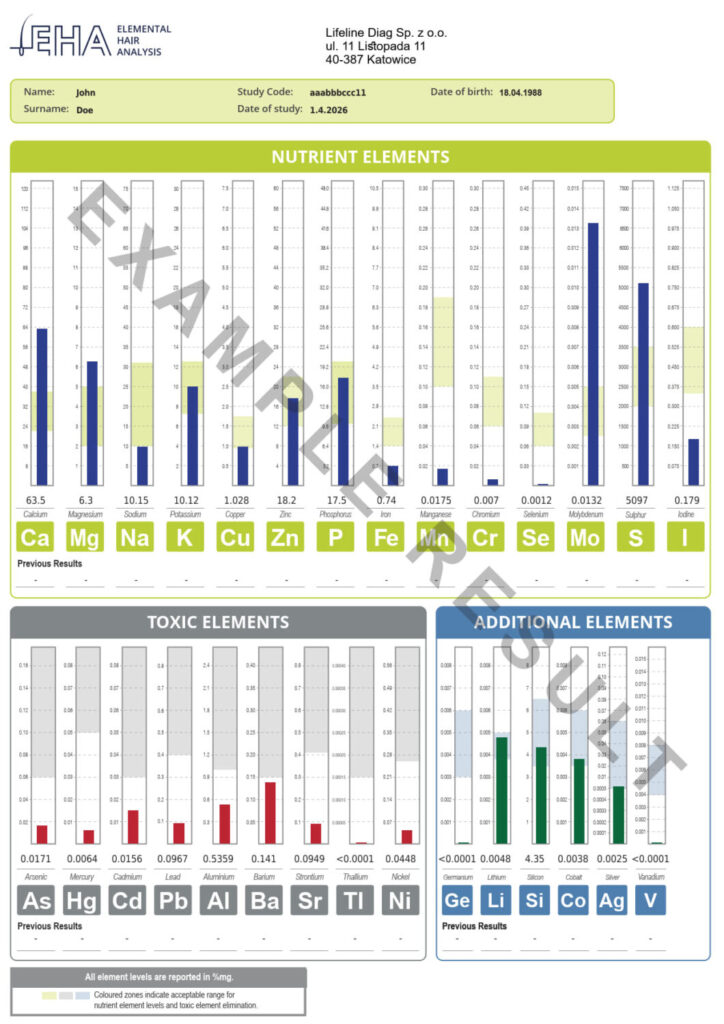
- hair mineral analysis
- urine testing.
Supporting the Body’s Natural Detox Systems
The human body has built-in detoxification systems designed to eliminate toxins.
These systems involve several organs, including:
- the liver
- the kidneys
- the gastrointestinal tract
- the lymphatic system
- the skin.
However, because heavy metals can bind tightly to tissues, supporting detoxification through nutrition and lifestyle may be beneficial.
Some commonly discussed natural strategies include:
Nutrient-Rich Diet
A diet rich in vegetables, fiber, and antioxidants may support the body’s detoxification processes.
Hydration
Adequate water intake supports kidney function and toxin elimination.
Antioxidants
Nutrients such as vitamin C and plant polyphenols may help reduce oxidative stress.
Botanical Detox Compounds
Certain plants, including chlorella and coriander, have attracted attention for their potential ability to support detoxification pathways.
A Structured Approach to Detox
In clinical detox protocols, practitioners often emphasize a structured approach involving three stages:
- Mobilization
Supporting the release of stored toxins from tissues. - Binding
Using compounds that can bind toxins and prevent reabsorption. - Elimination
Supporting the liver, kidneys, and digestive system to remove toxins safely.
This balanced approach helps reduce the risk of toxin redistribution within the body.
The HMD Detox Protocol
In my clinical work, I developed a natural detox protocol designed to support these stages using botanical compounds known to assist the body’s detox pathways.
The HMD formula includes ingredients such as:
- chlorella growth factor
- coriander extract
- natural detox cofactors.
These compounds were selected to help support both mobilization and binding processes, while also assisting the body’s natural elimination pathways.
The goal is not to force detoxification but to support the body’s own systems in reducing toxic burden gradually and safely.
Reducing Exposure in Everyday Life
While detoxification strategies can be helpful, reducing exposure remains equally important.
Simple steps may include:
- choosing lower-mercury seafood
- filtering drinking water
- minimizing highly processed foods
- using safe cookware
- supporting clean indoor air environments.
Over time, these lifestyle adjustments can significantly reduce total toxic load.
Final Thoughts
Heavy metal exposure has become an unfortunate reality of modern life. Industrial activity, environmental pollution, and food contamination mean that even individuals who live healthy lifestyles may encounter these toxins.
The good news is that the body possesses powerful detoxification systems designed to eliminate harmful substances.
By understanding the sources of heavy metal exposure, supporting the body’s detox pathways, and using a structured detox strategy when appropriate, individuals can take meaningful steps toward reducing toxic burden and protecting long-term health.