Home » Health Articles » Lead Contamination in Everyday Foods
Lead in food sounds like something from another era, but it’s still very much a modern problem.
And the frustrating part is this: most families are not being exposed through one dramatic poisoning event. It’s often the slow, chronic, low-dose kind of exposure that adds up over time—especially in children, whose brains and nervous systems are still developing.
That’s exactly why regulators keep tightening standards. The FDA recently finalized action levels for lead in many processed foods commonly eaten by babies and young children under its “Closer to Zero” initiative, which is a strong signal that this issue is being taken seriously at the public-health level.
The FDA’s final guidance sets category-specific action levels (for example, 10 ppb (this is 10 molecules in one billion molecules) for fruits, vegetables, yogurts, custards/puddings, and single-ingredient meats, and 20 ppb for root vegetables and dry infant cereals).
Why this keeps happening
The short version: lead contamination in food is usually not one single failure. It’s often a chain problem.
Lead can enter the food supply through multiple pathways:
So, when people ask, “How can this still happen?”—the answer is: because the food system is large, global, and layered. A product can be perfectly fine at the farm level and still become contaminated later during processing, transport, formulation, or packaging.
And with lead, the concern isn’t just high-dose exposure. Chronic low-dose exposure matters too. CDC guidance is clear that no safe blood lead level in children has been identified. Even lower levels can affect learning, behavior, and development.
Regulators are focused on baby and children’s foods, because
Babies and young children are more vulnerable for a few reasons:
That’s why the FDA’s “Closer to Zero” work has focused heavily on foods commonly consumed by babies and toddlers. This is not because only baby food is a risk—it’s because children are a high-priority group for prevention.
The FDA’s final action levels are intended to push manufacturers to reduce lead as much as reasonably achievable over time.
This is not just a “baby food” issue
A lot of people hear “lead in food” and think only of jarred baby food or pouches. But the broader issue is bigger:
In recent years, the FDA and media outlets have repeatedly flagged lead contamination in certain cinnamon products and other foods, which shows how this can pop up outside the baby-food category too.
The key idea for parents (and honestly for everyone): lead exposure risk is cumulative. You may not feel anything immediately. That’s part of what makes this topic so important.
Why chronic low-dose exposure is easy to miss
Lead exposure often doesn’t cause obvious symptoms right away, especially at lower levels. That’s why it can fly under the radar.
Over time, chronic exposure may contribute to issues like:
The CDC emphasizes that many children with lead exposure don’t “look sick” in the obvious way people expect.
This is also why food-based exposure is so important to talk about. It’s not usually one dramatic event. It’s the daily drip.
Why “healthy food” can still contain lead
This is a point that confuses people, so it’s worth saying plainly:
A food can be nutritious and still contain some lead.
For example, root vegetables can be healthy—but they also grow in soil, and soil is one of the most common routes for environmental contaminants. That doesn’t mean “don’t eat vegetables.” It means we need smarter sourcing, better regulation, and a more varied diet.
This is also why the FDA action levels are helpful: they create pressure on manufacturers to test, improve sourcing, and clean up production standards instead of treating contamination as unavoidable.
Practical ways to reduce lead exposure from food (without becoming paranoid)
I’m a big believer in being practical here. You do not need to panic, and you do not need to become obsessive. But a few habits can significantly reduce risk.
1) Use food variety as a protection tool
This is one of the simplest and most important strategies.
If a child eats the same food every day (same cereal, same pouch, same snack), any contamination in that product gets repeated daily. Rotating foods reduces the chance of repeated exposure from one source.
Think in terms of:
2) Be more careful with spices (especially cinnamon)
Spices are concentrated plant products, and contamination can happen during growing, drying, grinding, or packaging.
What helps:
This matters more than people realize because spices are often added to foods children eat—oatmeal, toast, yogurt, baking, etc.
3) Watch cookware and ceramics
Older ceramics, imported glazed pottery, and some decorative cookware can leach lead into food—especially acidic foods.
Safer habits:
4) Don’t ignore water (it’s part of food exposure too)
Water matters for drinking, cooking, baby formula, soups, and grains.
The EPA recommends steps like:
This is a huge one because even if your food choices are excellent, contaminated water can keep exposure going.
5) Keep iron, calcium, and mineral status strong
This is a subtle but important wellness point.
Nutritional status can influence how the body handles toxic metals. Poor intake of minerals like iron and calcium may increase vulnerability to lead absorption, especially in children.
This is one reason a nutrient-dense, varied diet matters so much in prevention:
This doesn’t “cancel out” lead exposure, but it can improve resilience.
6) Stay current on recalls and public alerts
Most families are not checking FDA alerts every week—and that’s understandable. But when there’s a contamination issue, early awareness helps.
A simple habit:
Why this is also a detox topic (not just a food safety topic)
For DetoxMetals readers, this topic matters because food can be a chronic toxic load source, even when exposure is “low-level.”
When someone is dealing with:
…it’s worth thinking beyond obvious toxins and looking at daily exposure pathways:
Lead is one of those toxicants that can quietly contribute to the overall burden.
That doesn’t mean every symptom is lead. It means the body burden conversation is important—especially when someone feels like they’re doing everything “right” but still not feeling well.
A realistic family strategy (my recommended “minimum effective” approach)
If I had to give families a simple, non-overwhelming plan, it would be this:
Weekly checklist
Monthly checklist
This is enough to make a real difference without turning your kitchen into a laboratory.
A note on testing
If there is concern about lead exposure—especially in children—the most direct way to assess risk is appropriate medical testing (such as blood lead testing) through a qualified clinician.
That matters because:
Public health guidance strongly supports testing when there is concern or known exposure risk.
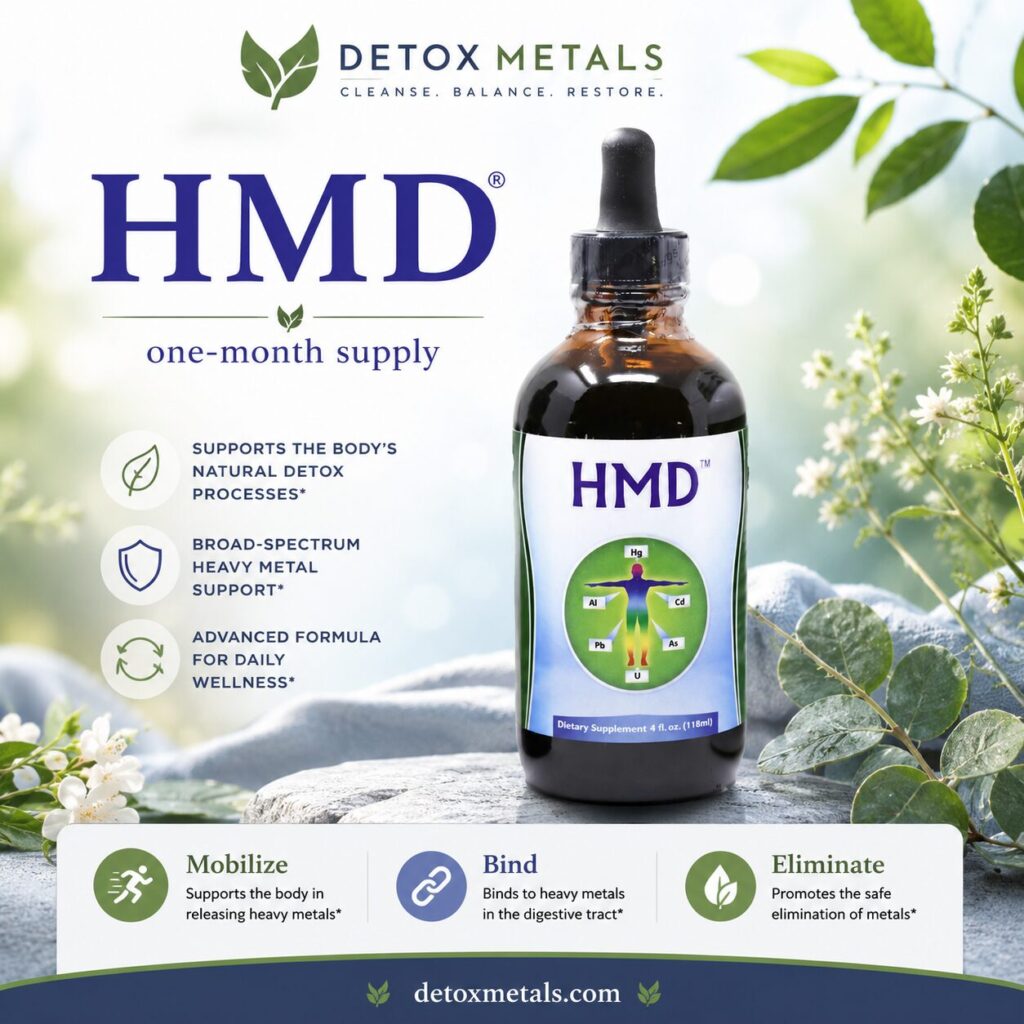
Dr. Georgiou’s HMD® detox protocol
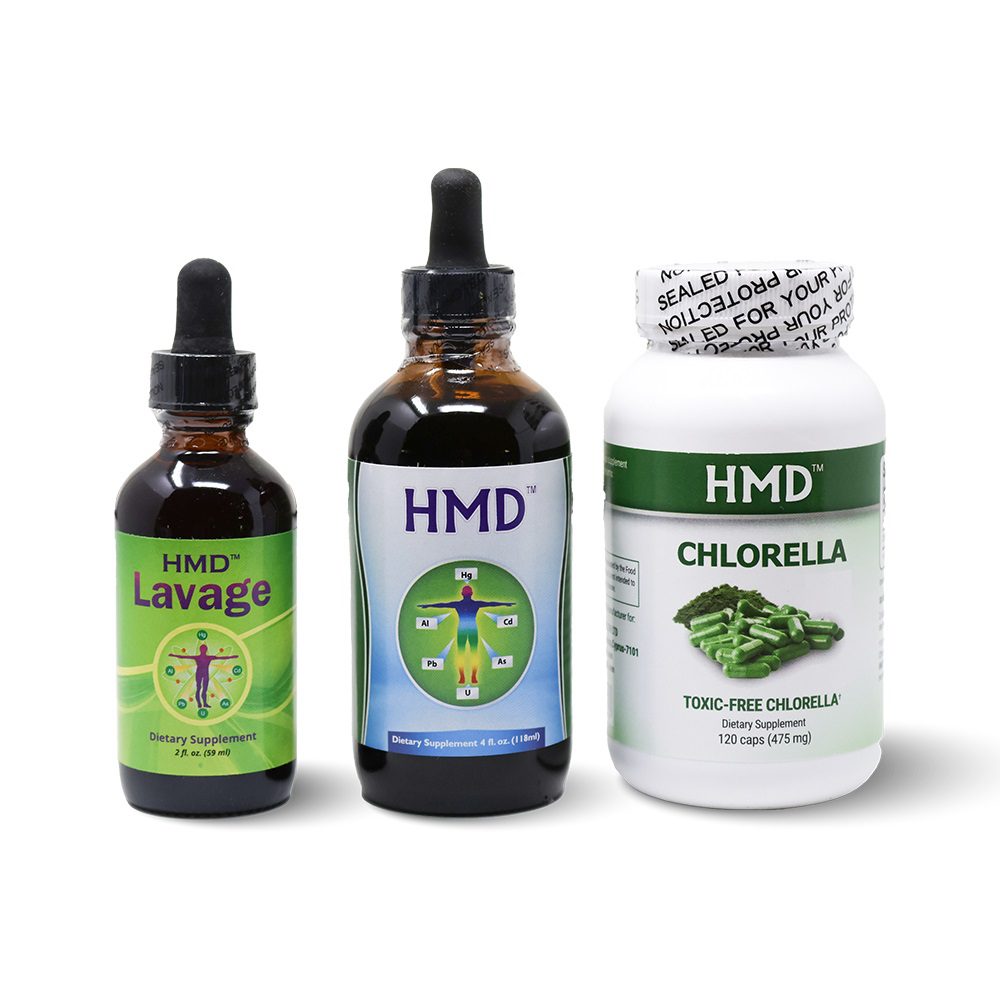
For readers interested in natural detox support, Dr. Georgiou’s HMD protocol has been shown in clinical research to remove lead, as well as other toxic metals.
HMD® is positioned as a structured heavy-metal detox approach, and DetoxMetals materials describe it as being used for toxic metal burden support, including lead. The DetoxMetals.com site also references clinical use and research-oriented claims around the protocol.
In practice, a lead-support detox approach (under professional guidance) usually focuses on:
That order matters. If exposure is still coming in every day, detox support will always be less effective.
Final thought
The big takeaway here is simple:
Lead contamination in food keeps happening because the problem is environmental, agricultural, industrial, and global—not just “bad parenting” or “bad products.” The good news is that families can reduce risk meaningfully with a few smart habits, and regulators are finally treating chronic low-level exposure with the seriousness it deserves.
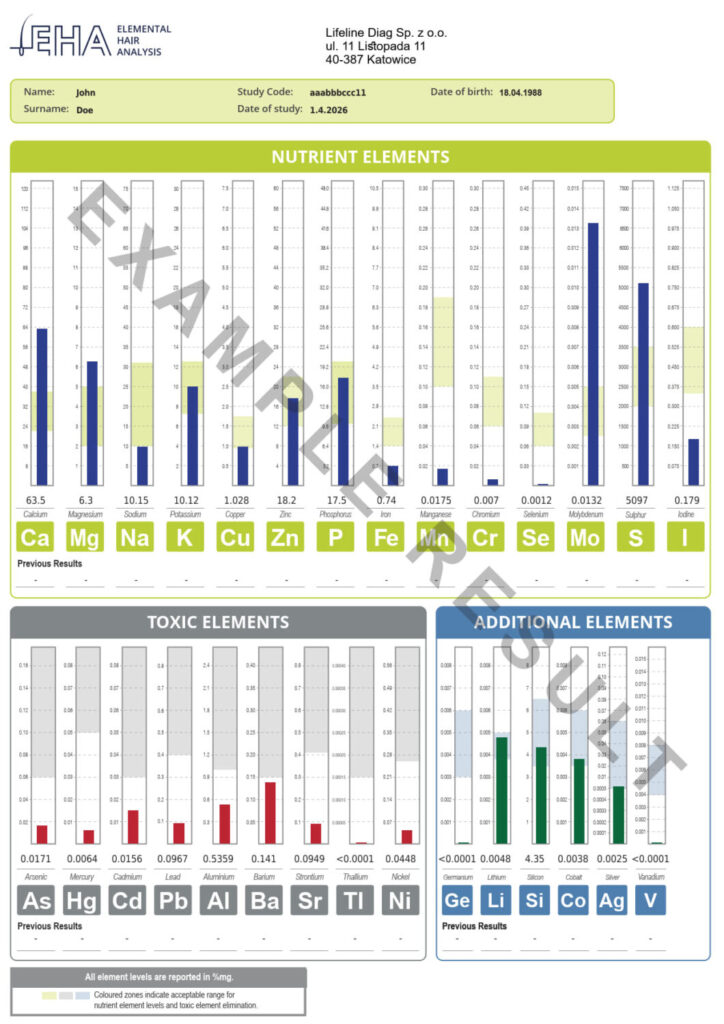
Before you detox, test first. Discover your toxic metal burden and mineral balance with the HMD® Hair Mineral Analysis & Toxic Metals Test.
(3 customer reviews)
125.00 €
Processed by a certified laboratory using ICP-OES Spectrometry
Already have your lab results? Skip to Step 2 and choose your clinical HMD® Protocol below.
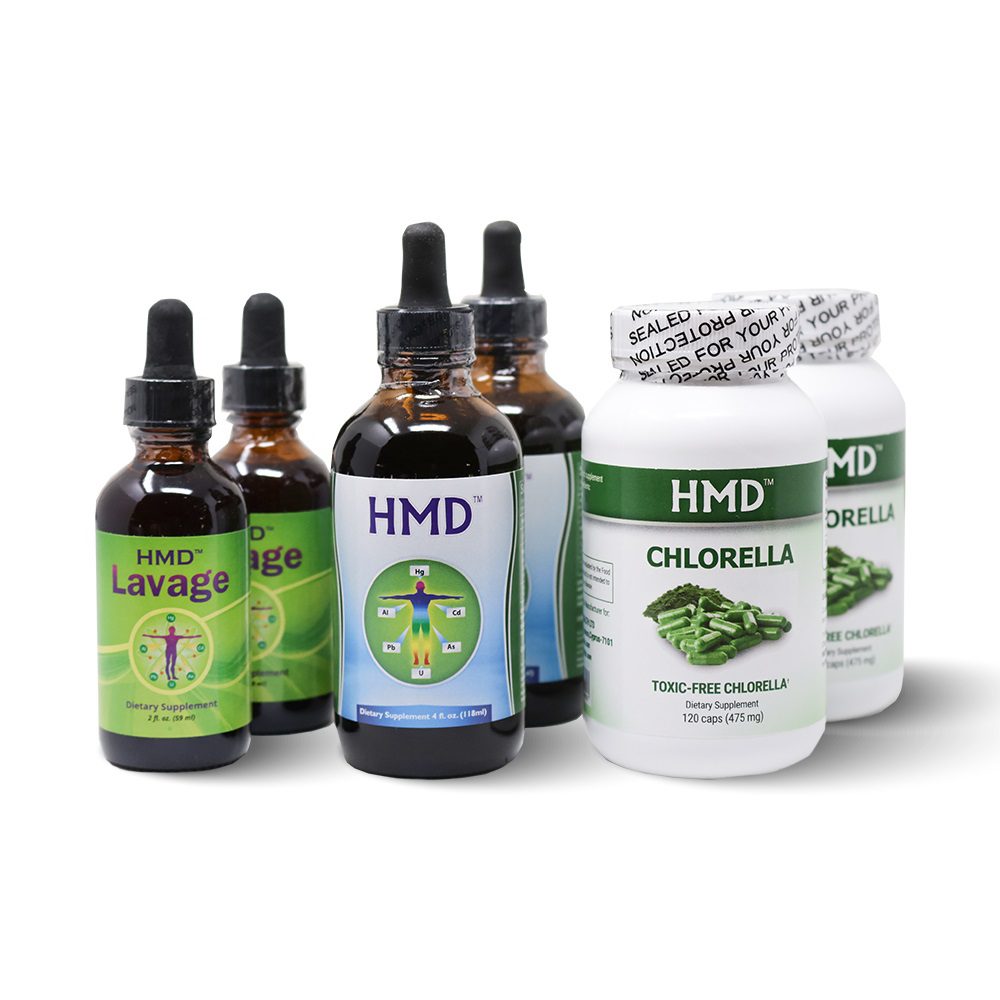
More prolonged to remove deeper toxins
$285 $213.75
(Save 35%)
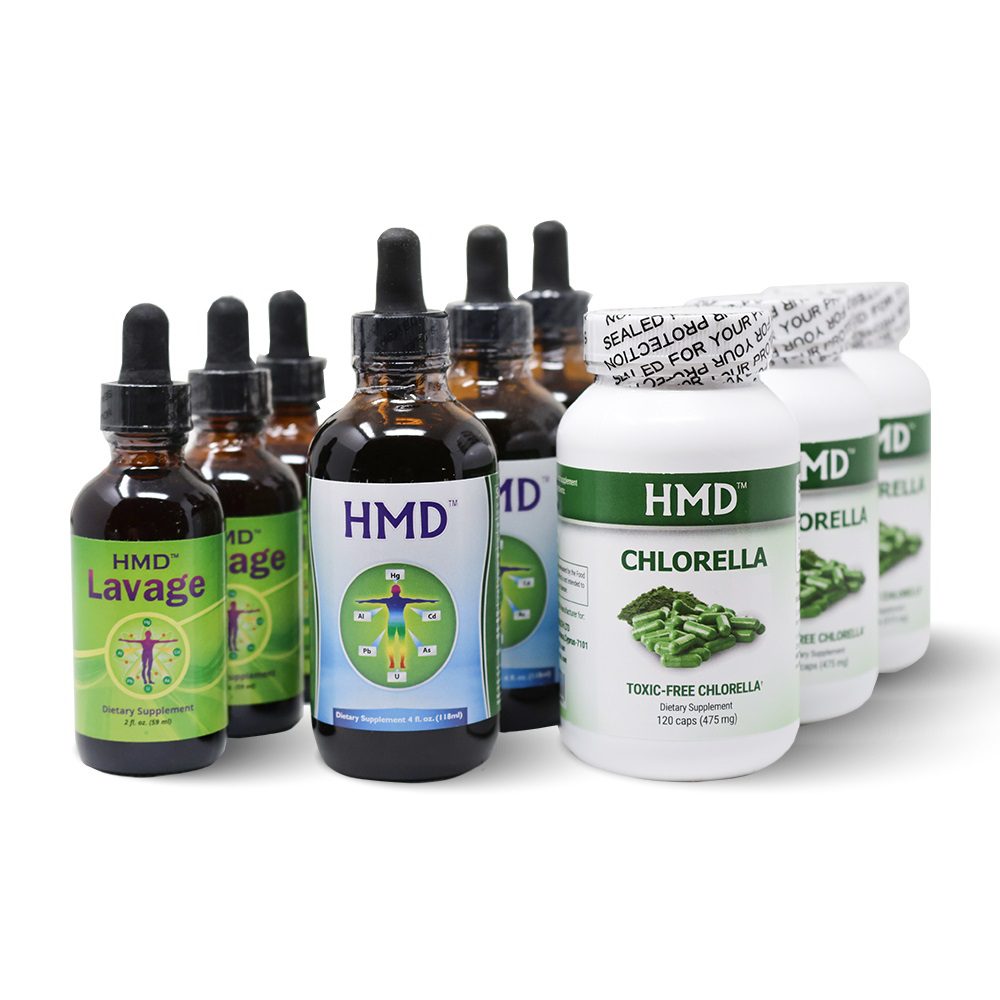
This 90-Day detox will help to eliminate a considerable load from the body.
$427 $256.20
(Save 45%)
Many people continue for 60 or 90 days depending on symptom history and exposure levels.



Alkaline Detox Diet best body detox best detox kit best detox supplements best full body detox best heavy metal detox best heavy metal detox for adults best herbal detox best metal detox best thc detox kit body cleanse supplements body detoxification supplements children and heavy metals chlorella detox Copper Toxicity in Drinking Water detox kit detox pack detox supplements detox tablets early symptoms of heavy metal toxicity full body detox kit hair mineral analysis heavy metal detox Heavy Metal Detox Benefits Heavy Metal Detox Diet heavy metal detox kit heavy metals detox Heavy Metals Drinks heavy metals in food heavy metals thyroid HMD Heavy Metal Detox HMD Ultimate Detox Pack Mercury Detox mercury thyroid effects Natural Heavy Metal Detox natural supplement for aluminum ORGANIC CHLORELLA pure body detox pure body extra detox Sources of Copper Exposure thyroid dysfunction causes toxic metal detox toxic metals in food ultimate detox What is a Homaccord
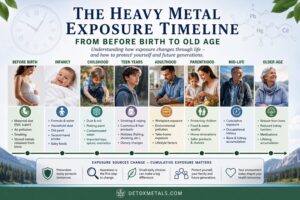

PODCAST: HOW HEAVY METAL EXPOSURE CHANGES THROUGHOUT LIFE The Heavy Metal Exposure Timeline How Toxic Metal Exposure Changes Throughout Life From Before Birth to Healthy Ageing Heavy metal exposure
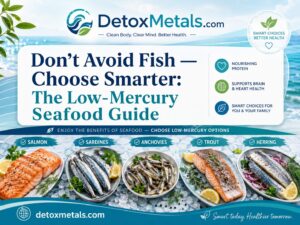
PODCAST: THE LOW-MERCURY SEAFOOD GUIDE Don’t Avoid Fish — Choose Smarter! The Low-Mercury Seafood Guide Fish, Mercury and the Smart Seafood Strategy Fish is one of the most

PODCAST: LEAD & CADMIUM IN CHOCOLATE Dark Chocolate, Cacao and Cadmium The Uncomfortable Truth About a “Healthy Treat” Is Dark Chocolate Still Healthy? The Lead and Cadmium Question Dark