How everyday food, air, water, products and technology may be adding to our toxic burden
There was a time when people thought of heavy metal exposure as something that happened mainly in factories, mines or industrial workplaces. That picture is now outdated.
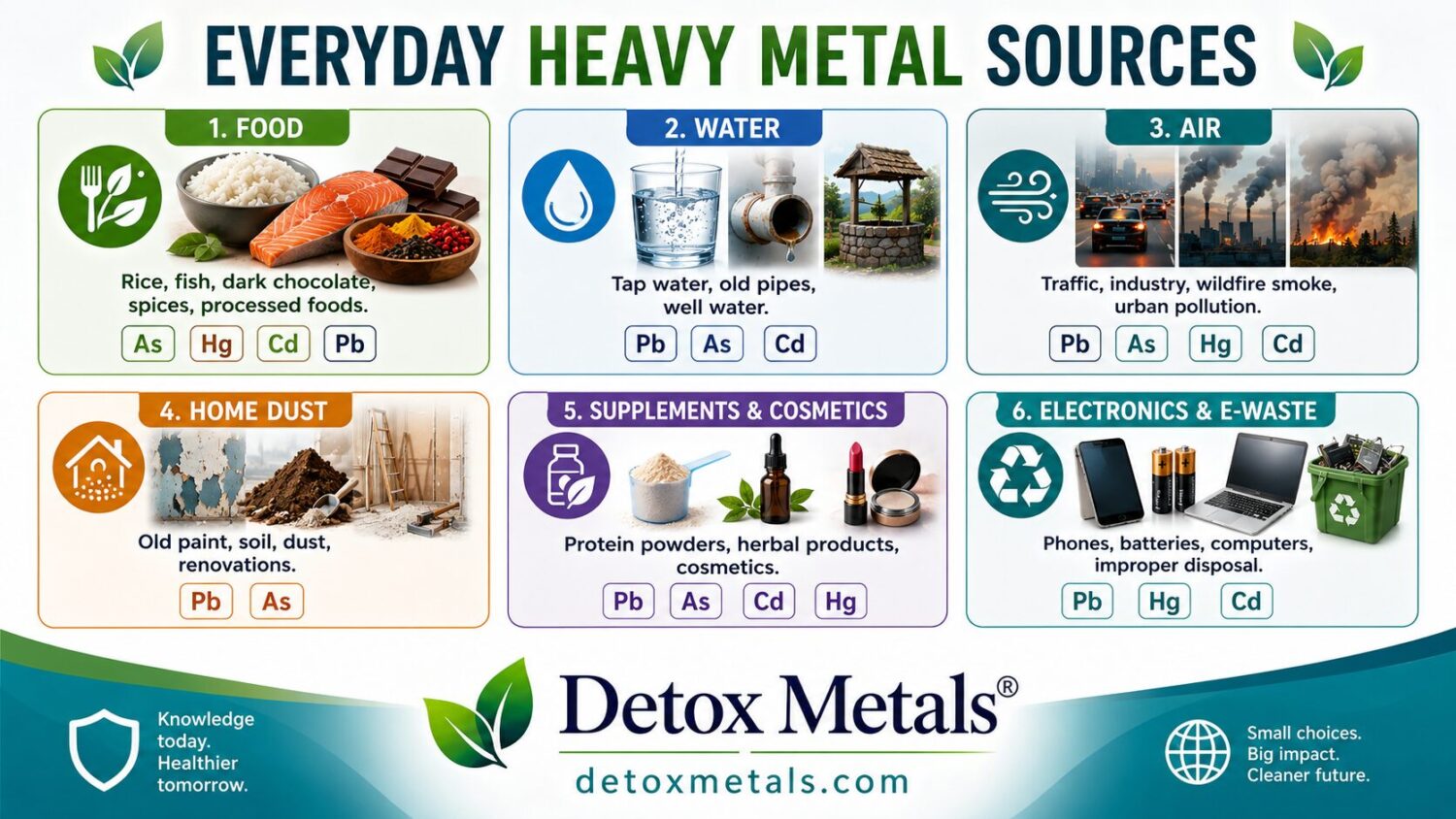
Today, heavy metals can show up in places that look completely normal: a protein shake, a piece of dark chocolate, a bowl of rice, a cinnamon-containing snack, old house dust, tap water, cosmetics, wildfire smoke, electronic waste, fish, soil, and even some “healthy” supplements.
This is the new detox problem: modern exposure is not always dramatic, obvious or occupational. It is often quiet, repeated and spread across many small daily sources.
That does not mean we should panic. It means we should become smarter.
The goal is not to live in fear of every meal, every product and every breath. The goal is to understand where exposure may come from, how toxic metals affect the body, and what practical steps can reduce the burden over time.
Heavy metals are not just “old-fashioned toxins”
The metals most often discussed in toxicology are lead, mercury, cadmium and arsenic. Chromium, nickel and aluminum can also matter in certain contexts, but lead, mercury, cadmium and arsenic are the big ones most people have heard about.
The World Health Organization describes lead as a toxic metal that can affect many body systems. Children are especially vulnerable because lead can harm brain and nervous system development, but adults may also experience increased risk of high blood pressure, cardiovascular problems and kidney damage with exposure.
Mercury is another major concern. WHO lists mercury among chemicals of major public health concern and notes that it can affect the nervous, digestive and immune systems, as well as the lungs, kidneys, skin and eyes. It is particularly important during pregnancy and early childhood because the developing nervous system is more sensitive.
Cadmium is a quieter toxic metal, but an important one. It is used in batteries, pigments and industrial processes, and it can also appear in foods grown in contaminated soil. The UK Health Security Agency notes that kidney toxicity is considered the critical toxic effect for cadmium exposure.
Arsenic is a naturally occurring element that can contaminate groundwater and certain foods. The FDA monitors arsenic in foods, dietary supplements and cosmetics because exposure at certain levels can be harmful. ATSDR notes that long-term exposure to inorganic arsenic can lead to characteristic skin changes such as pigmentation changes and keratosis.
So the issue is not that heavy metals are new. The issue is that the pattern of exposure has changed.
The new exposure pattern: small amounts, many sources
In modern life, the problem is often not one giant exposure. It is the accumulation of many little exposures.
A person may drink tap water from older plumbing, eat high-cacao chocolate daily, use plant-based protein powder, consume rice-based foods, eat high-mercury fish, use imported spices, live near traffic or wildfire smoke, renovate an older home, and take supplements that have not been properly tested.
Each one of these may be small. But the body experiences the total.
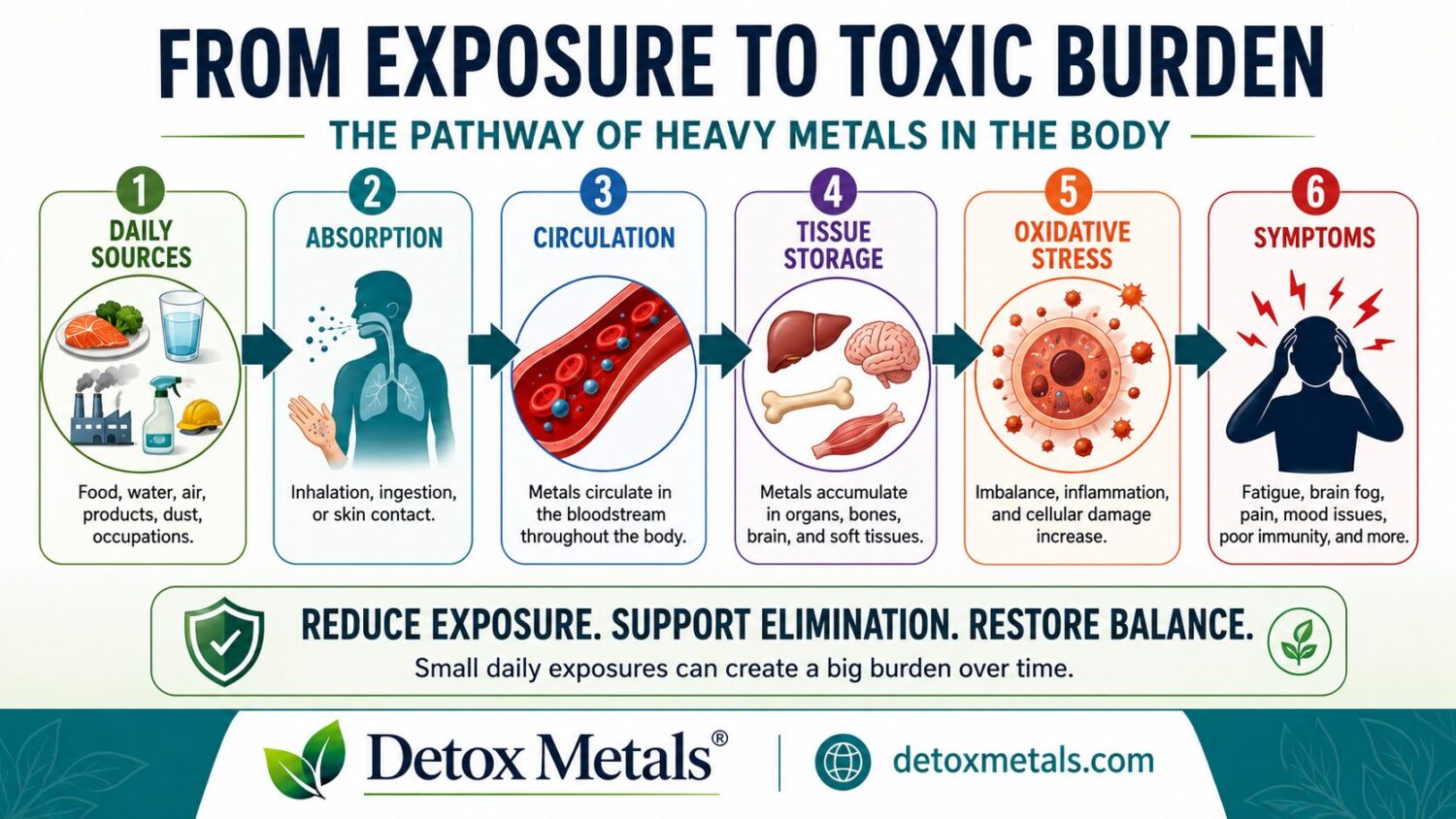
That is why I prefer the phrase toxic burden rather than simply “toxicity.” Toxicity sounds like an emergency. Toxic burden better describes the gradual pressure placed on the body by chemicals, metals, pollutants and lifestyle stressors over time.
Food: the exposure source people trust the most
Food is one of the most important routes of exposure because we eat every day.
Rice and arsenic
Rice is a well-known example because it can absorb arsenic from soil and water more readily than many other grains. The FDA has set an action level for inorganic arsenic in infant rice cereals at 100 micrograms per kilogram, partly because infants and young children are more vulnerable due to smaller body size and developmental sensitivity.
This does not mean rice is “bad.” It means variety matters. Rotating grains such as quinoa, oats, buckwheat, millet and barley can help reduce reliance on one food source.
Fish and mercury
Fish is healthy, but mercury changes the conversation. The FDA and EPA still recommend fish as part of a healthy diet, especially lower-mercury seafood, with pregnant or breastfeeding women advised to eat 8–12 ounces per week from lower-mercury choices.
The problem is not seafood itself. The problem is regularly eating larger predatory fish that accumulate more methylmercury, such as shark, swordfish, king mackerel, bigeye tuna and some types of tilefish.
A simple rule: smaller fish are usually safer than big predator fish.
Dark chocolate and cadmium/lead
Dark chocolate is often promoted as a healthy treat because of its polyphenols. But several investigations have raised concerns about lead and cadmium in dark chocolate. Consumer Reports tested 28 dark chocolate bars and found measurable cadmium and lead in all of them.
Again, this does not mean chocolate is forbidden. It means daily high-cacao chocolate may not be the best habit for someone already concerned about heavy metal burden.
Spices and lead
The cinnamon issue has made many people rethink “natural” products. FDA investigations into cinnamon-containing applesauce pouches found elevated lead and chromium, with many adverse event reports potentially linked to these products. FDA also issued public health alerts about certain ground cinnamon products with elevated lead levels.
This is a good reminder that contamination can happen anywhere in the supply chain. A natural product is not automatically a clean product.
Health products: when “healthy” is not always clean
One of the most uncomfortable modern detox issues is that people trying to improve their health may accidentally increase their toxic burden.
Protein powders are a good example. The Clean Label Project reported testing 160 protein powder products and found that 47% exceeded at least one federal or state regulatory safety threshold, including California Proposition 65, while 21% were more than twice Prop 65 levels. Consumer Reports also reported lead concerns in many protein powders and shakes it tested.
Plant-based powders may sometimes be more vulnerable because plants can absorb metals from soil. This does not mean all plant proteins are contaminated. It means people using powders daily should choose brands that publish third-party testing.
Cosmetics are another overlooked source. The FDA has tested cosmetics for arsenic, cadmium, chromium, cobalt, lead, mercury and nickel, noting that metals such as arsenic, cadmium, lead and mercury can be toxic depending on amount, route and duration of exposure.
The key message is simple: quality control matters. Supplements, herbs, protein powders and cosmetics should come from companies that test properly and disclose standards.
Homes, dust and old buildings
Lead exposure is still strongly linked with older housing, paint, dust and contaminated soil. EPA explains that lead is harmful if inhaled or swallowed and is especially important for young children and pregnant women.
This matters during renovations. Sanding, scraping, drilling or demolishing older painted surfaces can turn hidden lead paint into breathable or ingestible dust. Children can then pick it up from floors, windowsills, toys and hands.
A “detox lifestyle” is not only about supplements. Sometimes it is about taking shoes off at the door, wet-mopping dust, using HEPA filtration, testing old paint before renovating, and being careful with soil around older homes.
E-waste: the toxic afterlife of modern technology
We love our phones, laptops, batteries and electronics, but they have a toxic afterlife when poorly recycled or dumped.
WHO says millions of electrical and electronic devices are discarded every year and can become a threat to health and the environment if not disposed of or recycled properly. WHO also notes that children involved in or living near unsafe e-waste recycling may be exposed to lead, mercury, cadmium and other toxic chemicals, many of which can affect neurodevelopment even at very low exposure levels.
The EPA similarly warns that unsafe e-waste practices can expose workers to contaminants such as lead, mercury, cadmium and arsenic, with possible irreversible health effects including neurological damage and diminished IQs.
This is the modern world in one example: the same technology that makes life easier can create a toxic burden somewhere else if disposal is careless.
Air pollution, wildfire smoke and urban dust
Air pollution is not only about exhaust fumes. Fine particles can carry metals and other pollutants. Wildfires can be especially complex when they burn homes, cars, wiring, batteries, treated wood, plastics and industrial materials.
We covered this in detail in the wildfire smoke article, but it belongs here too because it is part of the new detox reality. Smoke, ash and urban dust can become exposure routes for metals such as lead, arsenic, cadmium, chromium and mercury depending on what has burned.
This is where prevention matters: indoor air filtration, N95 masks during smoke events, careful ash cleanup, and reducing indoor dust can all lower exposure.
Microplastics and heavy metals: a new mixture problem
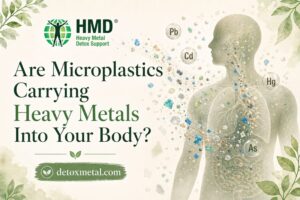
One of the more cutting-edge areas is the interaction between microplastics and metals. Reviews now discuss microplastics as possible carriers of environmental pollutants, including heavy metals, which may amplify health concerns depending on exposure conditions.
This is not a reason to panic every time we touch plastic. But it is another reason to reduce unnecessary plastic exposure where practical: avoid heating food in plastic, choose glass or stainless steel for hot liquids, use filtered water where appropriate, and reduce ultra-processed packaged foods.
The body is not exposed to one thing at a time. Real life is a mixture: metals, plastics, pesticides, solvents, air pollutants, food additives, stress, poor sleep and inflammation. That is why a modern detox strategy must be realistic and broad.
How heavy metals affect the body
Heavy metals can interfere with health in several ways.
They may increase oxidative stress, meaning they push the body toward more free radical damage. They may disrupt mitochondria, the energy-producing structures inside cells. They may bind to sulfur-containing groups in proteins and enzymes. They may interfere with minerals such as zinc, calcium, selenium and iron. They may affect the nervous system, kidneys, liver, immune system, hormones and cardiovascular system.
The symptoms can be vague: fatigue, brain fog, headaches, poor concentration, tingling, mood changes, digestive issues, sleep problems, chemical sensitivity or poor recovery. But here is the important warning: symptoms alone do not diagnose heavy metal toxicity.
Many of those symptoms can also come from thyroid disease, anaemia, B12 deficiency, mould exposure, infections, poor sleep, stress, blood sugar imbalance, autoimmune disease or medication side effects.
Good practice means asking:
What are the likely sources?
Is exposure still happening?
Which metal is most plausible?
What test actually matches that exposure?
Is the patient medically fragile?
Are the bowels, kidneys and liver functioning well?
Is practitioner support needed?
A practical modern detox checklist
Here is the kind of simple checklist I would give to customers.
Clean up the daily diet
Do not obsess over one food. Rotate.
Rotate grains instead of relying heavily on rice.
Choose lower-mercury fish.
Keep dark chocolate as a treat, not a daily food group.
Buy spices from trusted brands.
Use whole foods more often than powdered replacements.
Choose cleaner supplements
Look for third-party testing.
Avoid unknown imported products.
Be careful with very cheap herbal products.
Do not take multiple detox supplements at once without guidance.
Ask for Certificates of Analysis when possible.
Improve indoor air and dust control
Use HEPA filtration where possible.
Remove shoes indoors.
Wet-mop instead of dry sweeping.
Test old homes before renovation.
Keep children away from peeling paint and contaminated dust.
Reduce plastic and packaging exposure
Avoid microwaving plastic.
Use glass or stainless steel for hot drinks and food.
Filter water where needed.
Reduce heavily packaged ultra-processed foods.
Dispose of electronics responsibly
Recycle batteries and devices through safe programs.
Do not burn electronics.
Do not dismantle electronics without proper safety procedures.
Keep children away from e-waste handling.
Support natural elimination
The body uses the liver, bile, gut, kidneys, lymph, sweat and bowels to process and eliminate unwanted substances. The basics are not glamorous, but they matter:
hydration
fibre
protein
minerals
regular bowel movements
sleep
movement
sweating when appropriate
antioxidant-rich foods
Where Dr. Georgiou’s HMD® Protocol fits in
Modern life has made heavy metal exposure more complicated. That is why I do not like random detoxing. A sensible detox strategy should first reduce ongoing exposure, then support the body’s normal elimination systems in a structured way.
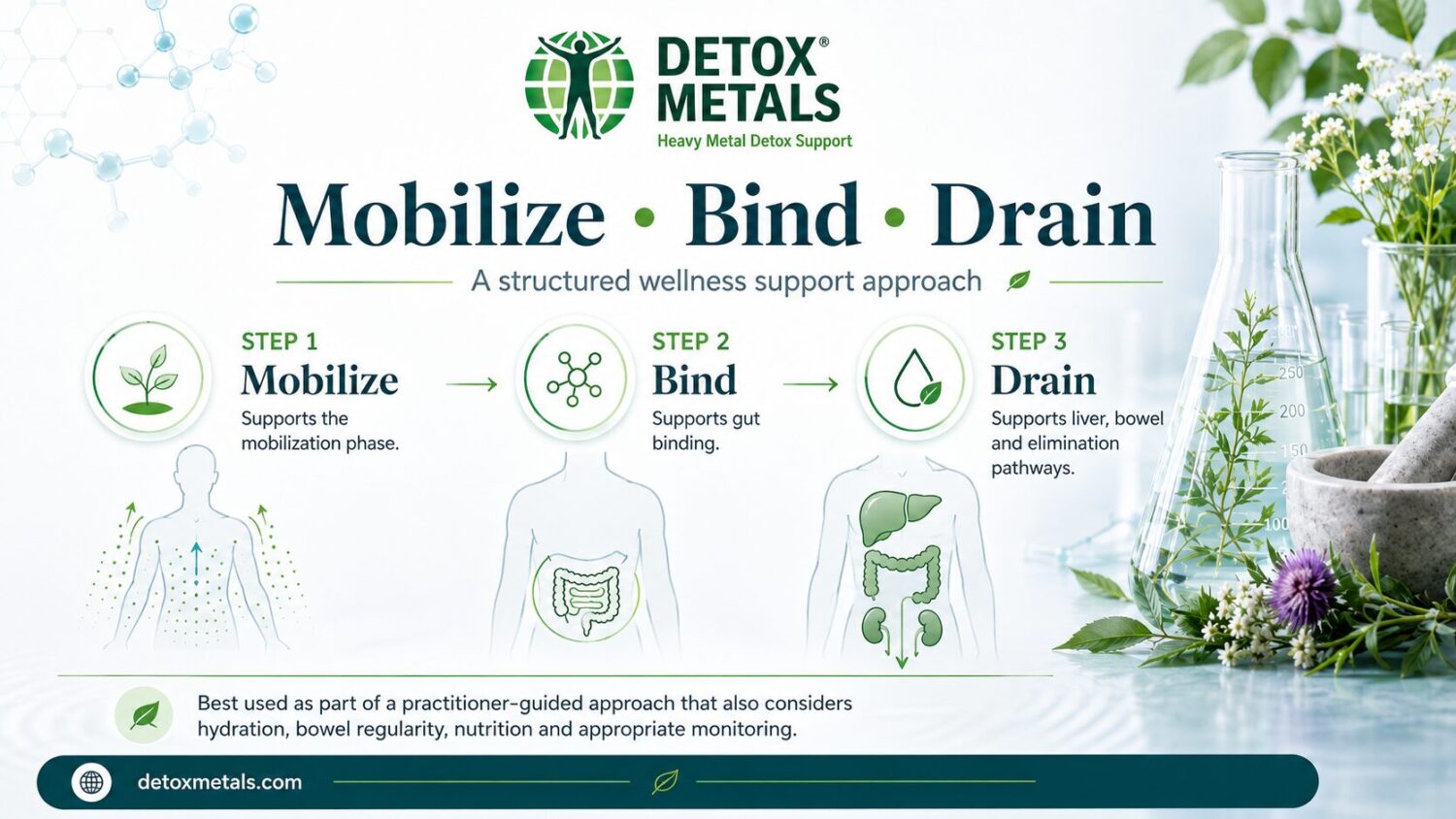
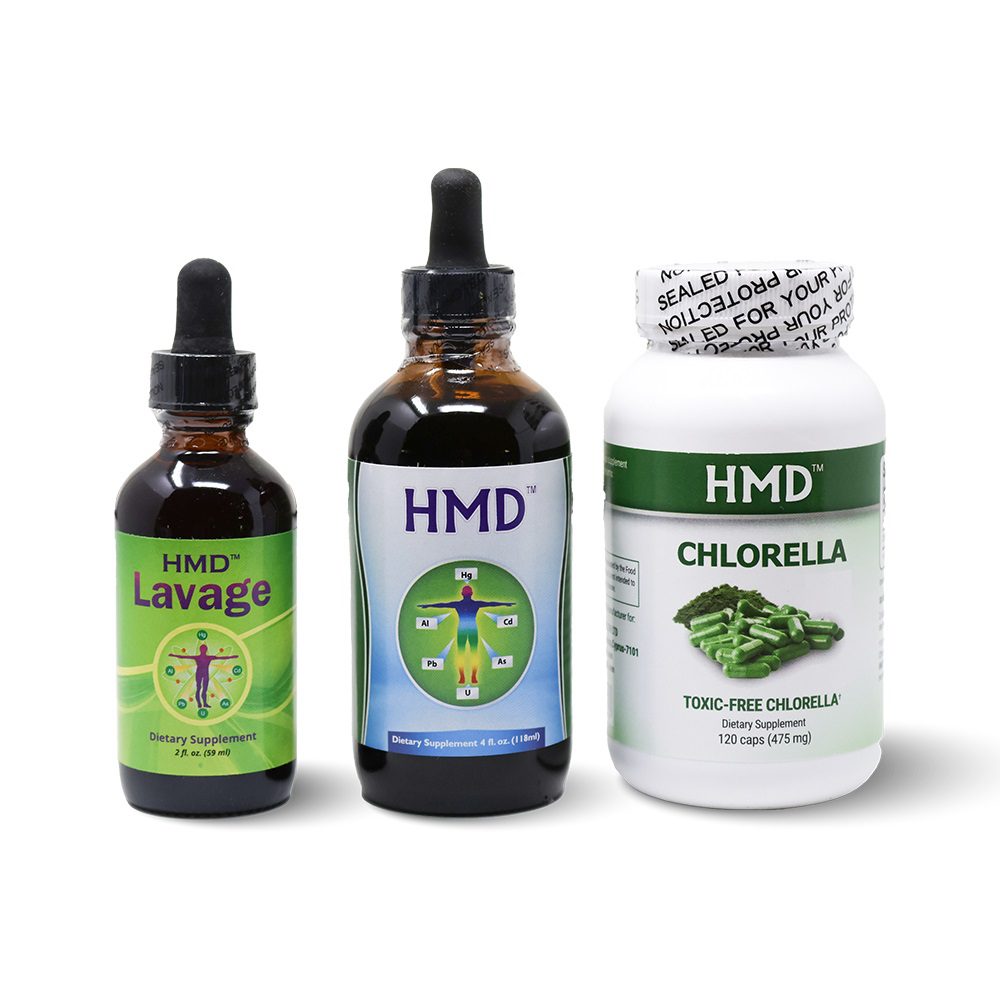
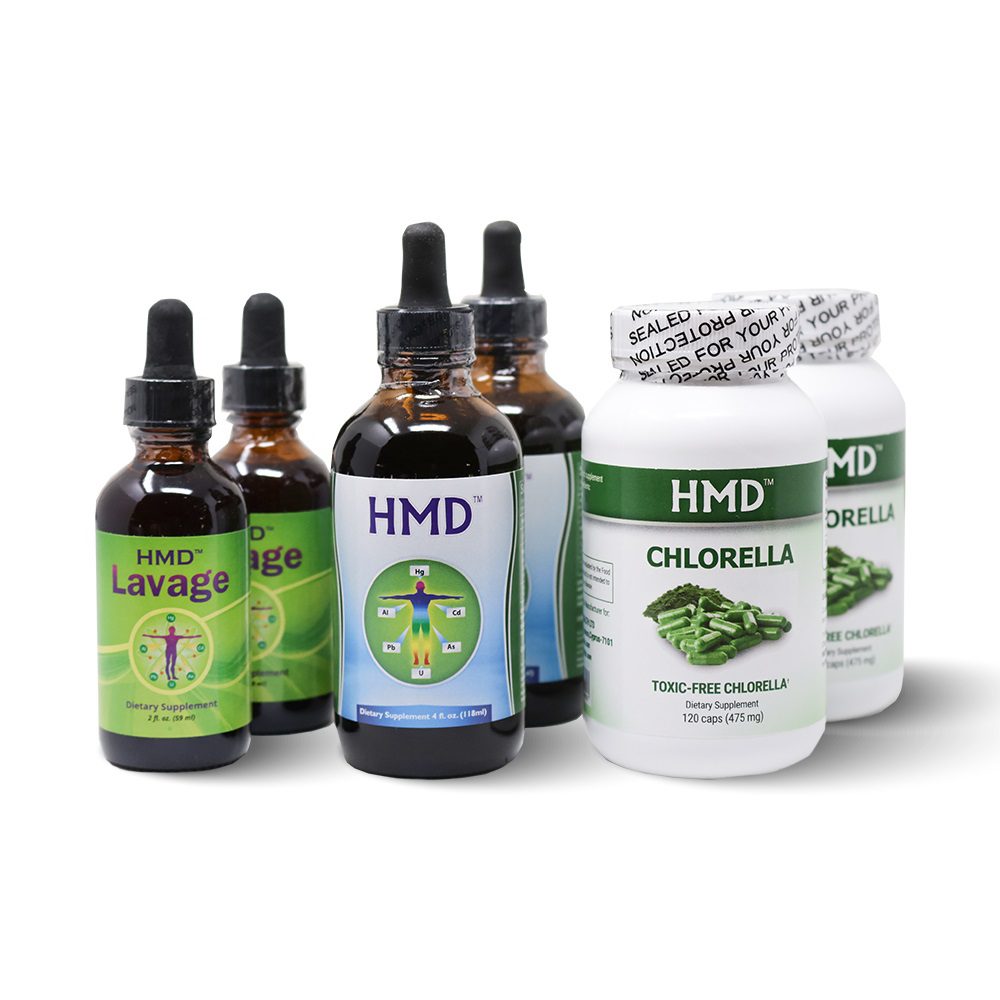
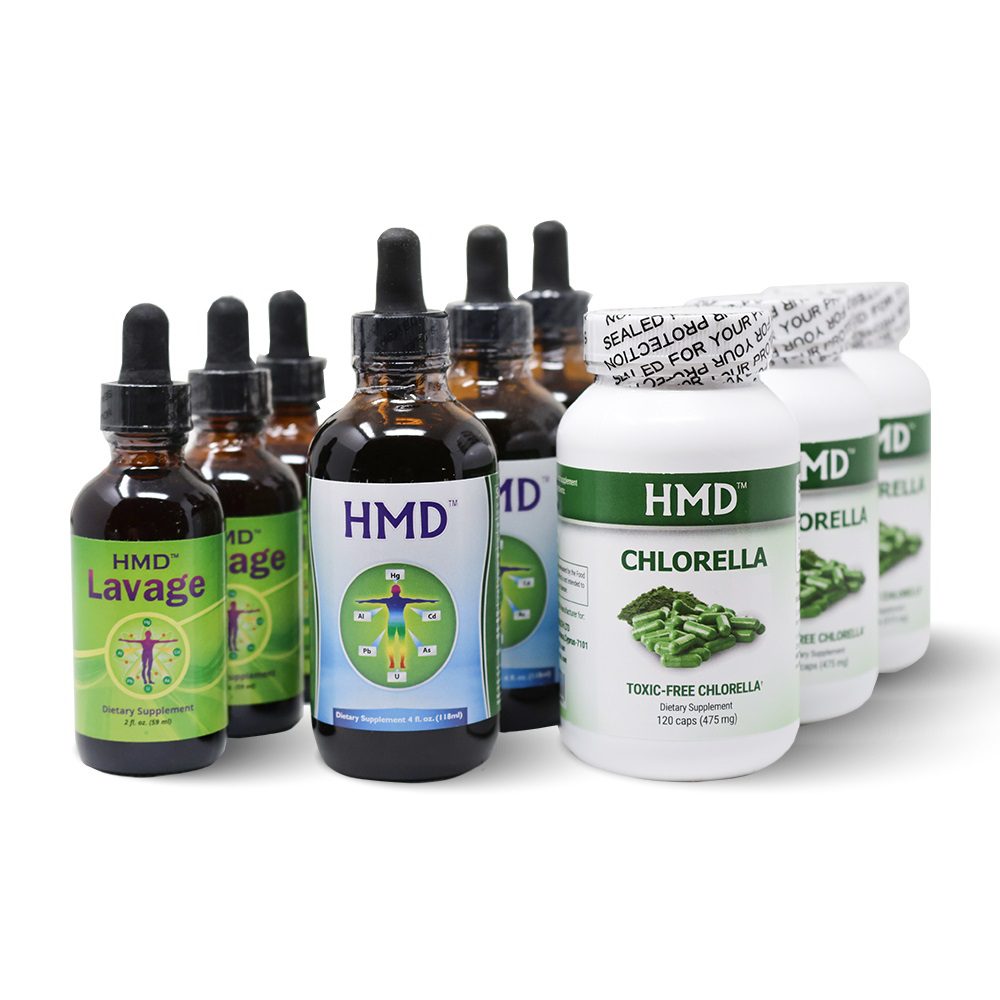
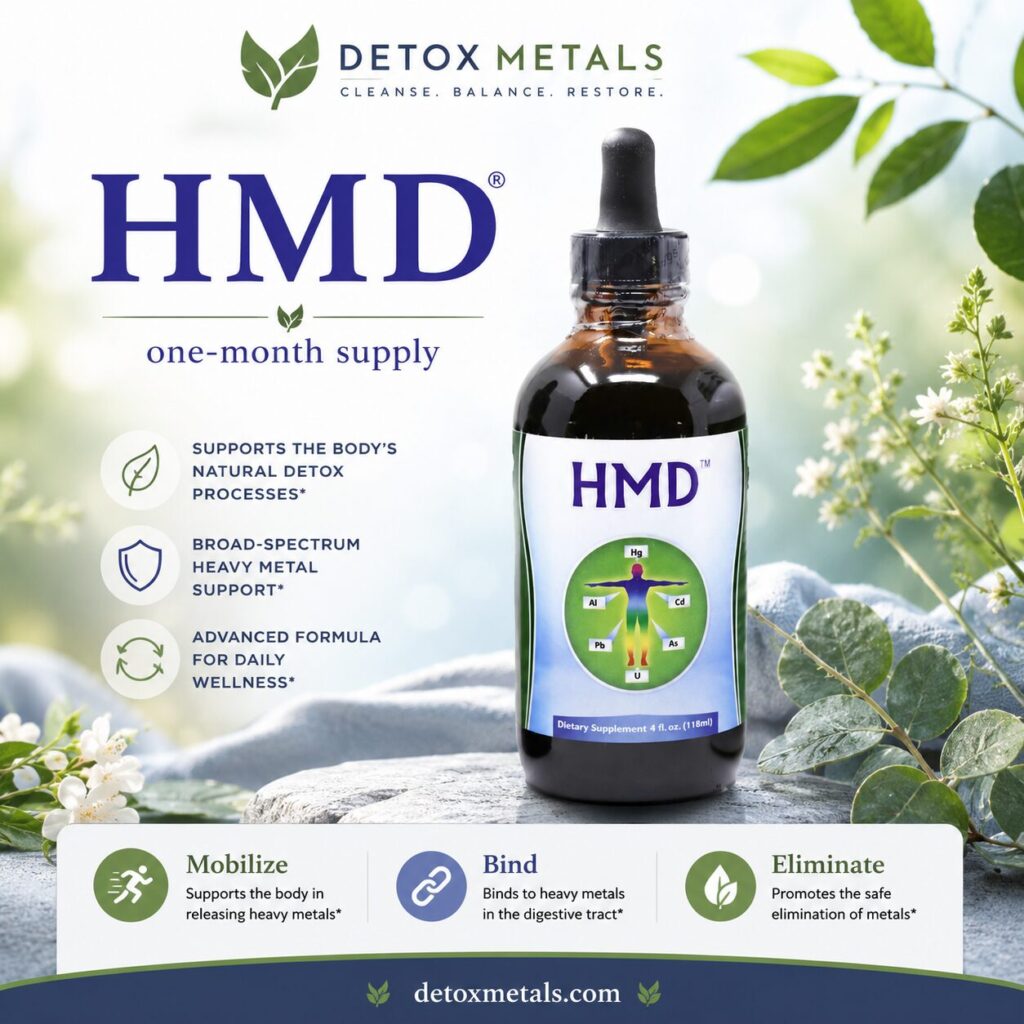
Dr. Georgiou’s HMD® Protocol is built around the practical idea of mobilize → bind → drain. The DetoxMetals site describes this approach in relation to HMD™, Chlorella and Lavage support.
In plain language:
Mobilize means supporting the movement of stored toxic metals.
Bind means helping capture substances in the gut so they are not simply reabsorbed.
Drain means supporting the elimination pathways — liver, bile, bowel, kidneys and lymph — so the body can actually move things out.
For customers, the key message is this: detoxification is not about punishing the body. It is about helping it work better. Start with the foundations, reduce avoidable exposure, test when appropriate, and use a structured protocol rather than guessing.
Final thought
The new detox problem is not one dramatic exposure. It is the modern mixture: food contaminants, air pollution, old homes, electronics, plastics, supplements, cosmetics, smoke, dust and soil.
The good news is that small changes add up. Cleaner choices, better filtration, smarter food rotation, safer product selection, responsible e-waste disposal, and structured detox support can all help reduce the body’s burden.
In today’s world, detox is not a fad. Done intelligently, it is part of modern preventive health.
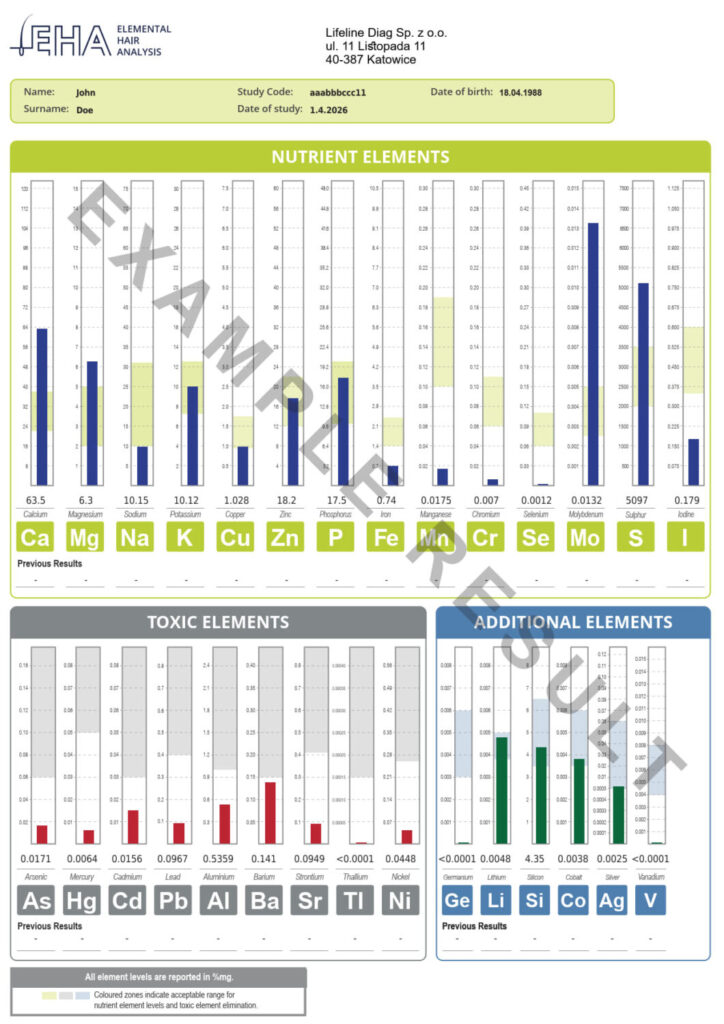
STEP 1: Test, Don't Guess.
Before you detox, test first. Discover your toxic metal burden and mineral balance with the HMD® Hair Mineral Analysis & Toxic Metals Test.
Dr. George J. Georgiou, Ph.D., N.D., D.Sc (AM), M.Sc., B.Sc, is a world-renowned expert in the field of holistic medicine and detoxification. As the inventor of the highly acclaimed Dr. Georgiou's Heavy Metal Detox Protocol, and the main product, HMD™ (Heavy Metal Detox), he has revolutionized the approach to natural heavy metal detoxification. With over 35 years of experience in natural medicine, he has authored 23 books, including the comprehensive guide 'Curing the Incurable with Holistic Medicine,' which offers invaluable insights and over 700 scientific references. Dr. Georgiou's groundbreaking work is sought after by individuals and practitioners worldwide through his Da Vinci Institute of Holistic Medicine and Da Vinci Holistic Health Center based in Larnaca, Cyprus.
20 Everyday Places Toxic Metals Can Hide The Heavy Metal Home Audit Most people think of heavy metal exposure as something that happens in factories, mines, laboratories, or polluted industrial
Are Microplastics Carrying Heavy Metals Into Your Body? The Hidden Link Between Microplastics and Heavy Metals Microplastics are now found in food, water, air, and even human samples. But the
What’s Really Hiding in Your Protein Powder? Healthy Habit or Hidden Toxin Source? Protein powders are popular, convenient and often marketed as healthy — but some may contain unwanted heavy