Heavy Metals: A Silent Threat to Modern Health
And What to Do About It
A lot of people still think heavy metal toxicity is an old-world problem — something tied to lead pipes, abandoned factories, or rare industrial accidents. But that picture is too narrow now.
The modern story is more subtle: ongoing, low-level exposure through food, water, cookware, dust, soil, and the wider environment. And that matters because heavy metals do not only cause dramatic poisoning. They can also create a slow, cumulative burden that affects health over time.
In January 2025, the FDA finalized action levels for lead in processed foods intended for babies and young children, and in December 2024 it warned that certain imported cookware made from specific metal alloys could leach lead into food.
In April 2025, a Science paper estimated that 14% to 17% of global cropland may be affected by toxic metal pollution, with 0.9 to 1.4 billion people living in higher-risk regions.
What makes this especially important is that metals such as lead, mercury, cadmium, and arsenic are linked to effects far beyond one organ system. The World Health Organization says lead can affect the brain, kidneys, blood, immune system, and reproductive system, and that there is no level of lead exposure known to be without harmful effects.
WHO also estimates that lead exposure contributed to more than 1.5 million deaths globally in 2021, mainly through cardiovascular effects. Mercury is listed by WHO as one of the top ten chemicals of major public health concern, while cadmium is known to damage the kidneys, bones, and lungs and is classified as a human carcinogen.
Arsenic, especially inorganic arsenic, is also associated with long-term risks including skin lesions, neuropathy, diabetes, cardiovascular disease, and several cancers.
Lead is still one of the biggest concerns
Lead remains one of the clearest examples of how a toxic metal can quietly affect health at low levels. WHO notes that lead is stored in bones and teeth, where it can accumulate over time, and that it can be released back into the bloodstream during pregnancy, becoming a source of fetal exposure.
The CDC also states that no safe blood lead level in children has been identified, and that even low levels are associated with developmental delays, learning problems, and behavioural difficulties.
That is one reason the FDA’s 2025 move on baby foods matters: it reflects growing recognition that even everyday dietary exposure deserves closer control.
And this is not only a childhood issue. In adults, lead exposure is linked to hypertension, renal impairment, anaemia, immunotoxicity, and reproductive toxicity.
In other words, lead is not just something we worry about for children in old houses. It is a lifelong exposure issue that can affect health in many different ways.
Mercury is more than just a “fish issue”
Mercury often gets reduced to one sentence: don’t eat too much tuna. But the actual picture is broader. WHO says mercury exposure — even in small amounts — can threaten the developing child in utero and early in life, and can affect the nervous, digestive, and immune systems, as well as the lungs and kidneys.
The FDA’s fish guidance reflects that balance: fish can provide important nutrients, including those that support brain development, but people who are pregnant, breastfeeding, or feeding children are advised to choose a variety of fish that are lower in mercury.
That nuance matters. The answer is not fear of all seafood. The answer is choosing more wisely — more salmon, sardines, trout, shrimp, pollock, and other lower-mercury options, and less frequent intake of higher-mercury species.
Cadmium is quieter, but still serious
Cadmium gets far less public attention than lead or mercury, but it has a long biological half-life and tends to accumulate over time. WHO notes that cadmium exposure primarily affects the kidneys, skeletal system, and respiratory system, and classifies cadmium as a human carcinogen.
For most people, exposure comes mainly through food and tobacco smoke, which means it can be part of ordinary modern living rather than some rare toxic event.
That quiet, cumulative nature is exactly why cadmium deserves more attention in preventive health. It often does not announce itself dramatically. Instead, it can become part of the background load on the body — another pressure on kidneys, bones, inflammation, and long-term disease risk.
Arsenic is still a modern exposure
Arsenic is another metal people tend to think of as a relic of the past, but ATSDR makes it clear that chronic exposure is still a real problem, especially through contaminated drinking water, including private wells, and in some foods depending on where they are grown.
Chronic inorganic arsenic exposure has been associated with skin changes, peripheral neuropathy, cardiovascular disease, type 2 diabetes, reproductive effects, and cancers, including lung, bladder, and nonmelanoma skin cancer.
That is why arsenic belongs in the same broader conversation as lead, mercury, and cadmium: not as a rare poisoning story, but as part of the modern environmental burden that can slowly shape long-term health.
The newer science is about mixtures, inflammation, and the gut
One of the most interesting developments in recent research is the move away from looking at one metal at a time. Real life does not work like that. People are often exposed to mixtures of metals, not just one.
A 2024 study using NHANES data found that combined exposure to lead, cadmium, and mercury was associated with systemic inflammation, measured by C-reactive protein, with mercury showing the strongest contribution in that analysis.
There is also growing interest in how metals interact with the gut microbiome. A 2024 review in Frontiers in Nutrition described how toxic metals can disrupt intestinal microbiota and metabolic pathways, potentially helping explain why metal exposure can affect so many systems at once.
That line of research is still evolving, but it points toward a bigger picture: heavy metals may influence health not only through direct tissue toxicity, but also through the microbial ecosystems that help regulate immunity, metabolism, and barrier function.
What can people actually do?
The first step is not to panic. It is reducing incoming exposure where possible. For lead, that can mean paying attention to older homes, dust, certain imported products, and cookware. For mercury, it means choosing lower-mercury fish more often.
For arsenic, private well water deserves special attention. And for cadmium, smoking matters enormously because tobacco is a major route of exposure. A varied diet also helps reduce repeated exposure to the same contaminated source.
The second step is recognising that heavy metal detox should make biological sense. It is not enough to stir toxins up. A good detox framework needs to consider mobilization, binding, and elimination in sequence. That is where many “quick detox” approaches fall short.
A more structured solution: Dr. Georgiou’s HMD Protocol
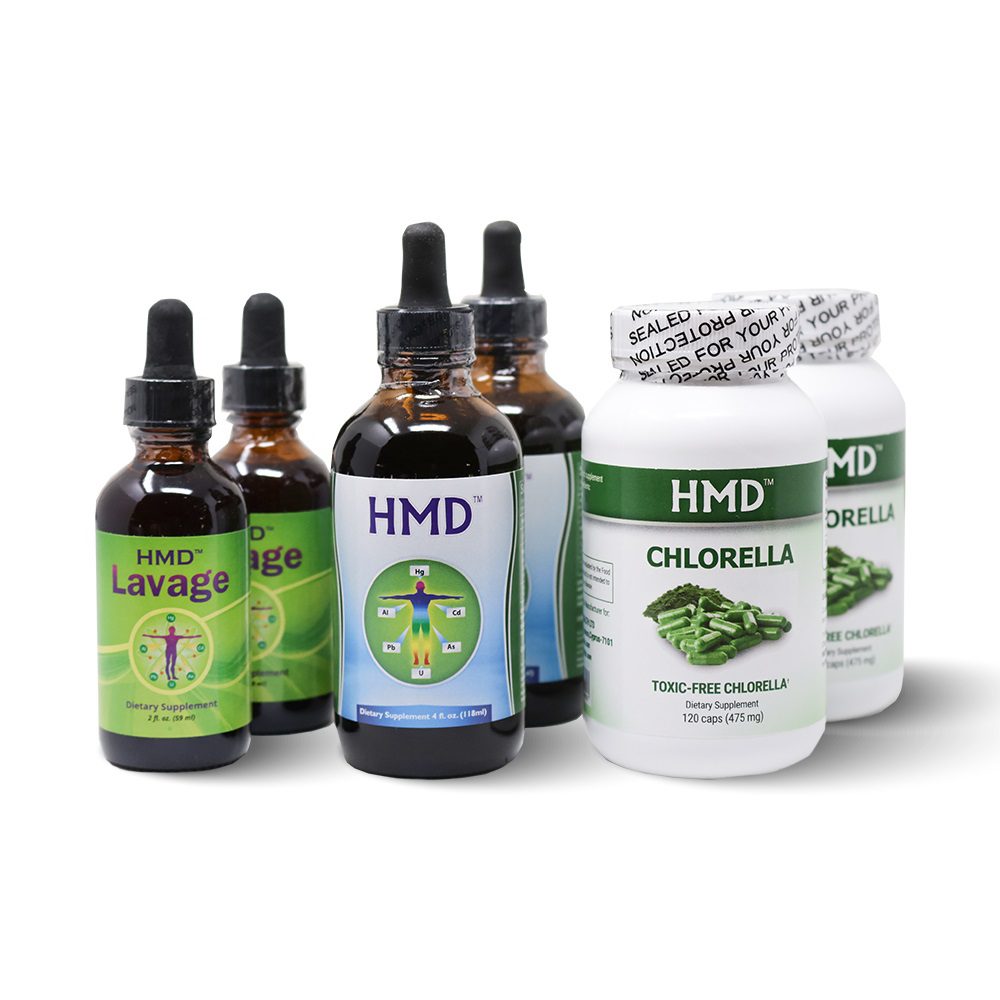
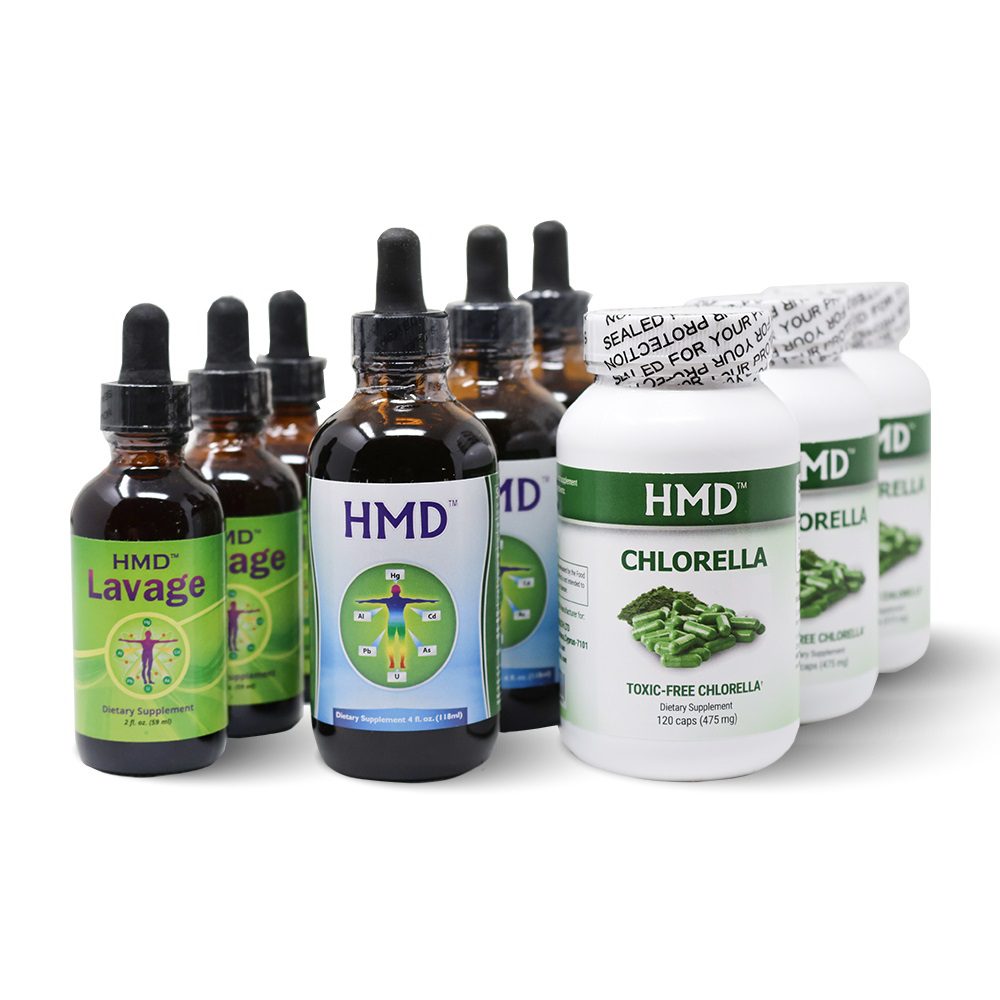
For readers who want a more practical next step, this is where Dr. Georgiou’s HMD Protocol comes in. Detox Metals presents the HMD approach as a three-part protocol rather than a one-product cleanse.
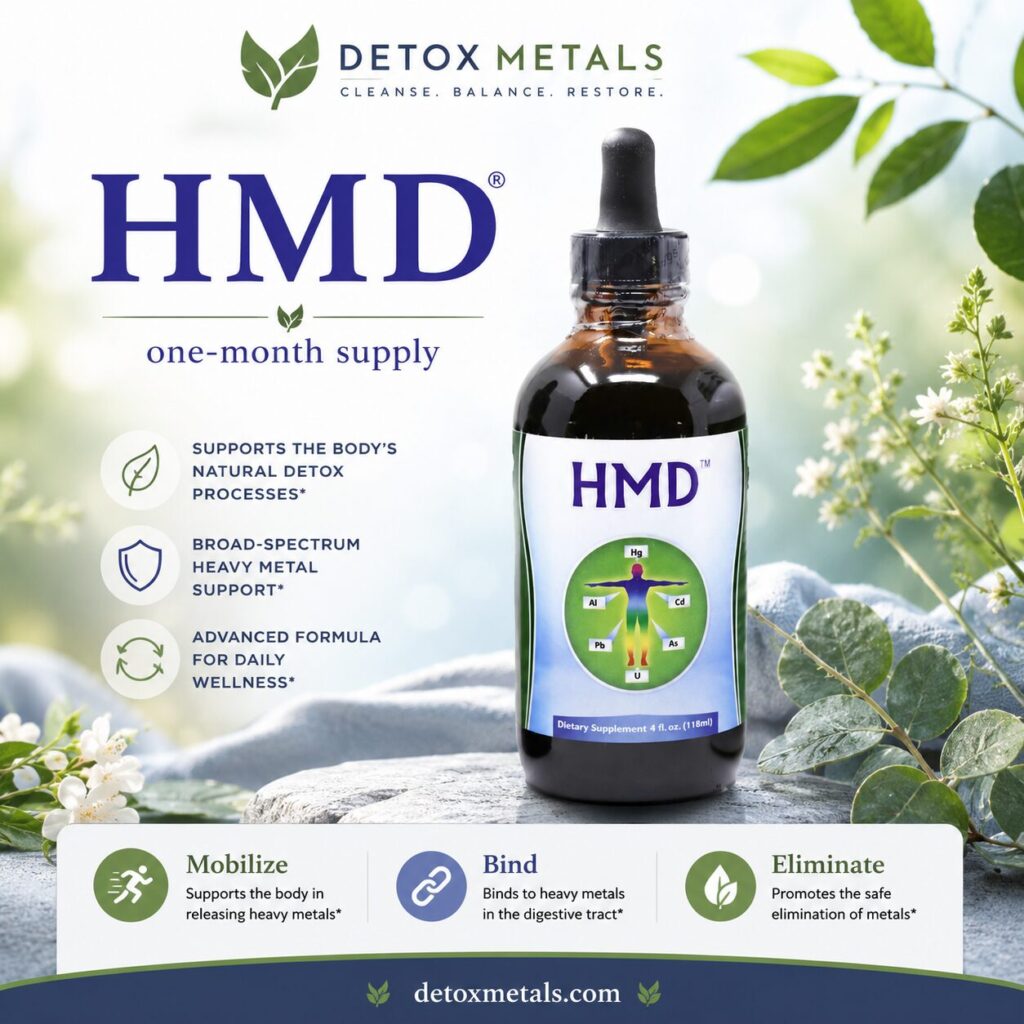
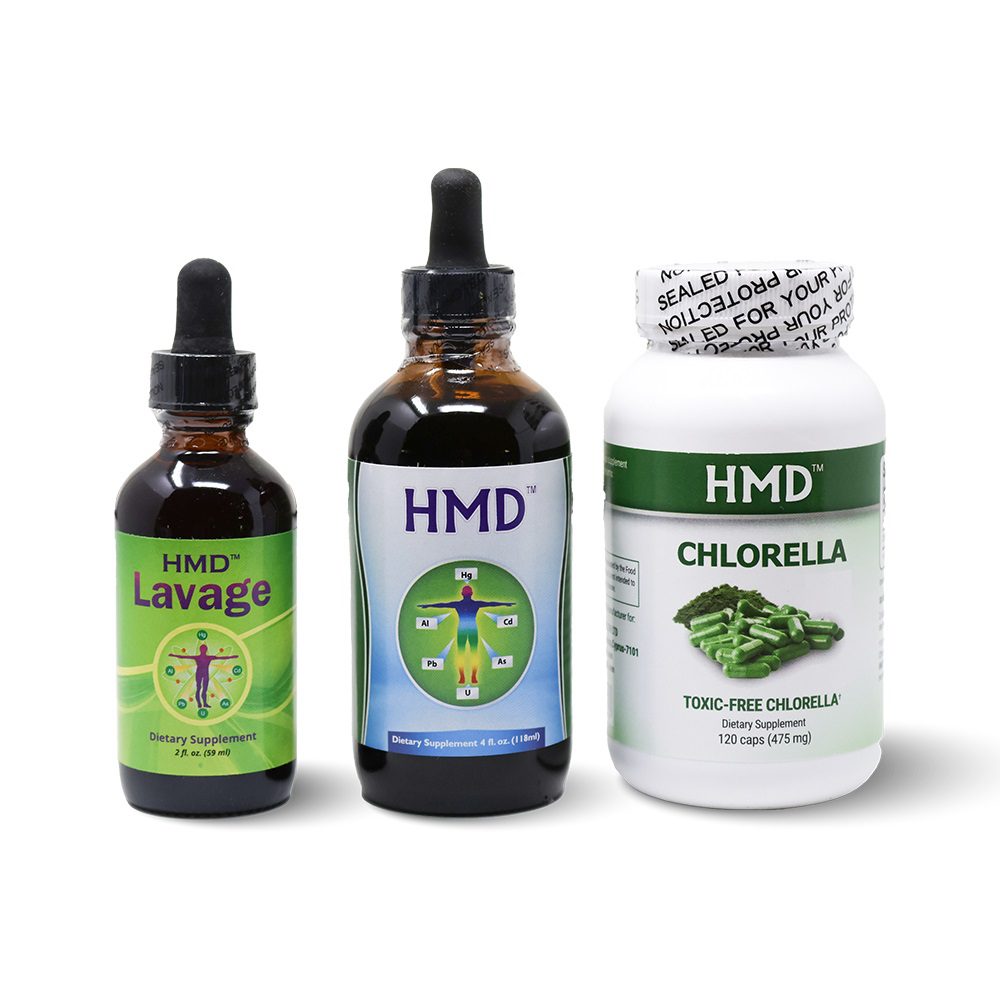
The first stage is mobilization, using HMD® to help mobilize intracellular metals.
The second stage is binding, using HMD® Organic Chlorella with meals to help bind metals in the gut and reduce recirculation.
The third stage is elimination, using HMD® Lavage to support the body’s drainage and detox pathways, particularly the liver and kidneys, with broader drainage support also described across the protocol materials.
That sequence is important. Detox Metals explicitly warns that mobilizing toxins without adequate binding and drainage can lead to redistribution, which is one reason some people feel worse on aggressive cleanses.
The HMD framework is built around the opposite logic: mobilize gently, bind effectively, and support elimination at the same time.
According to the published Detox Metals guidance, the typical adult protocol is HMD® 45 drops three times daily, Lavage 25 drops three times daily, and Organic Chlorella 2 capsules twice daily, usually used for a 90-day course, with slower titration recommended for sensitive individuals and those with chronic or neurological issues.
Detox Metals also advises good hydration and suggests working with a practitioner for more complex cases.
The bottom line
Heavy metals are not yesterday’s problem. They are part of today’s health landscape — in food, soil, cookware, water, and the environment more broadly. The newer science is making that clearer, not less clear.
It is also showing that the health effects may be subtle, mixed, inflammatory, and cumulative.
That is why the conversation has to move beyond fear and toward smart action: reduce exposure where possible, respect the biology of detoxification, and use a structured approach that does more than just “shake the snow globe.”
For people ready to act, Dr. Georgiou’s HMD Protocol offers exactly that kind of framework: mobilize, bind, and eliminate.