Heavy Metal Detox in Pregnancy
What I Tell Expecting Parents
How I Use Dr. Georgiou’s HMD™ Protocol Safely
When someone tells me they’re pregnant or planning to be, my first conversation about toxins isn’t abstract—it’s about timing. The fetus is building a brain, thyroid, and immune system at lightning speed, and even small exposures to heavy metals (mercury, lead, cadmium, arsenic) can matter during these windows.
We also know metals can cross the placenta (and sometimes enter breast milk), which is why I focus on exposure reduction now, and gentle, structured elimination at the right time—ideally before conception or after breastfeeding unless there’s a medical emergency.
Below I’ll explain—in plain English—how metals affect fetal development, what major medical bodies advise, practical steps that are safe during pregnancy, and where Dr. Georgiou’s HMD™ protocol fits as a natural tool to help lower metal burden across the lifespan.
Heavy metals and the fetus: what actually happens
1) Metals can cross (or stress) the placenta
The placenta is not a perfect filter. Mercury and lead cross readily; cadmium crosses less efficiently but can still accumulate and impair placental function. Reviews and cohort studies show measurable Hg, Pb, and Cd in human placenta and cord blood, with higher fetal than maternal levels reported for methylmercury because it piggybacks on amino-acid transporters.
2) Mercury: brain and language development
Methylmercury (from certain fish) passes easily to the fetus and concentrates in the developing brain. Multiple cohorts (e.g., Faroe Islands) link prenatal methylmercury to later neurobehavioral deficits (attention, fine motor, language). WHO and review articles emphasize that fetal exposure is uniquely risky—hence the emphasis on low-mercury fish rather than “no fish.”
3) Lead: IQ, growth, and no safe threshold
Lead affects neurodevelopment at levels once considered “low.” ACOG and CDC warn that prenatal lead harms maternal and infant outcomes and that stored lead can be mobilized from bone during pregnancy and lactation, re-entering blood and potentially breast milk. There’s no known safe level; prevention is key.
4) Cadmium: smaller babies, placental stress
Meta-analyses and cohort work associate maternal cadmium with lower birth weight and sex-specific growth impacts—even at relatively low doses. Placental studies suggest a partial barrier that can still be compromised by pregnancy complications.
5) Arsenic: growth and early neurodevelopment
Environmental arsenic (e.g., some well water; rice) is linked to reduced fetal growth and neurodevelopmental differences in early life across multiple cohorts.
What leading bodies recommend during pregnancy
- Screen and reduce exposure rather than “detox hard” while pregnant. ACOG’s Committee Opinions and CDC guidance emphasize identifying sources (water, old paint/dust, job/hobby, imported goods), fixing the source, and supporting nutrition. Chelation is reserved for severe maternal poisoning (e.g., encephalopathy)—otherwise generally avoided in pregnancy.
- Fish is encouraged—but choose low-mercury species. FDA/EPA advise 8–12 oz/week of low-mercury fish (e.g., salmon, sardines, trout; avoid shark, swordfish, king mackerel). This preserves benefits (DHA, iodine) while limiting MeHg.
- Breastfeeding usually still recommended. CDC: benefits generally outweigh risks from trace contaminants; minimize maternal exposure and monitor if lead is elevated (with specific thresholds for evaluating infant BLL).
Safe, evidence-based steps during pregnancy (the “now” plan)
These interventions lower exposure and blunt absorption without aggressive mobilization:
- Water strategy
- Test if you can (especially older plumbing or private wells).
- Use a certified filter: for lead, look for NSF/ANSI 53 (or RO NSF/ANSI 58).
- Smart seafood
- Keep fish (great for fetal brain), just choose low-mercury options and vary species. Use the FDA/EPA chart.
- Nutrition that buffers metals
- Calcium (≈1,200–2,000 mg/day from diet + prenatal): Randomized trials show calcium reduces maternal blood lead by decreasing GI absorption and bone lead mobilization; this can lower fetal exposure.
- Iron sufficiency: Iron deficiency increases lead absorptionv; correct deficiency and keep iron-rich foods on board.
- Zinc, selenium, vitamins C/D/E: supportive for redox balance and can modulate lead kinetics; ACOG places them in the “adequate intake” bucket for lead-exposed pregnancies.
- Home hygiene
- Wet-mop, HEPA vacuum, and wash hands before meals (especially in pre-1978 homes) to cut lead dust. ACOG/CDC guidance stresses source control.
- Probiotic yogurt (a gentle add-on)
- A pilot study in pregnant women and children (Tanzania) using Lactobacillus rhamnosus GR-1 yogurt suggested lower metal biomarkers vs. controls; mechanistic work shows GR-1 can bind Pb/Cd and reduce their intestinal translocation in vitro. This is not chelation; it’s blocking absorption—and pregnancy-compatible.
Key idea: during pregnancy, the priority is reduce intake and reduce absorption—not strong mobilization.
So when do we detox more actively?
- Best window: Pre-conception (for both parents) or post-partum/after breastfeeding, when we can mobilize more confidently.
- Exception: Severe maternal poisoning (e.g., very high blood lead with symptoms) where medical chelation may be necessary even during pregnancy, per case-by-case specialist guidance.
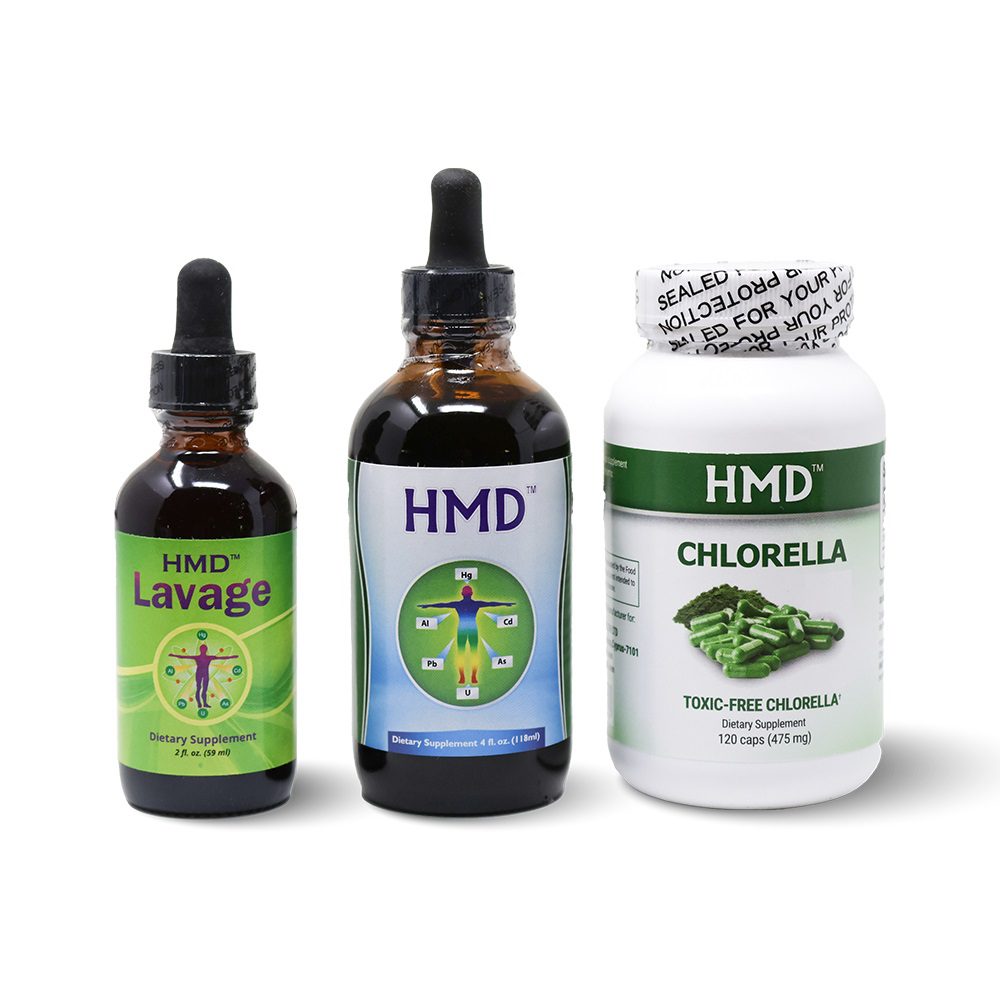
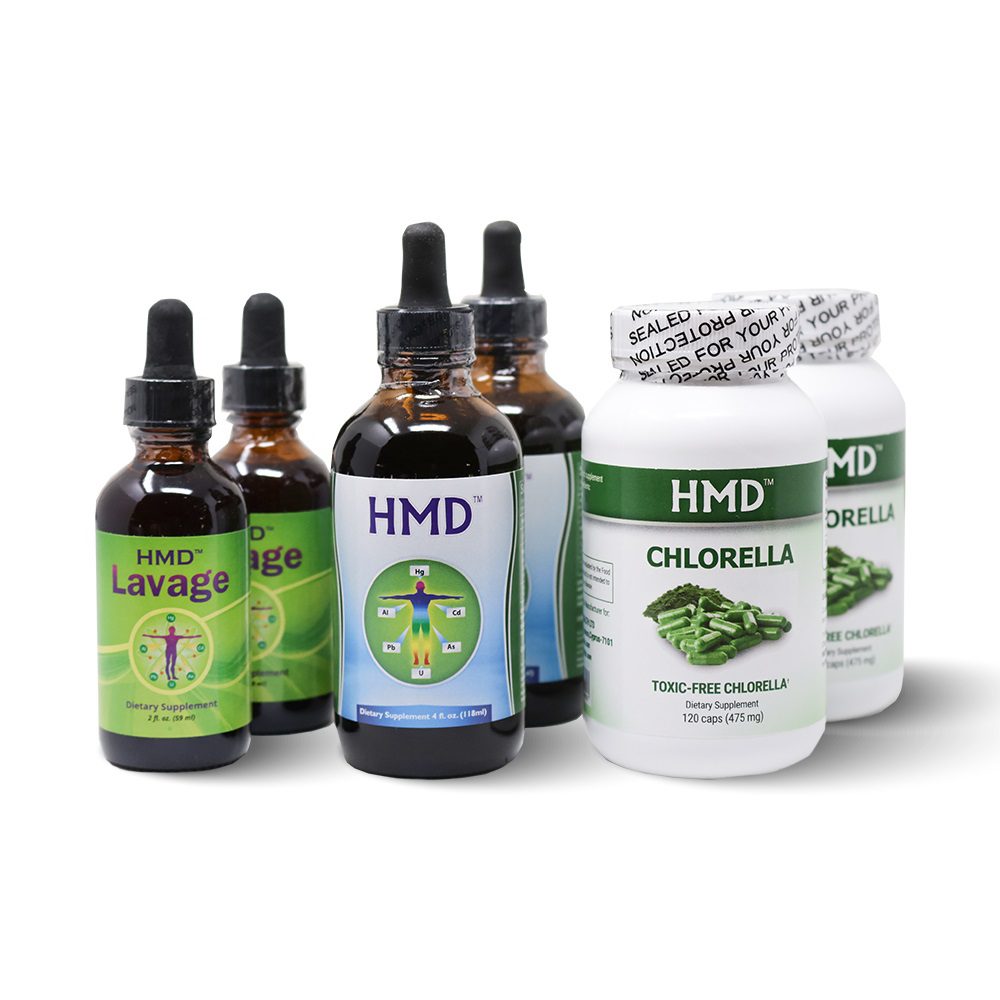
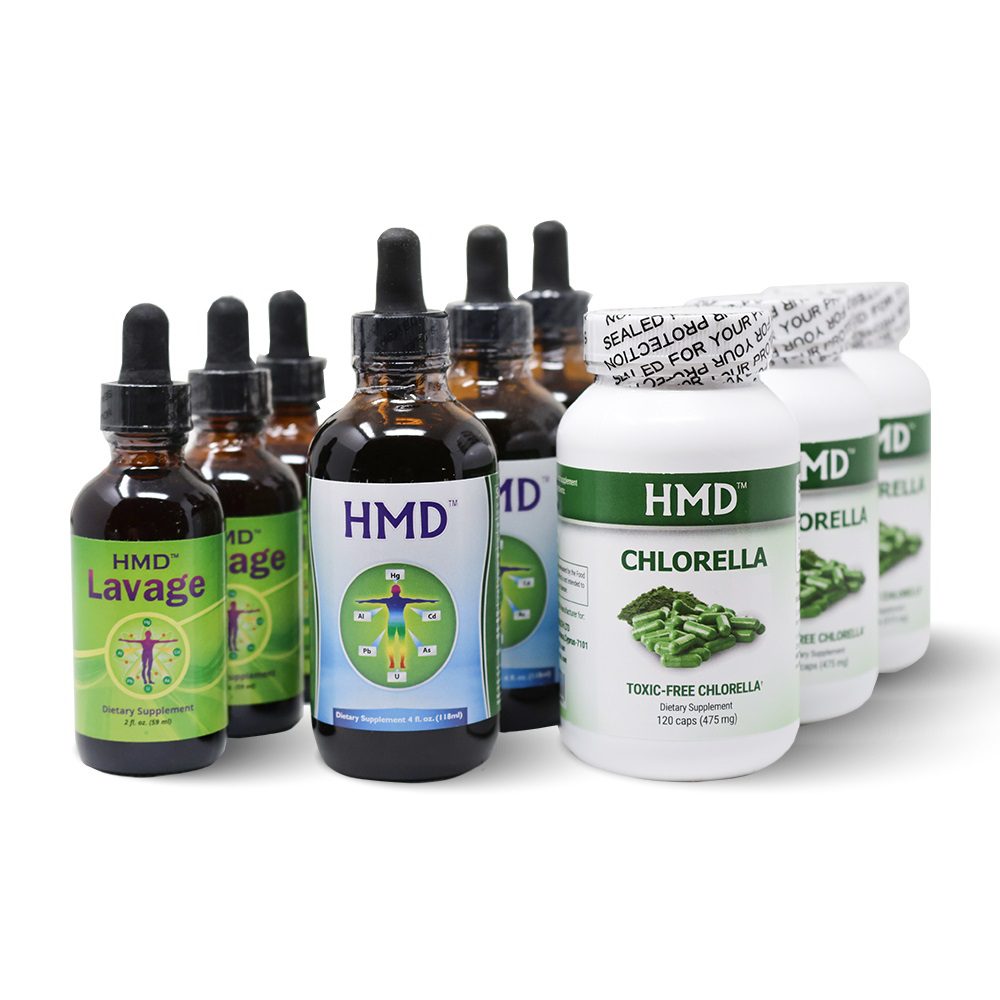
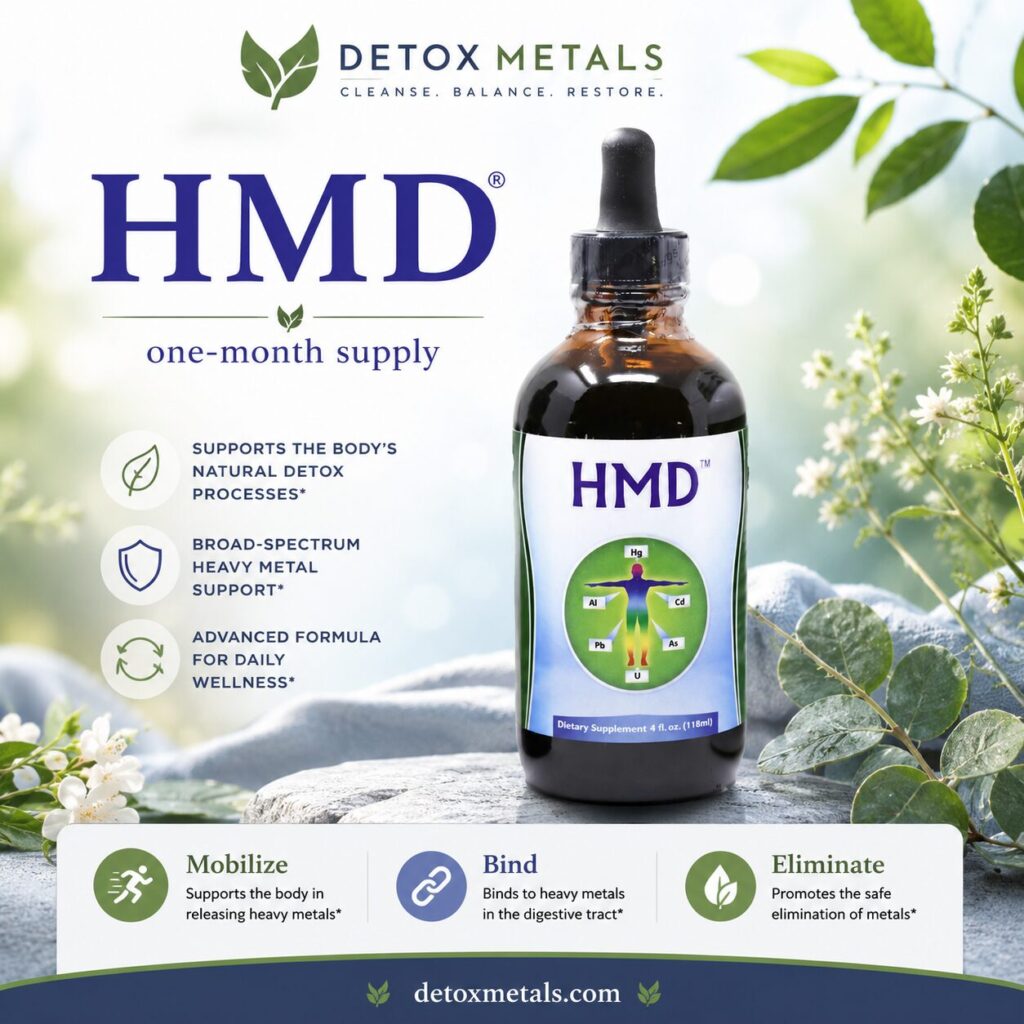
I use HMD™ (Heavy Metal Detox) as a gentle, structured program for lowering metal burden across the lifespan—ideally before pregnancy, or after breastfeeding. HMD™ combines:
- HMD™ liquid (mobilizer): a blend including Coriandrum sativum (cilantro), Chlorella Growth Factor, and a homaccord of Chlorella pyrenoidosa.
- HMD™ LAVAGE (drainage): herbal support for liver, kidneys, lymph—the “exit ramps.”
- HMD™ Organic Chlorella (binder): binds metals in the gut to interrupt enterohepatic recirculation and promote fecal excretion.
Why I give HMD™ attention
Unlike most “natural detox” products, HMD™ has been tested in randomized, double-blind, placebo-controlled trials among ~350 foundry workers, comparing many natural candidates over several years. The program reports increased urinary and fecal excretion across multiple metals with the final HMD™ combo under provocation testing.
Important safety nuance: Those trials were in adult workers—not in pregnant women. We do not have pregnancy-specific safety/efficacy trials for HMD™ (nor for most chelating agents). So, in pregnancy I prioritize exposure control and absorption blockers; for active elimination with HMD™, I steer to pre-conception or post-lactation unless a qualified clinician advises otherwise.
Typical adult plan (outside pregnancy)
- HMD™: 45 drops, 3×/day, 10–15 min before meals (titrate if sensitive).
- LAVAGE: 25 drops, 3×/day (can mix with HMD™).
- Organic Chlorella: 2 caps (~600 mg), 2×/day with meals.
I usually run 60–90 days, monitor symptoms and (when appropriate) urinary metals, and cycle as needed.
Post-partum & pediatric notes
- Breastfeeding: Public-health guidance generally supports continuing to breastfeed; coordinate with your clinician if maternal or infant lead levels are elevated. HMD™ during breastfeeding hasn’t been formally studied; if used, do so only with a clinician who can monitor infant levels and maternal comfort.
- Children: Any detox (natural or conventional) should be pediatrician-supervised, with attention to growth, iron status, and bowel regularity.
Putting it together: my practical roadmap
Phase 0 — Right now (pregnancy)
Phase 1 — Pre-conception (ideal) or Post-lactation
- Keep Phase 0 habits, then add a gentle mobilize-bind-drain program. HMD™ is my go-to here because it wraps mobilization (cilantro/CGF) with chlorella binding and drainage—reducing the “mobilize without a net” problem that can make people feel worse.
Phase 2 — Personalize & monitor
- Track energy, sleep, skin, headaches, bowels.
- With your clinician, consider spot urinary metals (creatinine-normalized) and basic kidney/liver labs during active phases.
- If symptoms spike, pause the mobilizer, continue binders/drainage, then resume lower.
Emergency exceptions: For severe maternal lead intoxication, chelation may be indicated during pregnancy under specialist care; this is rare and not a DIY decision.
Quick Q&A
Can I “detox” while pregnant?
You can safely lower exposure and absorption (filters, fish choices, nutrition, probiotic yogurt). Aggressive mobilization—natural or pharmaceutical—is usually deferred unless there’s severe poisoning.
Will chelation fix prior damage?
Chelation (or natural elimination) reduces ongoing pressure but doesn’t reverse prior injury; prevention and timing matter. Lead is the classic example—chelation reduces burden but doesn’t undo earlier neurodevelopmental harm.
Why do you like HMD™?
Among natural options, HMD™ is unusual for having double-blind, placebo-controlled human data in exposed workers and for bundling mobilization + binding + drainage. I still avoid using it during pregnancy unless a clinician insists; I prefer before conception or after breastfeeding.
Bottom line
- Pregnancy is about protection, not heroics. Reduce incoming metals and absorption now; save stronger mobilization for pre-conception or post-lactation unless specialists say otherwise.
- When it is time to detox more actively, I favor gentle, structured programs. Dr. Georgiou’s HMD™ is one of the few natural options with double-blind human data and a design (mobilize → bind → drain) that aligns with how the body actually clears metals.
Educational only; not medical advice. If you’re pregnant or breastfeeding—or planning to be—please work with a qualified clinician before starting any detox program.