


PODCAST: HEAVY METALS IN FOOD SOURCES
Heavy Metals in Food Sources and Their Impact on Health
In today’s world, environmental contamination has become a significant concern, particularly due to heavy metals in our food supply.
Heavy metals such as lead, mercury, cadmium, and arsenic can accumulate in various food sources and have detrimental effects on human health.
These metals enter our bodies through daily dietary intake and, over time, can lead to chronic health issues.
While heavy metal exposure is often unavoidable, natural chelation agents like HMD® offer an effective and safe way to eliminate these toxic substances from the body.
In this article, we will explore the common food sources of heavy metals, the health risks associated with their consumption, and how HMD can support detoxification.
We will also examine recent research related to heavy metal contamination and the role of natural chelation in promoting better health.
1. Heavy Metals Commonly Found in Food Sources
Heavy metals can contaminate food through environmental pollution, agricultural practices, and industrial activities.
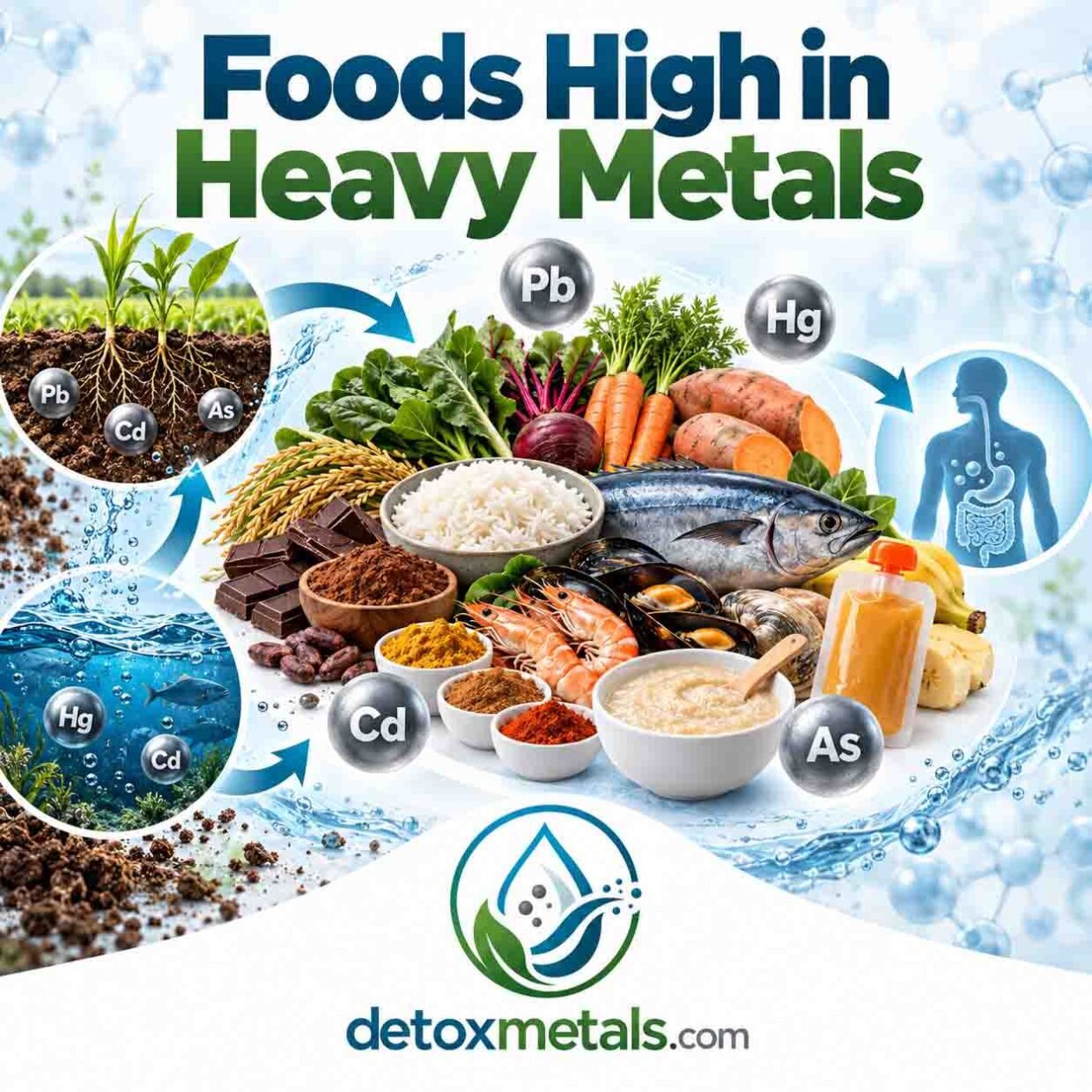
Here are some of the most common heavy metals found in our food and the specific food sources where they are typically present:
1.1. Lead (Pb)
Lead is a naturally occurring metal found in the Earth’s crust, but it becomes a health risk when it enters the food chain through contaminated water, soil, or air. Common food sources of lead contamination include:
- Leafy vegetables: Lead particles can settle onto leafy greens such as spinach and lettuce via atmospheric deposition.
- Root vegetables: Crops such as potatoes, carrots, and beets absorb lead from contaminated soils.
- Cereals and grains: Grains like wheat and rice can contain lead, especially when grown in contaminated soils.
- Fish and shellfish: Lead can bioaccumulate in seafood, particularly in areas near industrial waste discharge.
1.2. Mercury (Hg)
Mercury is a highly toxic metal, especially in its organic form (methylmercury), which bioaccumulates in fish and seafood. The primary sources of mercury exposure in the diet include:
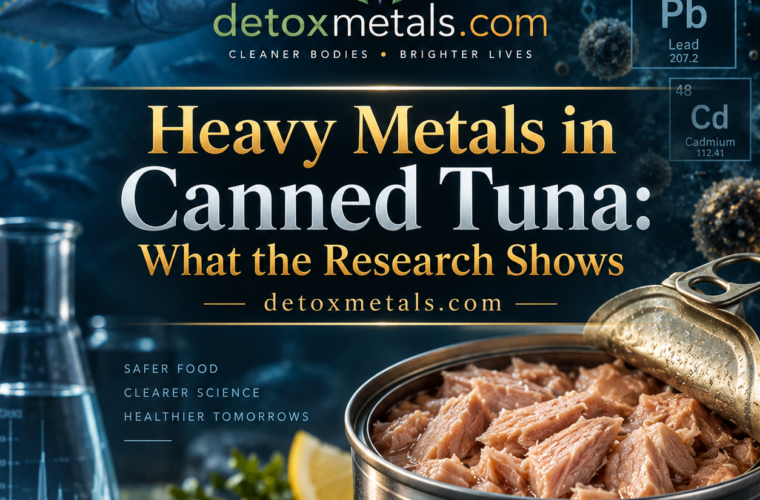
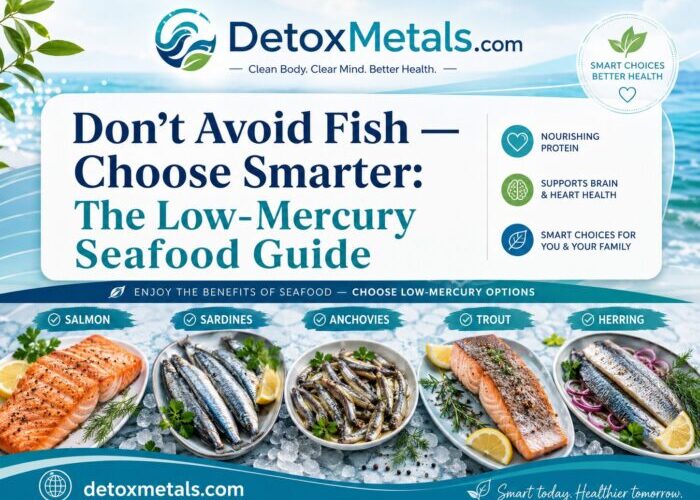
- Large predatory fish: Fish like tuna, swordfish, sharks, and king mackerel tend to have higher mercury levels due to their longer lifespans and higher positions in the food chain.
- Shellfish: Some shellfish, particularly those living in polluted waters, can contain mercury.
1.3. Cadmium (Cd)
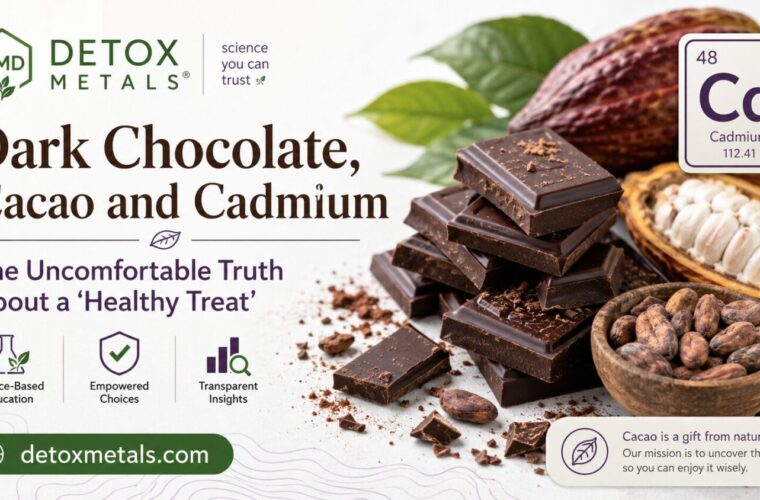
Cadmium is a heavy metal that contaminates food primarily through industrial pollution and the use of phosphate fertilizers. Common food sources include:
- Leafy vegetables such as Spinach and lettuce can absorb cadmium from the soil.
- Grains: Rice and wheat may contain cadmium, especially if grown in contaminated soils.
- Shellfish: Like mercury, cadmium can accumulate in shellfish, particularly in oysters and mussels.
- Organ meats: Animal organs, such as kidneys and liver, may also contain cadmium if the animals were raised in polluted environments.
1.4. Arsenic (As)
Arsenic is present in the environment due to both natural processes and human activities such as mining, pesticide use, and industrial runoff. It is found in two forms: organic (less harmful) and inorganic (more toxic). Inorganic arsenic is the form of concern and can be found in:
- Rice and rice-based products: Rice tends to absorb arsenic from water and soil more readily than other grains, particularly in regions with high arsenic levels in groundwater.
- Poultry: Some poultry feed additives contain arsenic, which can lead to contamination in poultry products.
- Seafood: Shellfish and fish may contain organic and inorganic arsenic, especially when harvested from contaminated waters.
2. Health Effects of Heavy Metal Exposure
Chronic exposure to heavy metals through food can lead to a wide range of health issues.
These metals tend to accumulate in the body over time, primarily in the kidneys, liver, bones, and brain, leading to toxic overload.
Below are the health risks associated with long-term exposure to common heavy metals:
2.1. Lead (Pb)
- Neurological damage: Lead exposure is especially harmful to children, leading to cognitive impairment, behavioral disorders, and learning disabilities. In adults, it can cause memory loss and mood disorders.
- Kidney damage: Prolonged lead exposure can impair kidney function and lead to chronic kidney disease.
- Reproductive issues: Lead is known to affect fertility and can increase the risk of miscarriages and birth defects.
2.2. Mercury (Hg)
- Brain and nervous system damage: Methylmercury, the form found in fish, is a potent neurotoxin that can cause tremors, memory problems, vision impairment, and cognitive decline.
- Cardiovascular risk: Mercury exposure has been linked to an increased risk of heart disease and hypertension.
- Immune dysfunction: Chronic mercury exposure can weaken the immune system, making the body more susceptible to infections.
2.3. Cadmium (Cd)
- Kidney damage: Cadmium is primarily toxic to the kidneys, leading to renal dysfunction and increased risk of kidney disease.
- Bone weakening: Long-term cadmium exposure is associated with osteoporosis and bone demineralisation, increasing the risk of fractures.
- Cancer risk: Cadmium is classified as a human carcinogen, with links to lung, prostate, and breast cancers.
2.4. Arsenic (As)
- Skin, lung, and bladder cancer: Chronic exposure to inorganic arsenic is a well-established cause of skin cancer and has also been linked to lung and bladder cancers.
- Cardiovascular disease: Arsenic exposure can increase the risk of cardiovascular issues such as hypertension and atherosclerosis.
- Neurological effects: Long-term arsenic exposure can lead to cognitive decline and motor dysfunction.
3. Where HMD® Fits In
HMD® is a natural supplement designed to support the body’s natural elimination processes. It was tested in a published 2018 study (see HMD® Research).
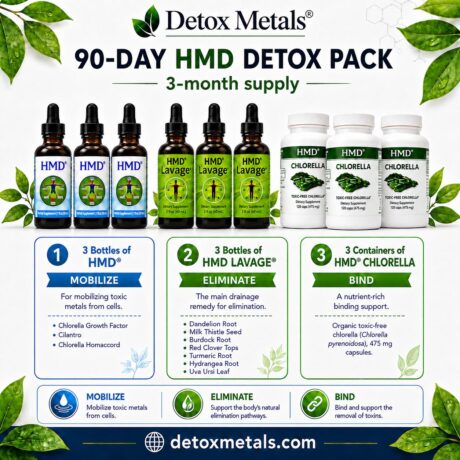
It works by using a combination of natural chelators—cilantro, chlorella homaccord, and Chlorella Growth Factor (CGF) — to bind to heavy metals and promote their safe removal from the body.
Here’s how HMD works:
3.1. Mobilizing Heavy Metals
- Cilantro (Coriandrum sativum): Cilantro is known for its ability to mobilize like mercury, lead, and aluminum from deep tissues such as the brain and nervous system, where they tend to accumulate. Once mobilized, these metals enter the bloodstream and become available for excretion.
3.2. Binding and Eliminating Heavy Metals
- Chlorella: Chlorella, a green algae, is an excellent binder for heavy metals. It has a unique cell wall structure that traps metals such as mercury and cadmium, preventing their reabsorption into the body and helping eliminate them through the digestive system. Chlorella homaccord is a vibrational remedy that works on the principle of bioresonance.
- Chlorella Growth Factor (CGF): CGF is a steam-distilled extract of Chlorella pyrenoidosa, a freshwater green alga.
3.3. Supporting Detoxification Pathways
- HMD Lavage: An additional component of HMD, HMD Lavage, is a herbal supplement designed to support the body’s detox organs, including the liver, kidneys, and lymphatic system. It ensures that once heavy metals are mobilized and bound, they are efficiently processed and excreted from the body.
3.4. Antioxidant, Immune Support and Antiaging
- Chlorella Growth Factor (CGF) and cilantro both contain high levels of nucleopeptides and antioxidants, respectively, that help combat the oxidative stress caused by heavy metal toxicity. These antioxidants protect cells from damage, enhance immune function, and reduce inflammation. Chlorella has also been shown to have anti-ageing effects.
4. Latest Research on Heavy Metal Detoxification
Recent studies have further highlighted the dangers of heavy metal contamination in food and the importance of natural detoxification methods like HMD.
Here are some key findings:
4.1. Heavy Metals in Rice and Seafood
Arsenic in Rice and Water
A recent study published in Environmental Health Perspectives (2021) found high levels of arsenic in rice, particularly in regions where groundwater is contaminated by mining, agricultural runoff, or natural deposits. This study emphasized that even though arsenic levels are regulated in many countries, prolonged consumption of rice containing low levels of arsenic still poses significant health risks, particularly for infants and young children, who are more vulnerable to the carcinogenic effects of arsenic.
- Key Findings:
- Brown rice tends to have higher levels of arsenic than white rice, as the outer layer (bran) where arsenic accumulates is retained.
- Parboiling rice before cooking can reduce arsenic content, but the overall risk remains substantial, particularly in high-consumption regions like Southeast Asia.
New rice varieties with lower arsenic absorption are being developed to mitigate this issue.
4.2 Mercury in Seafood
A 2022 Nature Communications study focused on mercury bioaccumulation in seafood, particularly in larger fish like tuna, shark, and swordfish. The research confirmed that methylmercury levels in these fish species continue to rise, particularly in regions affected by industrial pollution and overfishing. The study warns consumers to limit their intake of these fish due to the risk of mercury toxicity, especially for pregnant women, as methylmercury can cross the placenta and affect fetal brain development.
Key Findings:
- Larger predatory fish have the highest mercury levels due to biomagnification, in which mercury concentrations increase higher up the food chain.
- Regular consumption of these fish can significantly increase the body’s mercury burden, leading to cognitive impairments, particularly in children.
- The research supports the need for better international regulations to control mercury emissions into oceans and improve seafood safety.
4.3 Lead and Cadmium in Plant-Based Foods
A study published in Frontiers in Nutrition (2021) examined lead and cadmium levels in plant-based foods, including leafy greens, cereals, and vegetables. It found that lead and cadmium contamination is particularly high in crops grown in polluted soils or near industrial areas. Even organically grown produce can contain these metals if grown in contaminated soil or irrigated with polluted water.
- Key Findings:
- Leafy vegetables like spinach and kale showed higher cadmium uptake, while grains like rice and wheat were found to contain both lead and cadmium.
- The researchers highlighted that long-term exposure to even low levels of these metals can lead to kidney damage, osteoporosis, and neurological issues, especially in children and the elderly.
- The study recommends more stringent soil testing and regulations for crops in high-risk areas, as well as consumer awareness about the importance of sourcing food from clean environments.
4.4 Natural Chelation Effectiveness
Chlorella and coriander have been investigated for their metal-binding and antioxidant properties in laboratory and animal studies. Human clinical evidence remains limited.
4.5 The Published HMD® Study
In a double-blind, placebo-controlled study published in 2018, adult metal-foundry workers took HMD® and collected urine samples before and for 24 hours after. The samples taken after HMD® contained more lead, cadmium, antimony, arsenic, mercury, uranium and bismuth than those taken before, with larger increases than in the placebo group. Liver and kidney blood tests in 16 participants showed small changes that stayed within normal ranges. Read the full paper on our HMD® Research page.
4.6 The Role of Probiotics in Heavy Metal Detoxification
A recent study in Environmental Science & Technology (2021) explored the potential role of probiotics in enhancing heavy metal detoxification. Certain strains of lactobacillus and bifidobacterium were found to bind heavy metals like mercury and cadmium in the gut, reducing their absorption and facilitating excretion. This suggests that consuming probiotics alongside natural chelators like HMD could further improve detox outcomes.
- Key Findings:
- Probiotic strains such as Lactobacillus rhamnosus and Bifidobacterium longum exhibited strong binding capacities toward metals such as cadmium and lead.
- Regular intake of probiotics improved gut health and reduced the bioavailability of toxic metals, thereby allowing the body to excrete them more effectively.
- Combining probiotics with natural chelators, such as those found in HMD, may provide a comprehensive approach to reducing heavy metal toxicity.
5. Conclusion: The Role of HMD in Protecting Against Heavy Metal Toxicity
The presence of heavy metals in our food supply poses a significant health risk, particularly due to their bioaccumulative nature and long-term impact on organs such as the brain, liver, kidneys, and bones.
Heavy metal toxicity can lead to serious health issues, including neurological damage, cancer, and organ dysfunction.
HMD® is a natural supplement designed to support the body’s natural elimination processes, and it was tested in a published 2018 study. Reducing exposure through food choices comes first; a supplement can be part of a wider routine.
By combining regular dietary caution, knowledge of contaminated food sources, and the use of natural detox agents like HMD, individuals can minimise their heavy metal burden and improve their overall well-being.
Learn how the HMD® Triple Action approach combines HMD®, Chlorella and HMD Lavage® as part of a structured heavy metal detox support programme.