Home » Health Articles » Cannabis and Heavy Metals
People love to describe cannabis as natural, plant-based, and therefore automatically clean. And honestly, I get it. A plant feels safer than a chemical.
But here’s the awkward truth: cannabis is a very efficient “absorber” plant. If the soil, water, fertilizer, air, or processing equipment contains contaminants, cannabis can pick them up—including heavy metals. Researchers have even discussed cannabis/hemp in the context of pulling contaminants out of soil (which is great for environmental cleanup… and not so great if you’re inhaling or ingesting the plant).
So, if someone is using cannabis regularly and dealing with brain fog, fatigue, headaches, low stamina, mood changes, “wired-but-tired” feelings, inflammation, or sensitivity reactions, it’s reasonable to ask:
Is this just THC effects… or could contaminants (like heavy metals) be adding to the problem?
This article gives you a simple, science-backed overview—without paranoia.
The “sponge plant” problem
Cannabis (and hemp) can take up elements from the growing environment—especially from soil and water. A research/meta-analysis-style discussion of cannabis and heavy metals highlights plant uptake as a key contamination route and discusses strategies growers can use to reduce uptake.
So, metals can enter cannabis through:
And here’s the thing: even if cannabis flower is tested, your exposure can still change based on how you consume it (more on that soon).
In cannabis safety testing discussions, the main “headline metals” are usually:
Those are the ones regulators focus on most often because of known toxicity concerns at higher or chronic exposures.
But there are also other metals that can show up in devices and aerosols (like nickel, chromium, copper, cobalt), particularly in vaping contexts.
This is where it gets interesting—and where we stop guessing.
A widely discussed study using NHANES data from 2005–2018 compared:
They found exclusive marijuana users had higher cadmium levels (blood and urine) and higher lead levels (blood and urine), compared with non-users.
That’s not a small detail, because tobacco is a classic cadmium source—so the study’s “exclusive marijuana use” angle matters.
What it means (without overclaiming):
You’ll also see this summarized by reputable university/public health outlets.
A more recent risk assessment of metals measured in regulated Canadian inhaled cannabis products reported low risk overall, especially because many people aren’t daily users—while also pointing out uncertainties and the importance of exposure characterization.
So, the honest takeaway is:
Smoking flower
If the plant contains metals, smoking can deliver contaminants into the body via inhalation.
Vaping cannabis oils/concentrates (higher concern)
Vaping introduces a second route: device-related metals.
A 2021 paper specifically on metals in cannabis vaporizer aerosols reported that metals such as chromium, copper, nickel, and smaller amounts of lead and others can migrate into the cannabis oil and inhaled vapor phase.
A 2025 scoping review also discusses metals leaching from device components into aerosols, and how factors like device age, temperature, liquid composition, and cutting agents can influence metal release.
Plain-English translation:
Even if your oil is relatively clean, the device can contribute metals—especially with cheap hardware, old coils, or questionable cartridges.
Rolling papers: yes, even the paper can contain metals
A 2024 ACS Omega study measured 26 elements in commercially available rolling papers and estimated potential exposure.
That doesn’t mean “all papers are dangerous,” but it does mean your exposure isn’t only about what’s inside the joint.
Here’s where we need to be careful and fair.
Brain fog and fatigue can happen from cannabis alone
THC—especially in higher doses or frequent use—can affect attention, memory, motivation, and sleep quality in some people. So, if someone feels foggy, the simplest explanation might still be: the cannabis effect itself.
But heavy metals can plausibly add to the symptom picture
Heavy metals are not “one symptom = one metal.” They tend to create multi-system stress, and the symptoms can look like:
If someone already runs on low reserves (stress, poor sleep, nutrient depletion), adding chronic metal exposure can make them feel more “frayed.”
So, I think of it like this:
THC can create fog.
Metals can create load.
Together, they can create a bigger problem than either alone.
Heavy metals from cannabis become a bigger concern when someone is:
Higher-risk user profile
Higher vulnerability profile
Give yourself 1 point for each “yes”:
Score guide (practical, not medical):
Step 1: Run the simplest experiment first
If you suspect cannabis is contributing to brain fog/fatigue, do a clean, calm test:
If you feel dramatically better, you’ve learned something important—regardless of whether it was THC, metals, or both.
Step 2: If continuing, choose lower-risk formats
Based on the research:
Step 3: Ask for a COA (Certificate of Analysis)
If a brand can’t show third-party testing that includes heavy metals, that’s a red flag. Period.
Step 4: Support the “boring basics” (they matter more than fancy detox)
This isn’t about detox teas. It’s about helping your body do normal biology well:
Medical testing
Depending on the metal and situation, clinicians may use blood and/or urine testing (especially if a significant exposure is suspected).
Hair mineral analysis as a pattern/trend tool
Hair testing is often used in functional/naturopathic settings as a pattern and trend assessment (not a one-time “verdict”).
For DetoxMetals readers, the clean message is:
Cannabis can be an underappreciated source of heavy metal exposure for some people—especially with frequent use, unregulated supply, vaping hardware, and certain papers. Human biomonitoring data supports higher lead and cadmium biomarkers among exclusive marijuana users, and device research supports metal migration into vape aerosols.
The smartest approach isn’t fear. It’s quality control + experimentation + testing:
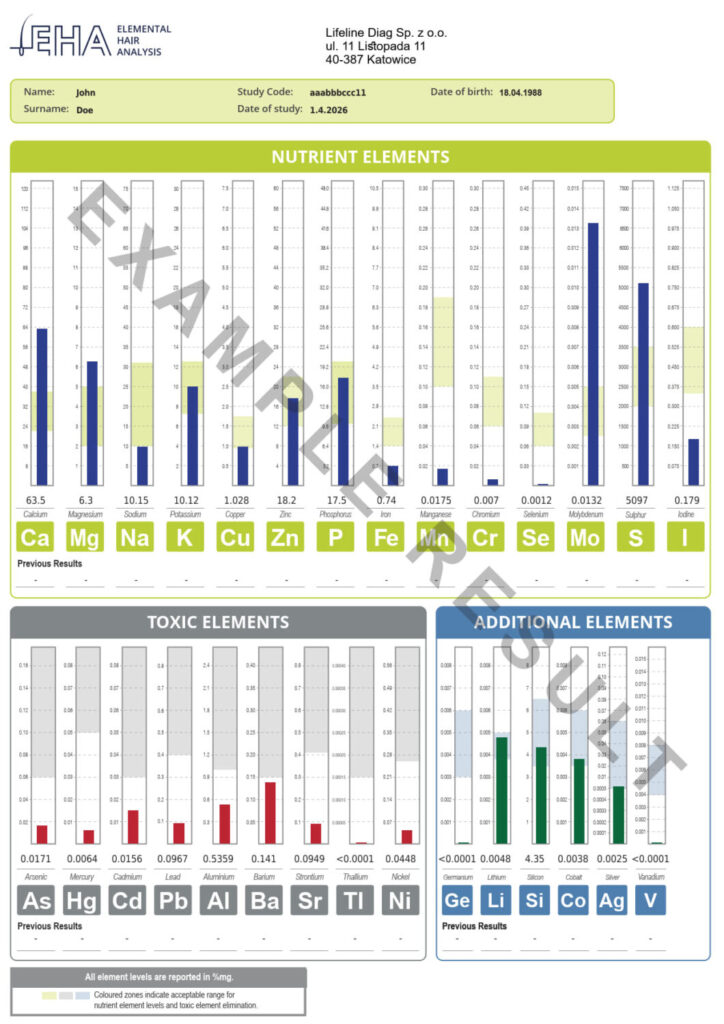
Before you detox, test first. Discover your toxic metal burden and mineral balance with the HMD® Hair Mineral Analysis & Toxic Metals Test.
(3 customer reviews)
125.00 €
Processed by a certified laboratory using ICP-OES Spectrometry
Already have your lab results? Skip to Step 2 and choose your clinical HMD® Protocol below.
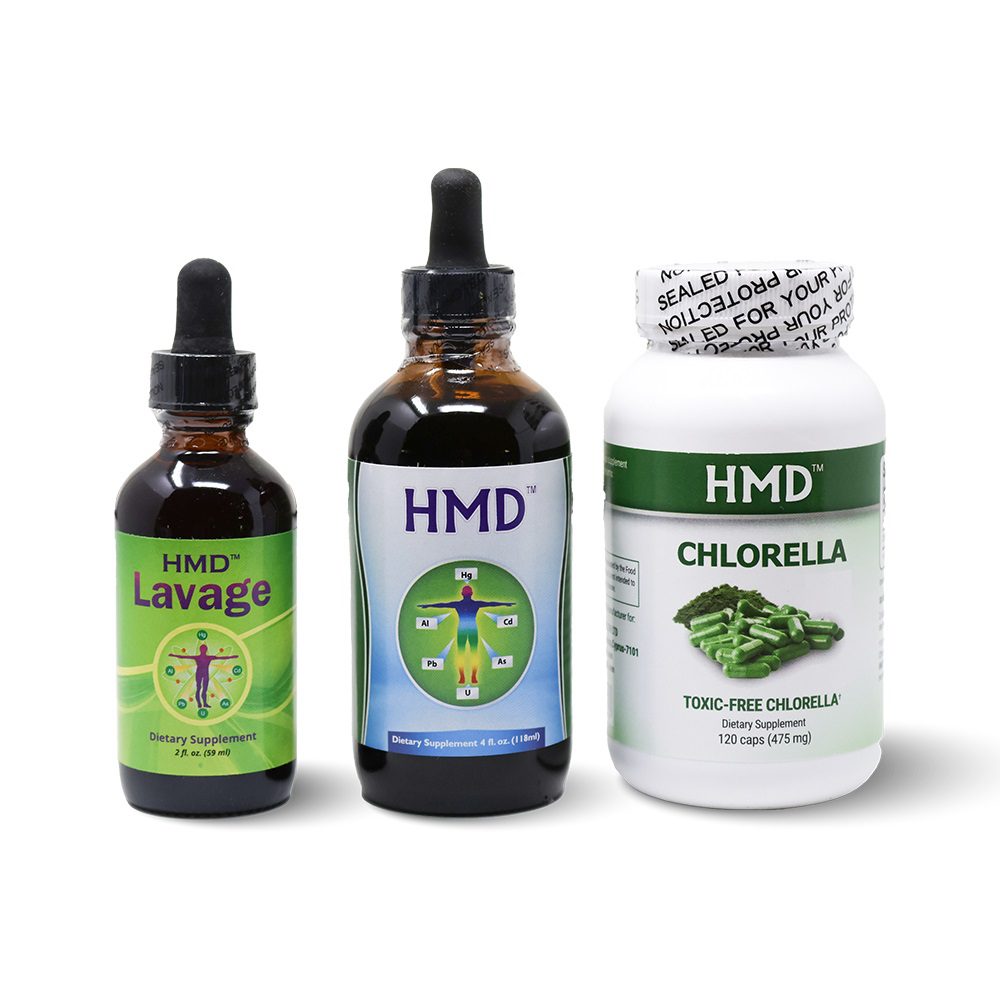
More prolonged to remove deeper toxins
$285 $213.75
(Save 35%)

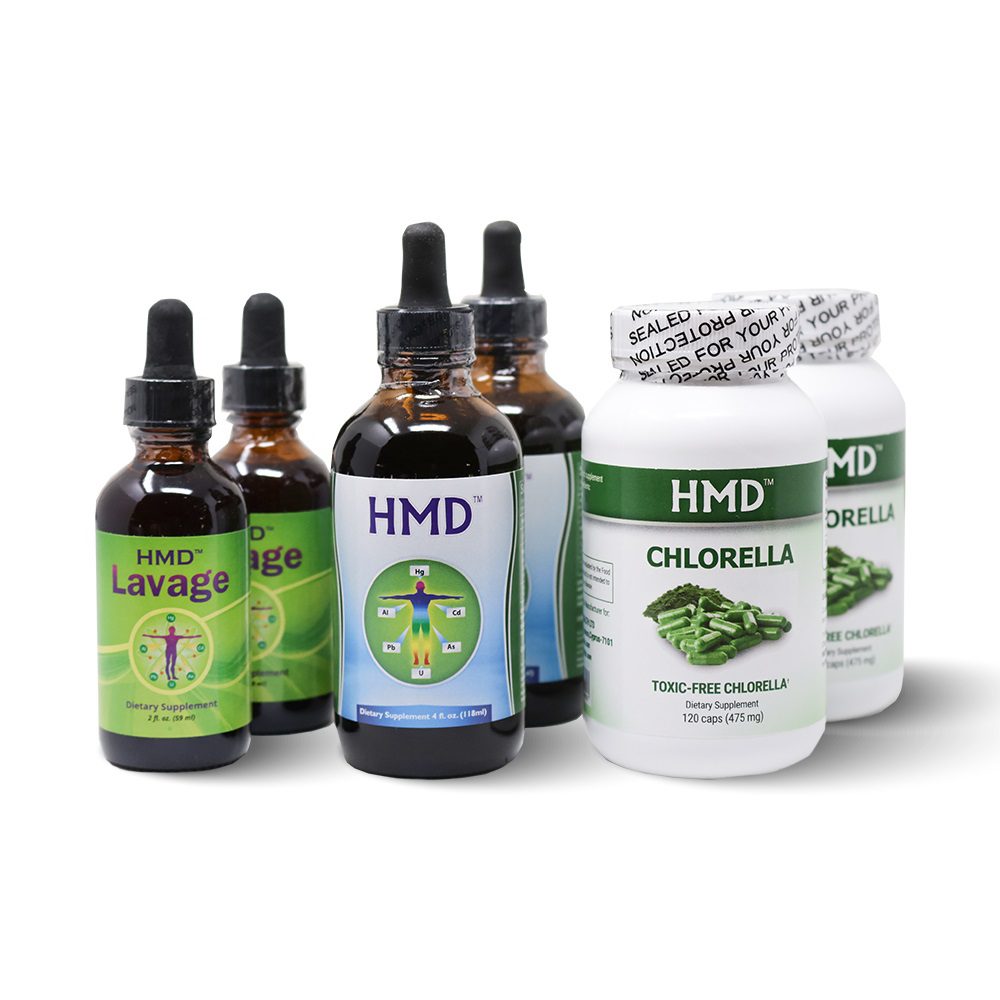
This 90-Day detox will help to eliminate a considerable load from the body.
$427 $256.20
(Save 45%)
Many people continue for 60 or 90 days depending on symptom history and exposure levels.






Alkaline Detox Diet best body detox best detox kit best detox supplements best full body detox best heavy metal detox best heavy metal detox for adults best herbal detox best metal detox best thc detox kit body cleanse supplements body detoxification supplements children and heavy metals chlorella detox Copper Toxicity in Drinking Water detox kit detox pack detox supplements detox tablets early symptoms of heavy metal toxicity full body detox kit hair mineral analysis heavy metal detox Heavy Metal Detox Benefits Heavy Metal Detox Diet heavy metal detox kit heavy metals detox Heavy Metals Drinks heavy metals in food heavy metals thyroid HMD Heavy Metal Detox HMD Ultimate Detox Pack Mercury Detox mercury thyroid effects Natural Heavy Metal Detox natural supplement for aluminum ORGANIC CHLORELLA pure body detox pure body extra detox Sources of Copper Exposure thyroid dysfunction causes toxic metal detox toxic metals in food ultimate detox What is a Homaccord


A major 2025 study found that 14–17% of the world’s cropland may be contaminated with toxic metals. Here’s what that means for your food and your health. Heavy Metals

A Conversation on Inner Detox Today I want to speak about a different kind of healing. Many people know Dr. Georgiou for his work in the field of physical detox
Heavy Metals and Diverticulosis How Toxic Burden May Weaken the Gut Wall Diverticulosis is one of the most common digestive conditions seen in clinical practice, especially in individuals over the age of