
Microplastics are now found in food, water, air, and even human samples. But the bigger concern may be what they carry with them — including heavy metals such as lead, cadmium, mercury and arsenic.
We have all become used to hearing about plastic pollution. We see the photos of bottles on beaches, bags floating in the sea, and waste piling up in landfills. But the plastic problem has moved far beyond what we can see.
Today, scientists are talking more and more about microplastics and nanoplastics — tiny plastic particles that can come from packaging, synthetic clothing, tyres, industrial waste, personal-care products, food containers, and the slow breakdown of larger plastic items.
Microplastics are generally considered plastic particles smaller than 5 mm, while nanoplastics are even smaller, often described as less than 1 micron in size. For comparison, the FDA notes that a human hair is about 70 microns wide.
That alone is worrying. But there is another layer to the story that does not get enough attention.
Microplastics do not always travel alone.
Because of their surface area, chemical structure, and tendency to age and weather in the environment, microplastics can interact with other pollutants. They may bind or carry substances such as plastic additives, pesticides, industrial chemicals, and heavy metals.
A 2025 review in Microplastics described microplastics as effective carriers of heavy metals in aquatic environments, noting that this creates a more complex form of pollution than either microplastics or metals alone.
In other words, the issue is not only “plastic in the body.” It may also be plastic plus toxic metals.
And that is the toxic duo we should be talking about.
Microplastics are tiny plastic particles that come from either manufactured small plastics or the breakdown of larger plastics. They can form when plastic bottles, bags, food packaging, synthetic fabrics, car tyres, paints, fishing nets, and other plastic products slowly degrade in the environment.
They are now being detected in water, soil, dust, food, beverages, seafood, salt, and the air we breathe. The FDA has acknowledged that microplastics and nanoplastics appear to be entering the food supply mainly through the environment, and that people may be exposed through air, food, skin contact, and personal-care products.
This does not mean every exposure is automatically dangerous. One of the challenges with microplastic science is that the field is still developing. There are no universally standardised methods for collecting, measuring and comparing microplastics across studies, which makes firm conclusions difficult.
The FDA states that current scientific evidence does not yet demonstrate that the levels of microplastics and nanoplastics detected in foods pose a risk to human health, while also acknowledging major research gaps and the need for better methods.
That is the balanced view.
We should not panic. But we should not ignore it either.
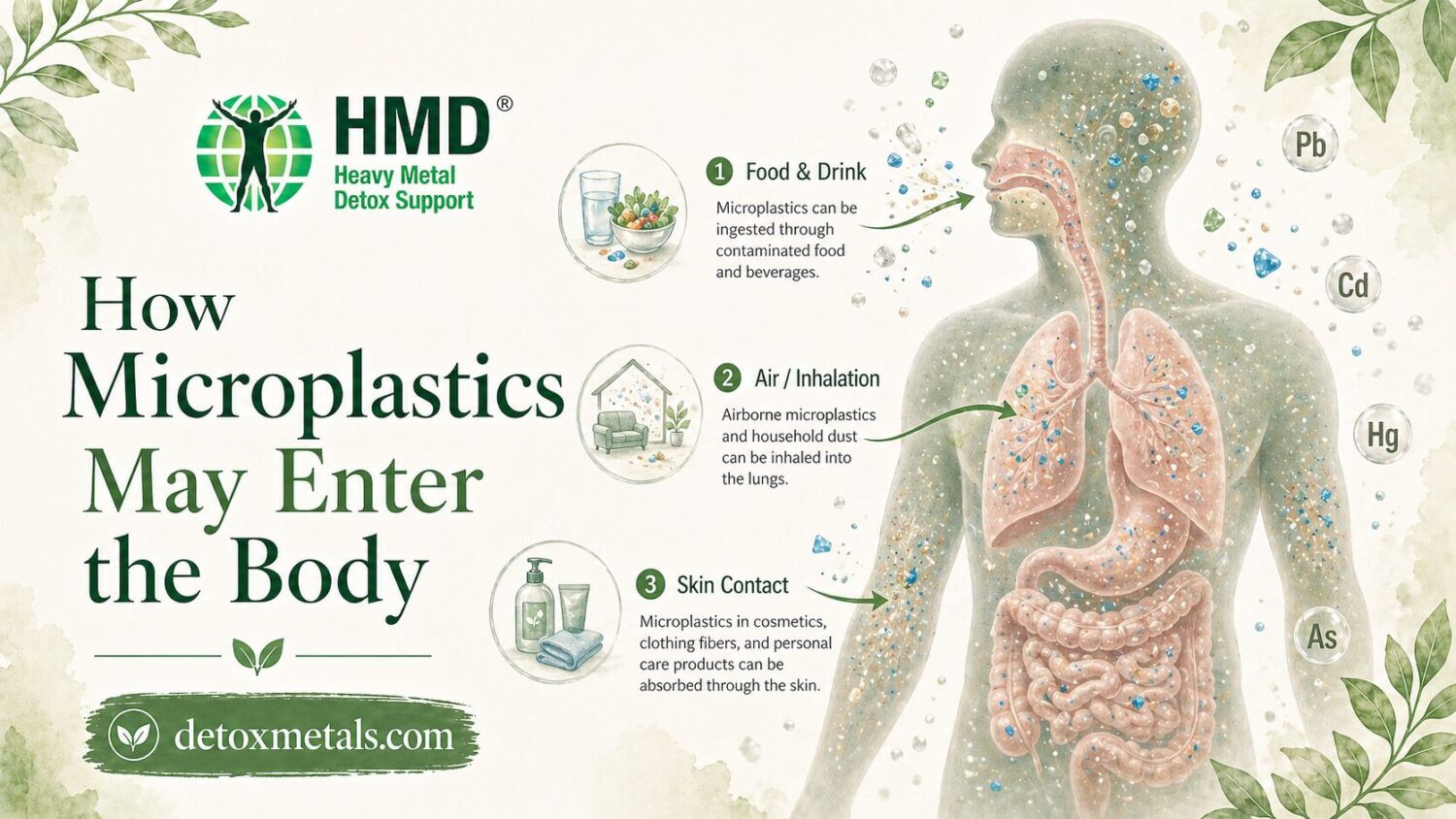
Human exposure appears to happen through three main routes: ingestion, inhalation, and possibly skin contact. A 2024 review on human exposure to microplastics concluded that people may be exposed through food, air, and dermal contact, although the exact routes by which particles enter and move through the body remain unclear.
Food and drink are obvious routes. Microplastics have been reported in seafood, salt, bottled water, tap water, honey, milk, tea, beer, sugar, and other foods or beverages, although results vary because testing methods are still inconsistent.
Air may be just as important. Indoor dust can contain fibres from carpets, curtains, synthetic clothing, furniture, and household plastics. When we breathe, some of these tiny particles may enter the respiratory tract.
The gut is another major area of interest. The digestive system is exposed every day to food particles, additives, metals, chemicals, microbes, and environmental contaminants.
A review published in Bulletin of the National Research Centre reported that microplastics may affect several body systems, with the digestive system being one of the most impacted in current experimental research.
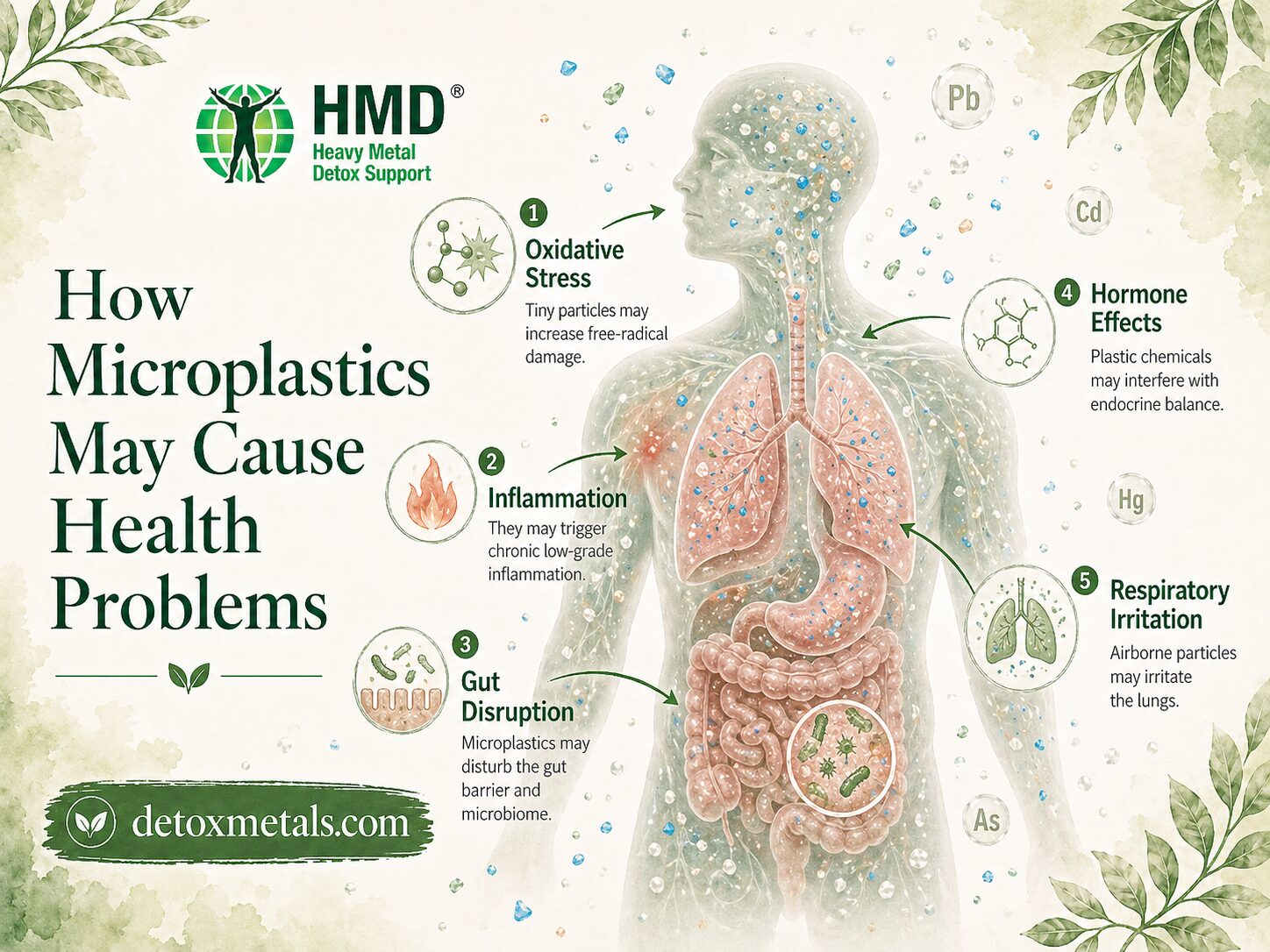
The same review discussed inflammation, oxidative stress, gut microbiome disturbance, and chemical toxicity as possible concerns, mainly based on cell and animal studies.
Again, we need to be careful. Human evidence is still emerging. But the early signals are enough to justify reducing unnecessary exposure.
This is where the topic becomes more personal.
Microplastics have now been reported in human samples, including stool, blood, urine, organs, breast milk, placenta and other tissues. The FDA notes that microplastics and nanoplastics have been found in human samples, although there is not yet enough known about the potential health effects. (U.S. Food and Drug Administration)
Stanford Medicine also reported in 2025 that microplastics have been found in multiple organs and tissues, including the placenta, lungs, heart, stomach, lymph nodes and other areas, while emphasising that research on human health effects is still in the early stages.
For me, this is the part that changes the conversation. Plastic pollution is no longer just an environmental issue. It is becoming a body burden issue.
But we have to talk about it intelligently. The question is not simply, “Are microplastics present?” The more important questions are:
How much is present?
What size are the particles?
Where do they accumulate?
What chemicals or metals are attached to them?
Can the body remove them?
What happens with long-term exposure?
Science does not have all the answers yet. But it is asking better questions.
Heavy metals such as lead, cadmium, mercury and arsenic are already a concern on their own. They can enter the body through food, water, air pollution, smoking, occupational exposure, contaminated soil, old paint, industrial emissions, seafood, rice, spices, supplements, and other routes.
Now add microplastics into the picture.
Microplastics can act like tiny floating surfaces. In water, soil, and biological environments, they may attract and hold other contaminants. The 2025 review in Microplastics reported that microplastics can carry heavy metals on their surface and that their interaction with metals can be influenced by particle size, exposure duration, ageing, environmental conditions and metal concentration.
This matters because microplastics may become a delivery system for metals. They can move through ecosystems, be eaten by marine organisms, move up the food chain, and potentially contribute to combined exposure. The same review noted that lead, cadmium, arsenic and mercury are among the heavy metals of concern in aquatic systems and that combined exposures may affect growth, immunity, reproduction, behaviour and oxidative stress in aquatic organisms.
We cannot automatically translate every fish or cell study directly to humans. But the pattern is concerning: microplastics may not be inert little particles. They may be chemically active passengers carrying other unwanted substances.
The body is not exposed to one toxin at a time. Real life is messy.
We do not just encounter lead. Or cadmium. Or plastic. Or pesticides. Or air pollution. We encounter mixtures.
That is one reason microplastics and heavy metals are so interesting from a toxicology perspective. A person may eat food containing trace metals, drink from plastic packaging, breathe indoor synthetic fibres, and consume seafood or salt containing microplastic particles. Each exposure may be small. But the modern toxic load is cumulative.
In laboratory and environmental research, combined exposure to microplastics and heavy metals has been associated with oxidative stress, inflammation, impaired antioxidant defences, reproductive disruption, gut microbiome changes, and cellular stress in various organisms.
Oxidative stress is one of the key mechanisms here. In simple language, oxidative stress is like biological rusting. The body naturally produces free radicals, but it also has antioxidant systems to keep them under control. When toxic exposures increase, antioxidant defences can become overwhelmed. This may affect mitochondria, cell membranes, proteins, DNA, inflammation pathways and immune function.
Heavy metals are already known to contribute to oxidative stress. Microplastics may also contribute to oxidative stress, especially depending on their size, chemical composition, additives, and the pollutants they carry.
A 2024 review on human exposure to microplastics discussed oxidative stress, inflammatory responses, endocrine disruption and potential genotoxicity as areas of concern, while also noting that the cellular and molecular mechanisms are still not fully understood.
This is why I do not think we should view microplastics and heavy metals as separate issues. They overlap in the real world.
If there is one place where microplastics and heavy metals may interact with the body every day, it is the gut.
The gut is not just a tube for digestion. It is a barrier, an immune organ, a detox support system, and a home for trillions of microbes. When the gut barrier is healthy, it helps decide what gets absorbed and what gets eliminated.
When the gut is inflamed, sluggish, constipated or imbalanced, unwanted compounds may have more opportunity to irritate tissues or recirculate.
Microplastics may affect the gut in several ways. Experimental research has suggested possible links with inflammation, gut microbiome disruption, oxidative stress and physical irritation, although human research is still developing.
Heavy metals also interact with the gut. Some metals can disturb microbial balance, affect enzyme systems, irritate the gut lining, and compete with essential minerals such as zinc, iron, calcium and magnesium.
This is why bowel regularity is not a small detail in detox. If toxins are mobilised but not properly eliminated, they may be reabsorbed. That is one reason many practitioners focus on the basics first: fibre, hydration, bile flow, mineral status, antioxidants, and regular elimination.
A good detox plan should not be dramatic. It should be intelligent.
We cannot avoid microplastics completely. They are already in the environment. But we can reduce unnecessary exposure with sensible habits.
The first step is to reduce plastic contact with hot foods and drinks. Heat can increase the release of chemicals and particles from plastic. Use glass, stainless steel or ceramic where possible, especially for hot liquids, soups, oils and acidic foods.
The second step is to avoid microwaving food in plastic containers. Even “microwave-safe” does not necessarily mean toxin-free. It usually means the container will not melt under normal microwave conditions.
The third step is to filter drinking water where appropriate. Not all filters remove microplastics equally, but high-quality filtration can reduce a range of contaminants depending on the system used. It is also worth checking whether your filter removes heavy metals such as lead and mercury.
The fourth step is to reduce plastic-packaged ultra-processed foods. Whole foods are not automatically contaminant-free, but highly processed foods often pass through more packaging, equipment and contact surfaces.
The fifth step is to improve indoor air. Vacuuming with a HEPA filter, reducing synthetic dust, opening windows when outdoor air quality is good, and choosing natural fibres where practical may reduce indoor particle exposure.
The sixth step is to be careful with seafood choices. Seafood can be highly nutritious, but marine pollution makes sourcing important. Smaller fish lower on the food chain are often preferable from a mercury perspective.
None of this requires fear. It is just modern common sense.
This is where I want to be very clear.
At the moment, there is no well-established human protocol proven to “detox microplastics” from the body in the same direct way that some medical chelators can bind certain metals under clinical supervision.
The science is still too new, and the particles vary enormously in size, chemistry, location and behaviour.
So, when we talk about detox in this area, we need to be precise.
A sensible microplastic strategy is mainly about:
That last point is where heavy metal detox becomes relevant.
If microplastics can act as carriers for metals such as lead, cadmium, arsenic and mercury, then supporting the body’s handling of heavy metals becomes part of the wider conversation.
We should not claim that a heavy metal detox product removes microplastics unless there is evidence for that specific claim. But we can say that reducing and detoxifying heavy metals may help address one of the major toxic burdens associated with modern pollution.
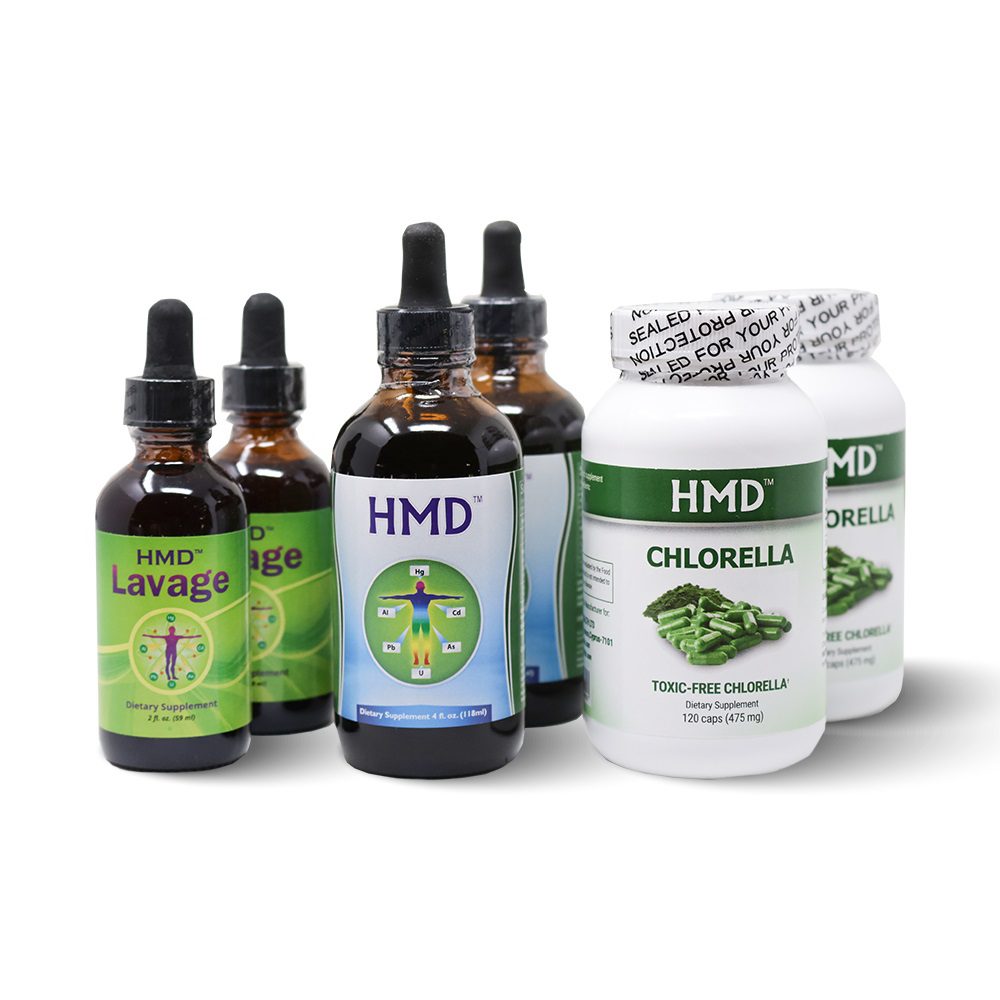
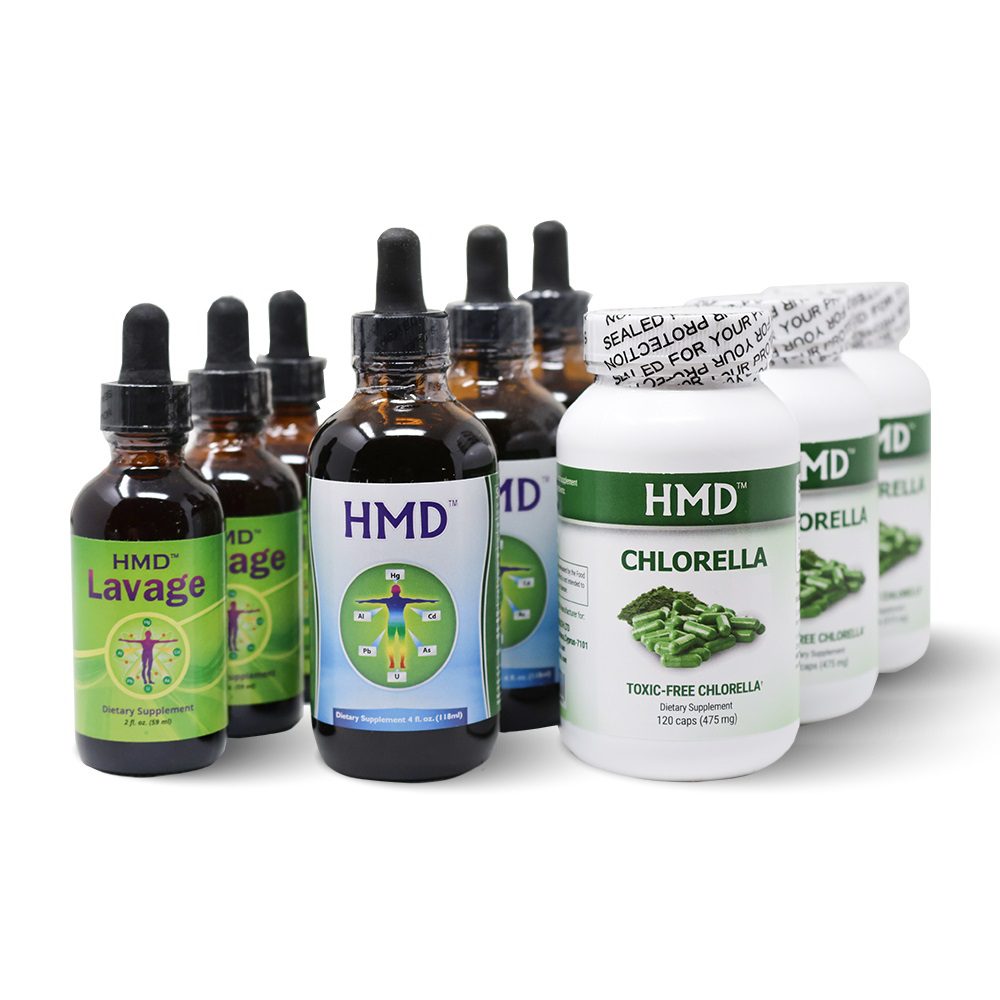
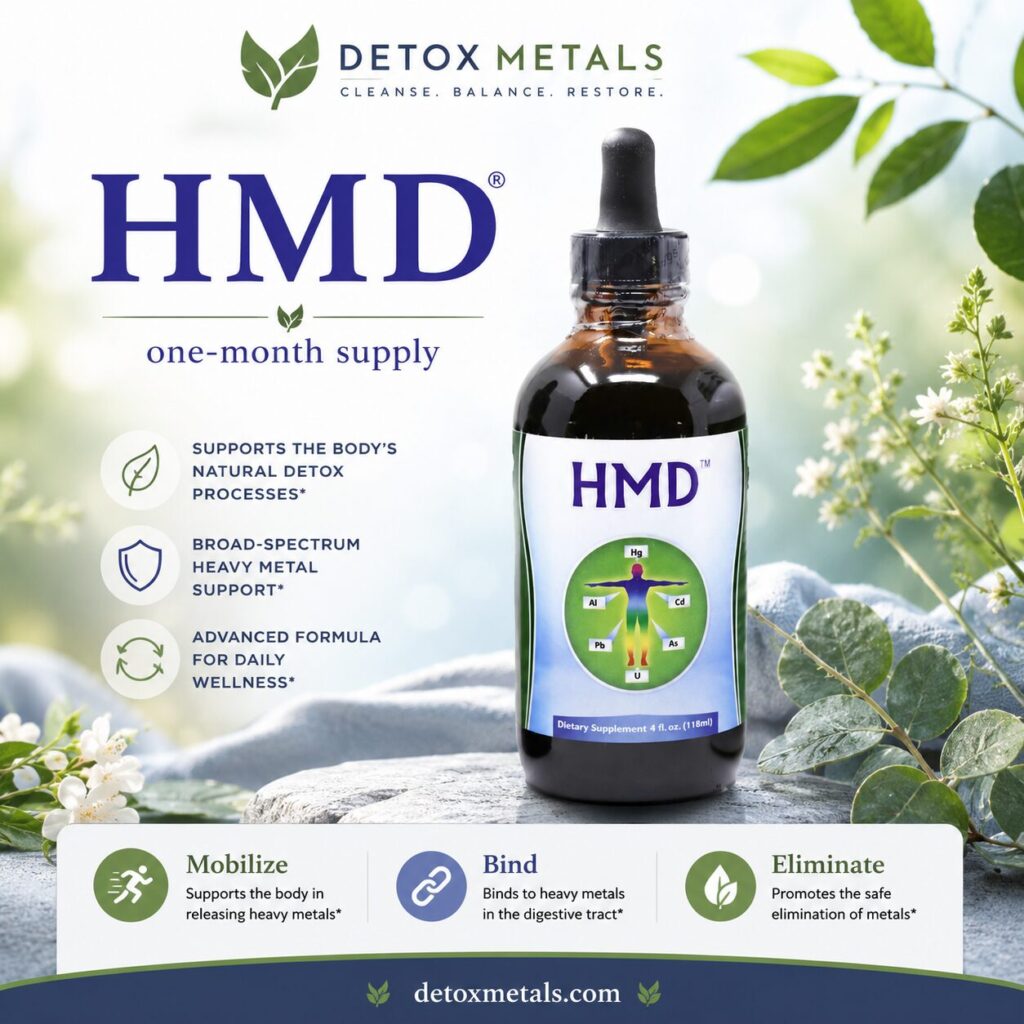
For people concerned about the heavy metal side of this “toxic duo,” Dr. Georgiou’s HMD Protocol offers a structured approach focused on mobilisation, binding and elimination. DetoxMetals describes this as a three-stage detox strategy: supporting the release of stored toxins from tissues, binding toxins to reduce reabsorption, and supporting the liver, kidneys and digestive system so the body can remove toxins more safely.
This matters because one of the biggest mistakes in detox is mobilising toxins without proper binding and elimination. Moving metals around is not the same as removing them.
DetoxMetals notes that chlorella and coriander have attracted attention for their potential role in supporting detoxification pathways, and the HMD formula includes ingredients such as chlorella growth factor, coriander extract and natural detox cofactors selected to support mobilisation, binding and elimination.
I think this is especially relevant in the age of microplastics. If plastics can carry heavy metals through water, food chains and biological systems, then a modern detox strategy should not focus on one organ or one toxin. It should support the body as a system: gut, liver, bile, kidneys, minerals, antioxidants and elimination pathways.
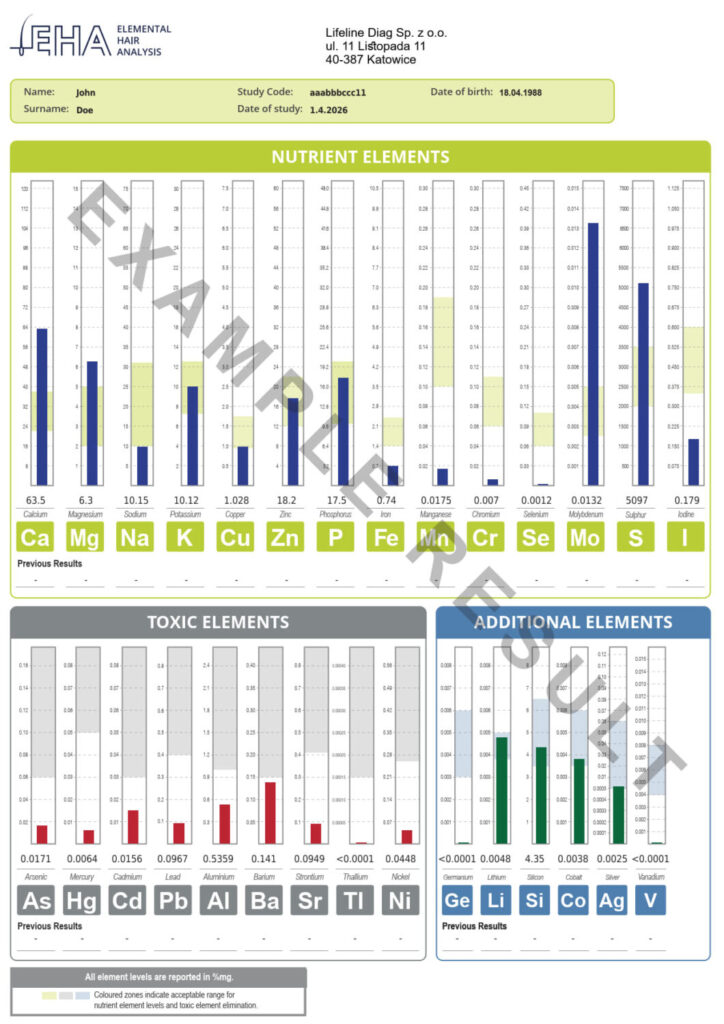
That is also why Dr. Georgiou’s HMD Protocol is best viewed as part of a broader lifestyle approach. It should sit alongside exposure reduction, clean water, a fibre-rich diet, regular bowel movements, mineral support, sweating where appropriate, and testing when needed.
Detox should never be about forcing the body. It should be about helping the body do what it is already designed to do — but in a more supported, less overloaded way.
Microplastics are not just an ocean problem. Heavy metals are not just an industrial problem. Together, they represent something much bigger: the reality of living in a chemically complicated world.
The good news is that we are not helpless.
We can choose better packaging. We can filter water. We can eat more whole foods. We can stop heating food in plastic. We can improve indoor air. We can support the gut. We can reduce heavy metal exposure. And when appropriate, we can use structured detox support such as Dr. Georgiou’s HMD Protocol to help address the heavy metal burden.
The science on microplastics is still developing, and we should be honest about that. But waiting for perfect certainty before taking simple protective steps does not make sense.
The modern detox conversation needs to evolve. It is no longer enough to ask, “Am I exposed to heavy metals?” We also need to ask, “What is carrying them? What is helping them move through the environment? And how can I reduce my total toxic load?”
Microplastics and heavy metals may be a toxic duo — but awareness, prevention and intelligent detox support give us a way forward.


Are Microplastics Carrying Heavy Metals Into Your Body? The Hidden Link Between Microplastics and Heavy Metals Microplastics are now found in food, water, air, and even human samples. But the

What’s Really Hiding in Your Protein Powder? Healthy Habit or Hidden Toxin Source? Protein powders are popular, convenient and often marketed as healthy — but some may contain unwanted heavy
PODCAST: Nano-Aluminium and Alzheimer’s Disease Nano-Aluminium and Alzheimer’s Disease What the Science Actually Suggests Aluminium is not usually the first metal people think about when they hear the word “neurotoxicity.”