Home » Health Articles » 20 Everyday Places Toxic Metals Can Hide
Most people think of heavy metal exposure as something that happens in factories, mines, laboratories, or polluted industrial areas. That is certainly one side of the story. But the more uncomfortable truth is that many everyday exposures happen much closer to home.
I am not saying this to make people paranoid. I am saying it because awareness changes behaviour. Once you know where toxic metals may hide, you can make better choices — often simple ones — that reduce your daily toxic load.
Heavy metals such as lead, mercury, cadmium, arsenic, and aluminium can enter the body through food, water, air, dust, skin contact, and household products. The FDA continues to monitor arsenic, lead, cadmium, and mercury in the food supply because these contaminants are still relevant to public health.
The issue is not usually one single massive exposure. For many people, the problem is the slow drip: a little from food, a little from water, a little from dust, a little from old paint, a little from consumer products, and a little from the wider environment. Over time, the body has to process and eliminate that burden.
So let us walk through a practical heavy metal home audit — 20 everyday places where toxic metals can hide.
If your home was built before modern lead-paint restrictions, old paint is one of the first places to consider. Lead-based paint becomes especially risky when it chips, peels, flakes, or turns into dust during sanding and renovation.
The danger is not only children chewing paint chips, although that can happen. The bigger day-to-day issue is often lead-contaminated dust settling on floors, windowsills, toys, and hands. The EPA warns that lead from paint, dust, and soil in and around homes can be dangerous if not properly managed.
If you are renovating an older property, do not dry-sand old paint without testing it first. This is one of the easiest ways to turn a hidden problem into an airborne exposure.
Dust is not just “dirt.” It can be a mixture of outdoor soil, indoor fibres, skin cells, combustion particles, old paint particles, pesticide residues, and metals.
Lead dust is one of the classic examples. Children are particularly vulnerable because they play close to the floor and put their hands in their mouths. The CDC lists paint, water, soil, imported items, industrial sources, and take-home exposure from jobs and hobbies as lead exposure risks for children.
A simple habit helps: damp-dust surfaces, wet-mop hard floors, use a HEPA vacuum where possible, and remove shoes at the door.
Lead in drinking water usually does not come from the water source itself. It often comes from plumbing: old lead service lines, lead solder, brass fixtures, or corrosion inside pipes.
The EPA notes that lead pipes are more likely to be found in older cities and homes built before 1986, and that even homes without lead service lines may have issues from brass or chrome-plated brass faucets and plumbing with lead solder.
A water filter certified for lead reduction can be a practical step, but testing is the best way to know what is actually in your water.
Soil near old homes, busy roads, industrial areas, or former painted structures can contain lead. This matters if children play outside, if pets track soil indoors, or if you grow vegetables in contaminated ground.
Bare soil near the foundations of older homes can be particularly suspicious because old exterior paint may have flaked into the soil for decades.
Practical steps include using raised beds with clean soil, covering bare soil with mulch or grass, and washing garden produce well.
Renovation is one of the biggest hidden exposure moments. You may live in a house for years without much trouble, then suddenly create a toxic dust cloud by sanding, drilling, scraping, or demolishing old materials.
This is especially relevant for old paint, old pipes, old tiles, and old industrial-style buildings converted into flats.
Before renovation, test suspicious materials. During renovation, seal work areas, use proper extraction, and avoid spreading dust through the rest of the house.
Some ceramic glazes may contain lead or cadmium, especially in older, handmade, imported, or decorative pieces. The issue becomes more important when acidic foods or drinks are stored in them, such as tomato sauce, vinegar, lemon juice, wine, or fermented foods.
A decorative bowl may be beautiful, but that does not mean it should be used for food.
As a rule, avoid using unlabelled decorative ceramics for cooking, storing, or serving acidic foods.
Traditional lead crystal can contain lead. The risk is higher when alcohol, acidic drinks, or spirits are stored in lead crystal decanters for long periods.
An occasional drink from a crystal glass may not be the main problem for most people. But storing whisky, brandy, wine, or liqueurs in lead crystal for weeks or months is a different matter.
Use lead-free glass for storage.
Low-cost jewellery, especially imported costume jewellery, can contain lead or cadmium. This is particularly concerning for children because they may suck or chew on jewellery.
The CDC warns that some imported toys, antique toys, and toy jewellery may contain lead. (CDC)
If jewellery has a strange metallic smell, flakes easily, looks cheaply plated, or is intended for a child, be cautious.
Old painted toys, antique furniture, collectible items, and imported toys can contain lead-based paint or metal parts with heavy metals. The fact that something is “vintage” does not mean it is safe.
This matters especially for nurseries, playrooms, and grandparents’ houses where older toys may still be around.
If in doubt, keep antique painted objects as display items, not play items.
Some cosmetics, especially certain imported traditional products such as kohl, kajal, surma, or ceremonial powders, have been associated with lead contamination in public health warnings.
This is a daily-life exposure people often miss because cosmetics are applied directly to the skin, lips, or eyes.
Choose reputable brands, avoid unlabelled imported cosmetics, and be especially careful with products used on children.
Natural does not always mean clean. Some traditional remedies imported herbal products, mineral preparations, and supplements can contain lead, mercury, arsenic, or other metals, either from contamination or intentional mineral ingredients.
This is not an argument against herbal medicine. It is an argument for quality control.
Use products from companies that test for heavy metals and can provide certificates of analysis.
Spices can be contaminated through soil, drying, processing, storage, or adulteration. Lead contamination has been reported in certain spices, particularly where colour-enhancing adulterants are used.
Turmeric, chilli powder, paprika, and cinnamon are examples people often discuss because they are used frequently and in small amounts over time.
Buy spices from reputable suppliers and avoid suspiciously bright, unlabelled, or very cheap products.
Rice can absorb arsenic from soil and water more readily than many other grains. This is especially relevant for people who eat rice daily or rely heavily on rice cakes, rice cereals, rice milk, or rice-based gluten-free foods.
The FDA advises variety in the diet because nutritious foods can still contain environmental contaminants, and dietary variety can reduce exposure to any one contaminant from a specific food.
Practical steps include varying grains, rinsing rice, and cooking it in extra water that is drained afterward.
Fish is nutritious, but some fish contain more mercury than others. Large predatory fish tend to accumulate more mercury because they eat smaller fish over time.
The FDA recommends seafood as part of a healthy diet, but advises choosing lower-mercury fish, especially for pregnancy, breastfeeding, and children.
The EPA also advises eating mainly fish low in mercury and limiting fish types that usually have higher mercury levels.
Good choices often include sardines, salmon, anchovies, trout, and herring. Higher-mercury fish include shark, swordfish, king mackerel, bigeye tuna, and some large predatory species.
This one surprises many health-conscious people. Dark chocolate can be a source of cadmium and lead, depending on where the cacao was grown and how it was processed.
That does not mean everyone must avoid chocolate forever. It means moderation and brand quality matter.
If someone eats dark chocolate every day as a “health food,” it may be worth rotating with other treats and choosing brands that publish heavy metal testing.
Protein powders can concentrate contaminants from plant or animal sources, including heavy metals. This is especially relevant for people taking one or two scoops every day for years.
Plant-based powders may be more vulnerable depending on soil quality and raw materials, though any category can vary.
Look for third-party testing and avoid assuming that “organic” automatically means low in heavy metals.
Certain cookware can contribute to metal exposure depending on material quality, age, coating damage, and what is being cooked.
Poor-quality aluminium cookware, damaged non-stick pans, old enamelware, and unregulated imported cookware deserve caution. Acidic foods can increase leaching from some materials.
Stainless steel, cast iron, glass, and properly manufactured ceramic cookware are generally better options, though even these should be chosen carefully.
Modern food packaging is better regulated than in the past, but packaging can still be part of the wider exposure story. Older cans, imported cans, soldered seams, and certain food-contact materials may raise questions.
Acidic canned foods, such as tomatoes, are more reactive with packaging materials.
Fresh, frozen, or glass-packed foods can reduce reliance on cans if someone is trying to lower exposure.
Hobbies can be major hidden sources of heavy metals.
Examples include:
stained glass work using lead came or solder; shooting ranges and ammunition; fishing sinkers; ceramic glazing; jewellery making; model painting; electronics soldering; and restoration of old furniture or vehicles.
These exposures matter because they happen repeatedly and often without workplace-level protection.
Use ventilation, gloves, dedicated clothing, and careful cleanup. Do not bring hobby dust into living areas.
Some people bring metals home without realizing it. Jobs involving construction, plumbing, welding, battery work, auto repair, painting, ammunition, recycling, demolition, ceramics, and industrial work can carry lead, cadmium, mercury, or other metals on clothes, boots, hair, and tools.
The CDC notes that children may be exposed through parents and caregivers from certain jobs and hobbies.
A simple rule: change clothes and shoes before entering living spaces, wash work clothes separately, and avoid bringing contaminated tools into the home.
The goal is not to panic and throw everything away. The goal is to reduce the biggest and most repeated exposures first.
Start with these five steps:
Small changes add up. Heavy metal exposure is often cumulative, so reducing daily inputs can make a real difference over time.
Avoiding exposure is always step one. But for many people, avoidance alone is not the full answer, especially if they have already accumulated years of exposure from food, water, dental materials, old paint, occupational contact, pollution, or household sources.
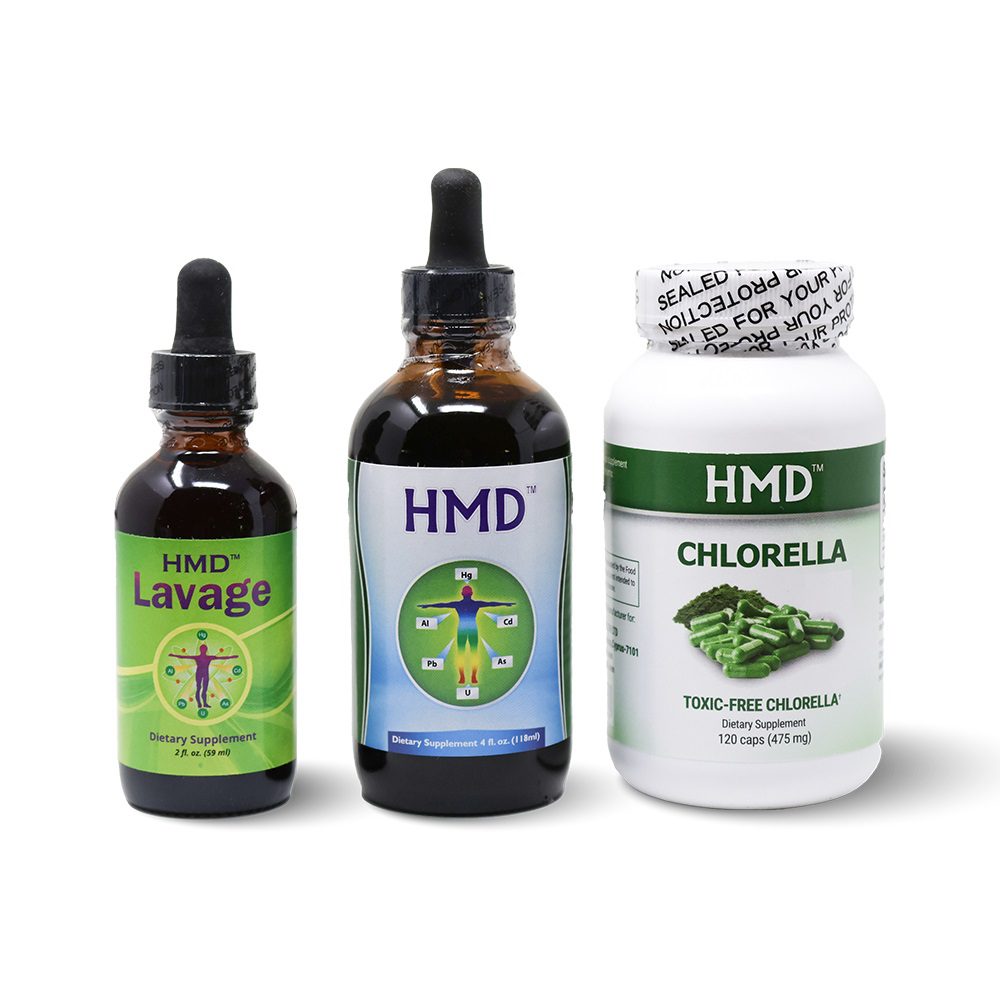
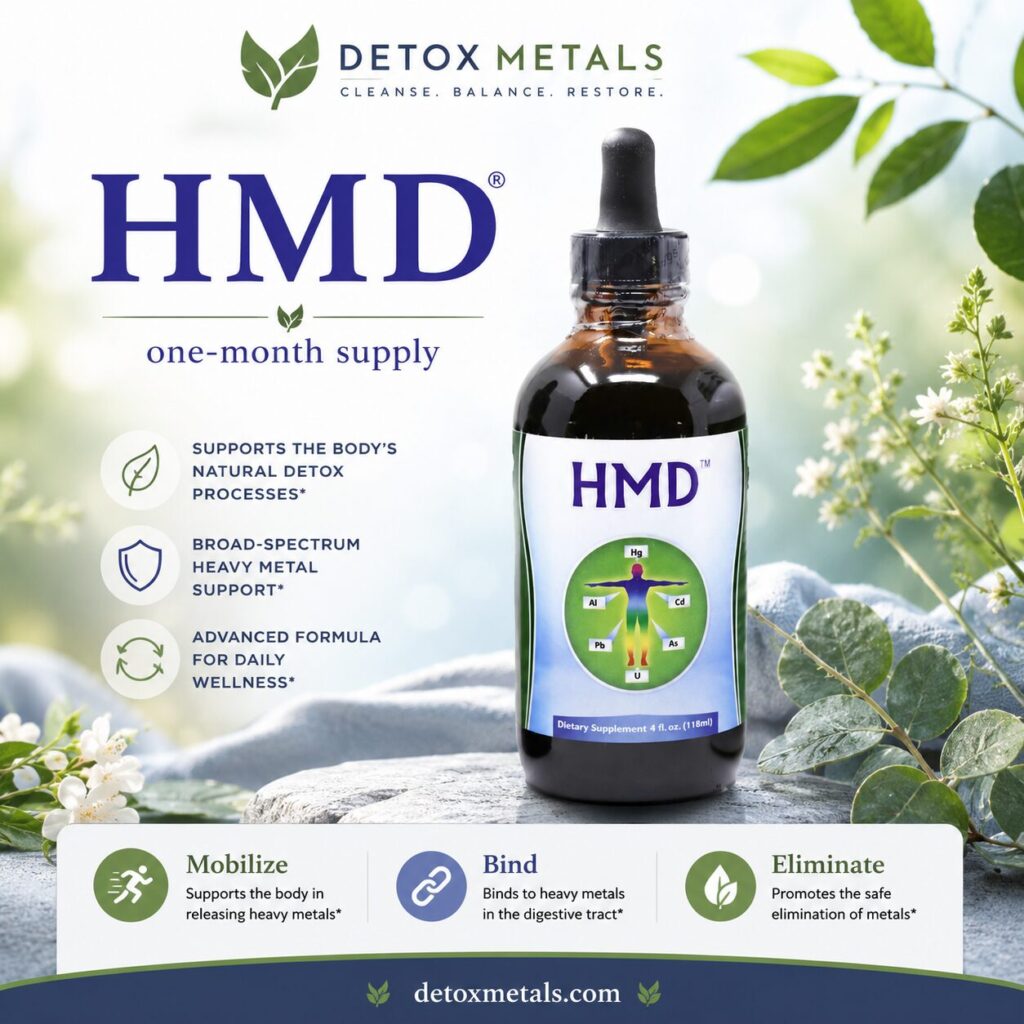
This is where the HMD® Heavy Metal Detox Protocol, developed by Dr. George Georgiou, can be a useful part of a broader detoxification strategy.
The HMD® protocol was designed to support the body’s natural ability to bind and eliminate toxic metals using a specific botanical and nutritional approach. Rather than relying on aggressive detox methods, the protocol is intended to work gently and systematically, supporting the body as it deals with toxic metal burden.
For many people, the best approach is not extreme detoxing. It is a sensible combination of:
reducing new exposure, supporting normal elimination through the gut, liver, kidneys, and lymphatic system, maintaining mineral balance, and using a targeted heavy metal detox protocol such as HMD®.
In other words, your home audit helps you stop the daily drip. The HMD® protocol may help support the body in dealing with what has already accumulated.
Heavy metal detoxification is not about fear. It is about taking back control of the environment around you and giving the body the support it needs to do what it was designed to do: protect, repair, and restore balance.
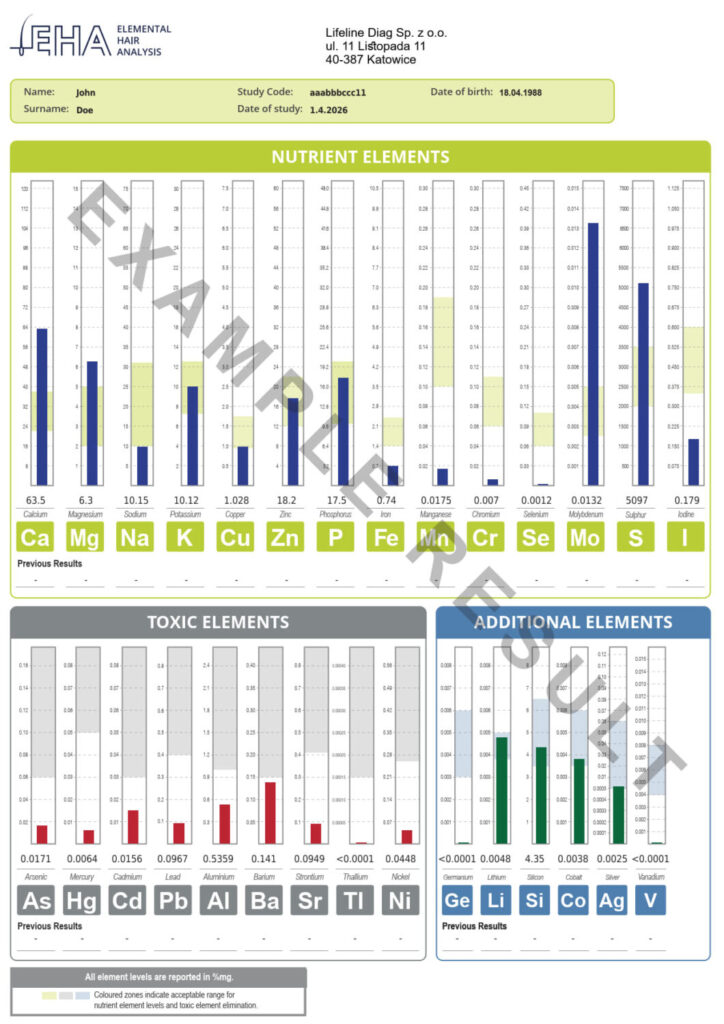
Before you detox, test first. Discover your toxic metal burden and mineral balance with the HMD® Hair Mineral Analysis & Toxic Metals Test.
(3 customer reviews)
125.00 €
Processed by a certified laboratory using ICP-OES Spectrometry
Already have your lab results? Skip to Step 2 and choose your clinical HMD® Protocol below.
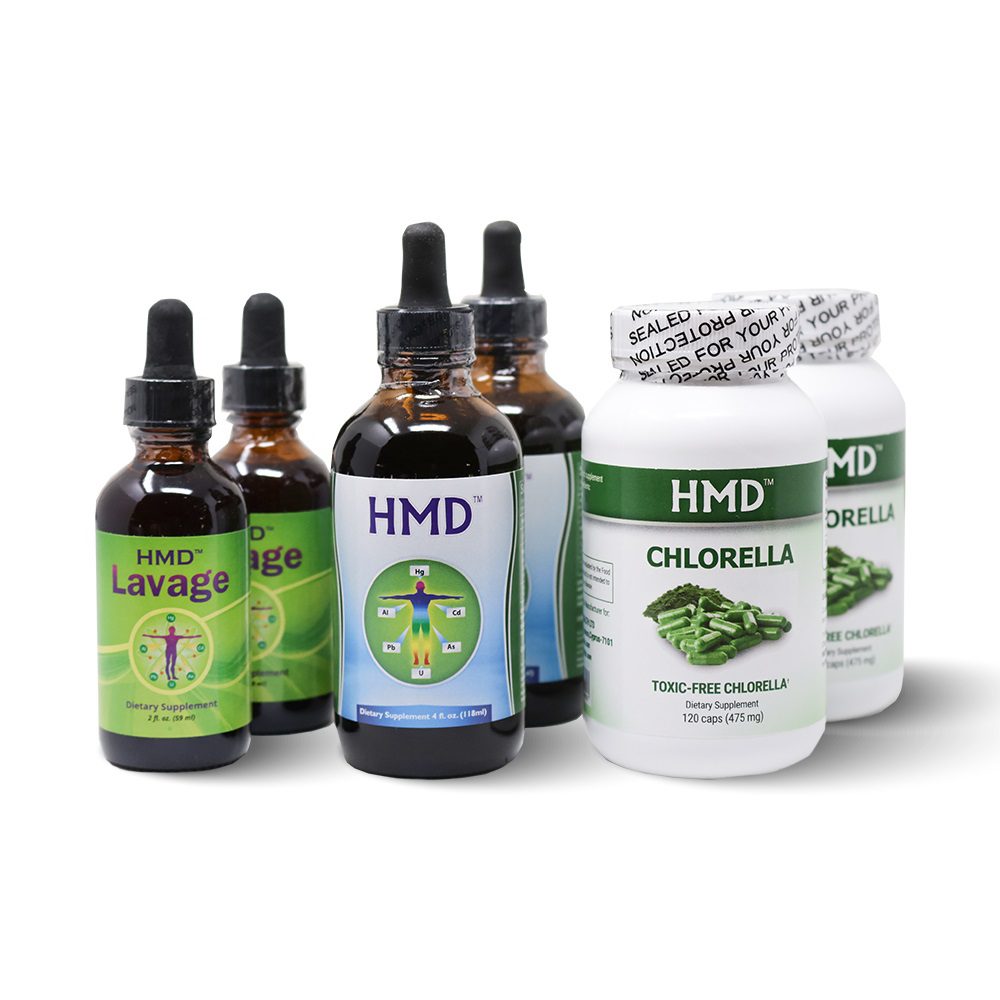
More prolonged to remove deeper toxins
$285 $213.75
(Save 35%)
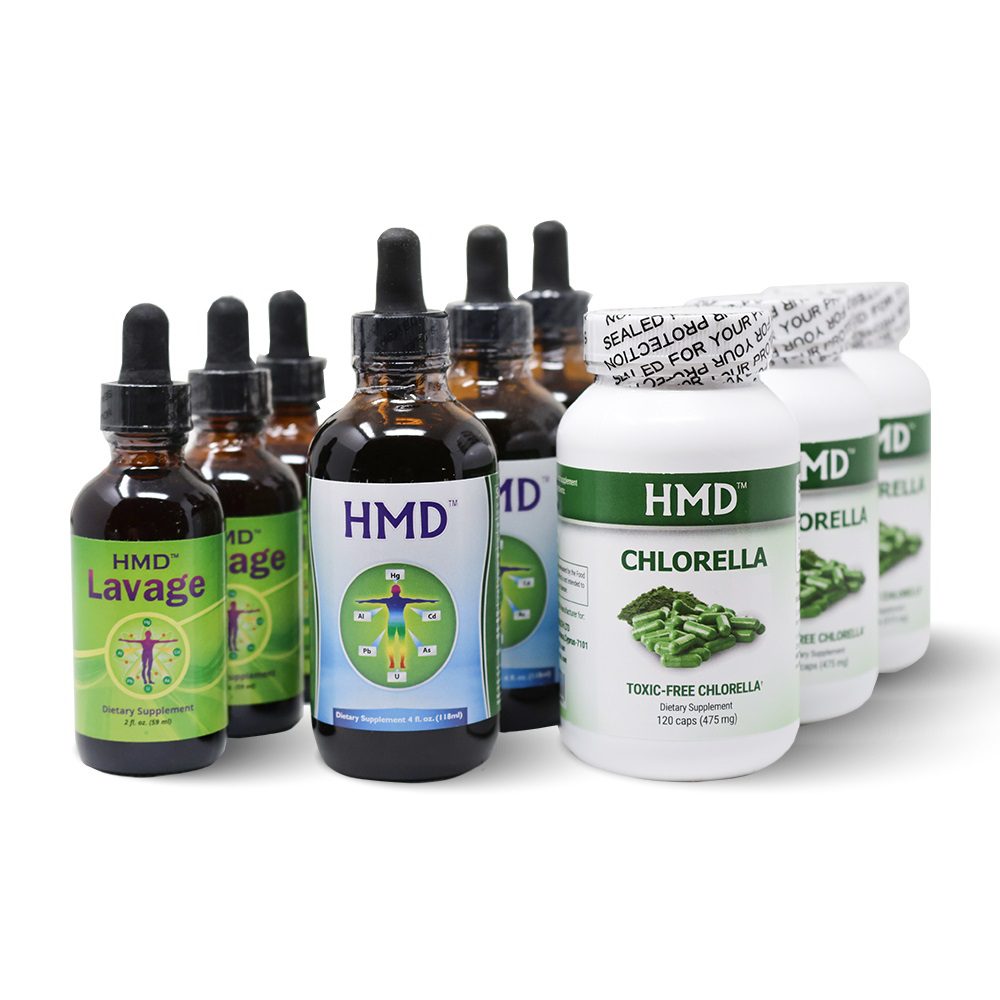
This 90-Day detox will help to eliminate a considerable load from the body.
$427 $256.20
(Save 45%)
Many people continue for 60 or 90 days depending on symptom history and exposure levels.





Alkaline Detox Diet best body detox best detox kit best detox supplements best full body detox best heavy metal detox best heavy metal detox for adults best herbal detox best metal detox best thc detox kit body cleanse supplements body detoxification supplements children and heavy metals chlorella detox Copper Toxicity in Drinking Water detox kit detox pack detox supplements detox tablets early symptoms of heavy metal toxicity full body detox kit hair mineral analysis heavy metal detox Heavy Metal Detox Benefits Heavy Metal Detox Diet heavy metal detox kit heavy metals detox Heavy Metals Drinks heavy metals in food heavy metals thyroid HMD Heavy Metal Detox HMD Ultimate Detox Pack Mercury Detox mercury thyroid effects Natural Heavy Metal Detox natural supplement for aluminum ORGANIC CHLORELLA pure body detox pure body extra detox Sources of Copper Exposure thyroid dysfunction causes toxic metal detox toxic metals in food ultimate detox What is a Homaccord


PODCAST: HEAVY METALS IN BABY FOODS Heavy Metals in Baby Foods Why Parents Are Asking Better Questions Why This Conversation Matters There are few things more personal than feeding

PODCAST: HEAVY METALS IN A MODERN LIFESTYLE Heavy Metals in a Modern Lifestyle The New Detox Problem How everyday food, air, water, products and technology may be adding to our

PODCAST: Wildfire Smoke, Toxic Ash, and Heavy Metals in Our Air Wildfire Smoke, Toxic Ash and Heavy Metals The Hidden Side of Air Pollution Wildfire smoke is no longer