

Lead Toxicity
Lead Contamination in Everyday Foods
Why This Keeps Happening And What Families Can Do About It Lead in food sounds like something from another era, but it’s…
9 articles
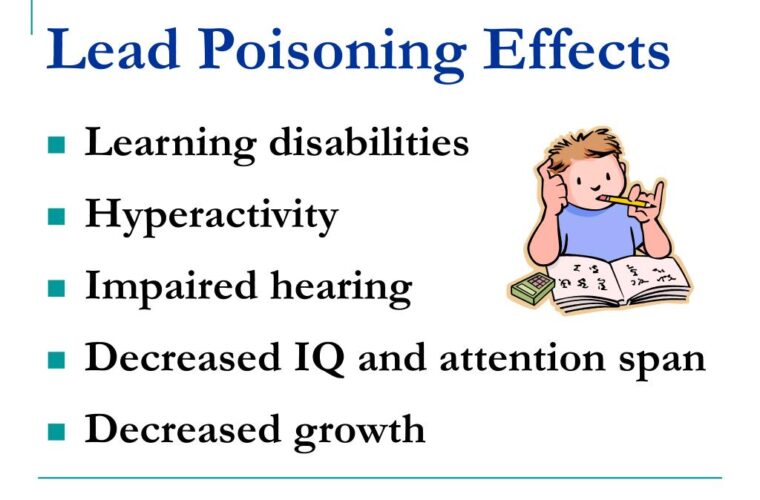
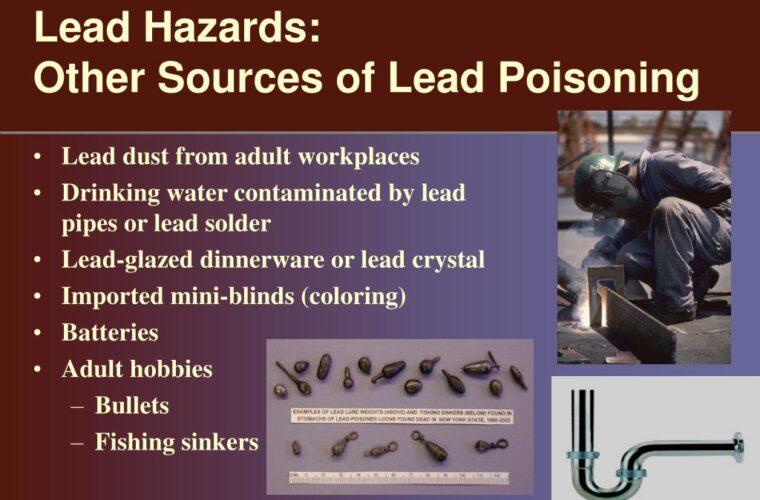
Lead is one of the most extensively studied toxic heavy metals, yet exposure remains a significant environmental and public health concern worldwide. Found in older paints, contaminated drinking water, household dust, soil, certain traditional remedies and industrial environments, lead can enter the body through ingestion or inhalation. Once absorbed, it can affect multiple organs and biological systems, particularly the brain, nervous system, kidneys and cardiovascular system. Children and pregnant women are especially vulnerable, and no safe level of lead exposure in children has been established.
In this section, we explore the major sources of lead exposure, how lead accumulates in bones and other tissues, and the cellular and metabolic pathways affected by lead toxicity. Discover the symptoms and long-term health consequences of exposure, the importance of appropriate blood lead testing, and practical, science-based strategies to identify risks, reduce exposure and protect your family's health.
Why This Keeps Happening And What Families Can Do About It Lead in food sounds like something from another era, but it’s…
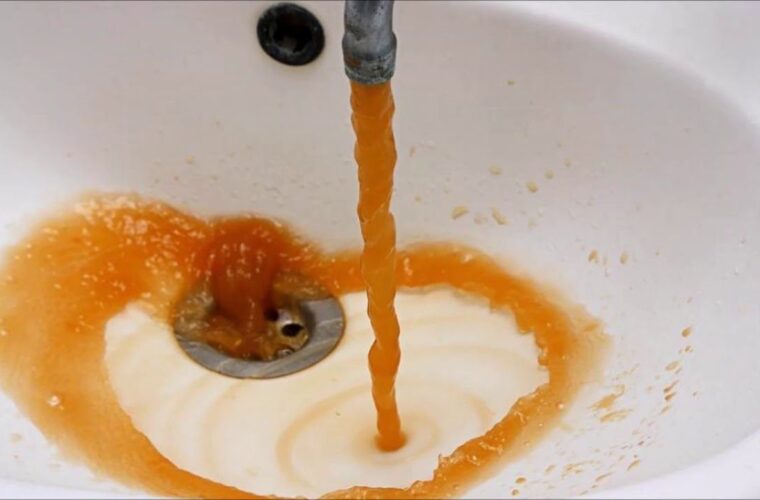
Lead poisoning in water is a significant public health concern that can have far-reaching effects on health and well-being. Despite modern awareness…
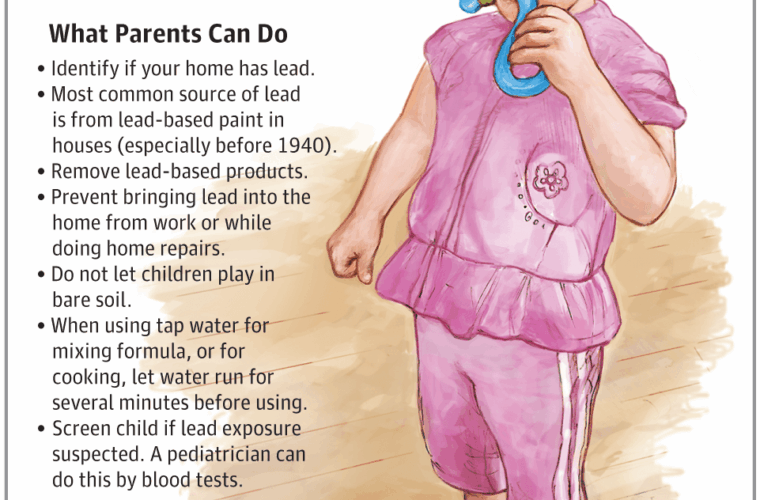
Understanding Lead Exposure Risks Before diving into prevention tips, it's important to understand where lead risks may exist. Older homes built before…
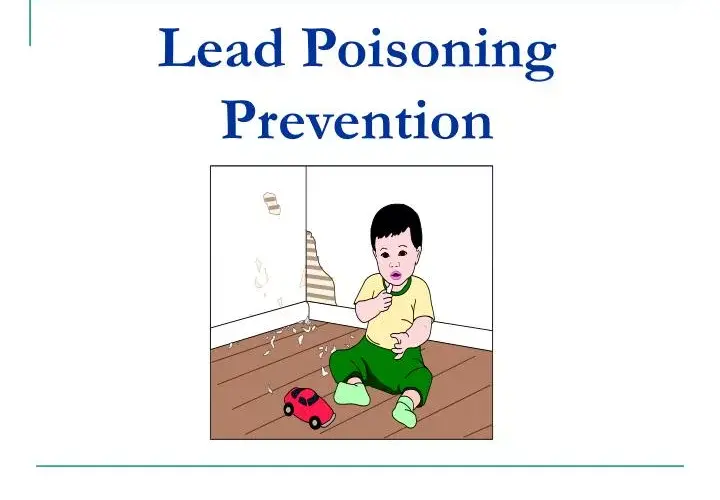
Lead poisoning remains a critical health concern globally, affecting people of all ages, particularly children. Though often silent and unnoticed at first,…
Lead poisoning is a sneaky health threat that often goes unnoticed until it causes significant harm. Understanding where lead comes from and…
Renovating your home is an exciting project, but if it was built before 1978, there's a good chance it contains lead-based paint.…
Safeguarding Our Young Ones Introduction The safety and well-being of our children are paramount, and one of the often-overlooked hazards that can…
Lead poisoning is a serious public health concern that can have severe and lasting effects on individuals, especially children. In this article,…
Between 2008 and 2017, the New York City Department of Health and Mental Hygiene tested more than 3,000 samples of consumer products…
Showing 9 of 9 articles